




![Fino Premium Touch Rich Serum Hair Mask – Deep Repair & Silky Smooth Hair 230g [With alcohol]](http://wabisabi-store.jp/cdn/shop/products/Fino-Premium-Touch-Rich-Serum-Hair-Mask-Deep-Repair-Silky-Smooth-Hair-230g-With-alcohol.jpg?v=1792868915&width=500)
![Fino Premium Touch Rich Serum Hair Mask – Deep Repair & Silky Smooth Hair 230g [With alcohol]](http://wabisabi-store.jp/cdn/shop/products/Fino-Premium-Touch-Rich-Serum-Hair-Mask-Deep-Repair-Silky-Smooth-Hair-230g-With-alcohol-2.jpg?v=1792868916&width=600)
![Shiseido KOTO Fancy Powder (Pressed) – Perfumed Powder for Luxurious Body Care 110g [Alcohol-free]](http://wabisabi-store.jp/cdn/shop/files/Shiseido-KOTO-Fancy-Powder-Pressed-Perfumed-Powder-for-Luxurious-Body-Care-110g-Alcohol-free.jpg?v=1792885827&width=500)
![Shiseido KOTO Fancy Powder (Pressed) – Perfumed Powder for Luxurious Body Care 110g [Alcohol-free]](http://wabisabi-store.jp/cdn/shop/files/Shiseido-KOTO-Fancy-Powder-Pressed-Perfumed-Powder-for-Luxurious-Body-Care-110g-Alcohol-free-2.jpg?v=1792885828&width=421)
![Pelican Soap - *Dermo Cosmetic* Soap with Shibu Kaki/Persimmons eliminating unpleasant odor and acne 80gx2 [Alcohol-free]](http://wabisabi-store.jp/cdn/shop/files/Pelican-Soap-Dermo-Cosmetic-Soap-with-Shibu-KakiPersimmons-eliminating-unpleasant-odor-and-acne-80gx2-Alcohol-free.jpg?v=1792872941&width=700)
![KOKURYU - *DERMO COSMETIC* Strongly moisturizing and rejuvenating cream 70g [Alcohol-free]](http://wabisabi-store.jp/cdn/shop/products/KOKURYU-DERMO-COSMETIC-Strongly-moisturizing-and-rejuvenating-cream-70g-Alcohol-free.webp?v=1792869233&width=700)
![KOKURYU - *DERMO COSMETIC* Strongly moisturizing and rejuvenating cream 70g [Alcohol-free]](http://wabisabi-store.jp/cdn/shop/products/KOKURYU-DERMO-COSMETIC-Strongly-moisturizing-and-rejuvenating-cream-70g-Alcohol-free-2.jpg?v=1792869234&width=700)

![BESTSELLER-SUHADA KINENBI - NEW VERSION! Nourishing powder-serum for night and day 10g [Alcohol-free]](http://wabisabi-store.jp/cdn/shop/files/BESTSELLER-SUHADA-KINENBI-NEW-VERSION-Nourishing-powder-serum-for-night-and-day-10g-Alcohol-free.jpg?v=1792869837&width=560)
![BESTSELLER-SUHADA KINENBI - NEW VERSION! Nourishing powder-serum for night and day 10g [Alcohol-free]](http://wabisabi-store.jp/cdn/shop/files/BESTSELLER-SUHADA-KINENBI-NEW-VERSION-Nourishing-powder-serum-for-night-and-day-10g-Alcohol-free-2.jpg?v=1792869838&width=700)

¿Qué es Randoseru?
La icónica mochila escolar de Japón explicada
Tabla de contenido
¿De dónde proviene la palabra “randoseru”?
De equipo militar a mochila escolar
¿Por qué los niños japoneses usan randoseru durante seis años?
¿Por qué son tan caros los randoseru?
¿Puede un randoseru ayudar a prevenir ahogamientos?
Un Randoseru Puede Proteger Más Que Tareas
¿Por qué algunos randoseru brillan en los faros de los coches?
¿Siempre fueron tan coloridos los randoseru?
¿De qué están hechos los randoseru?
Han evolucionado para llevar tabletas también
¿Qué pasa con un Randoseru después de la graduación?

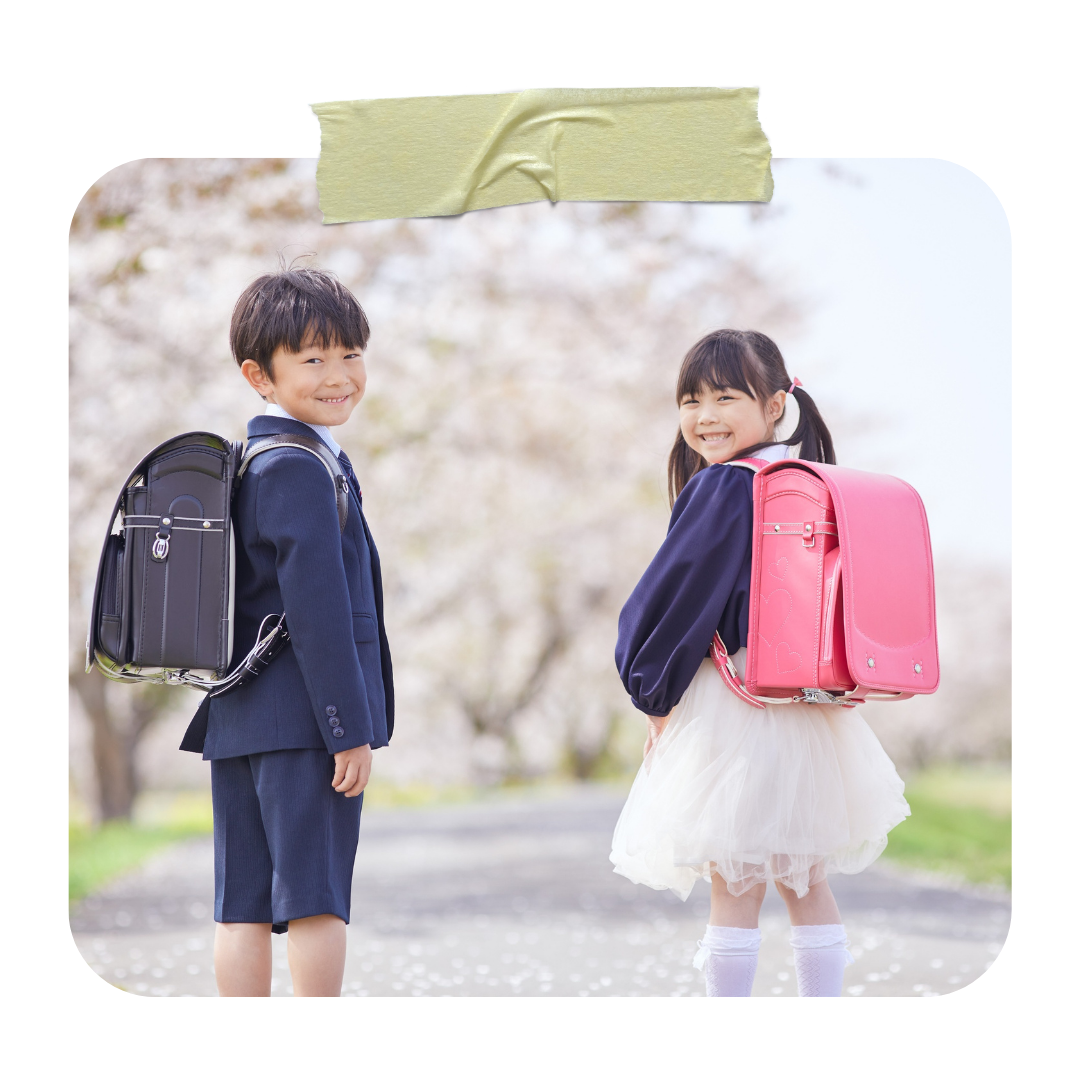
¿Qué es un randoseru?
Si alguna vez has estado en Japón alrededor de las 8 a.m., probablemente los has visto.
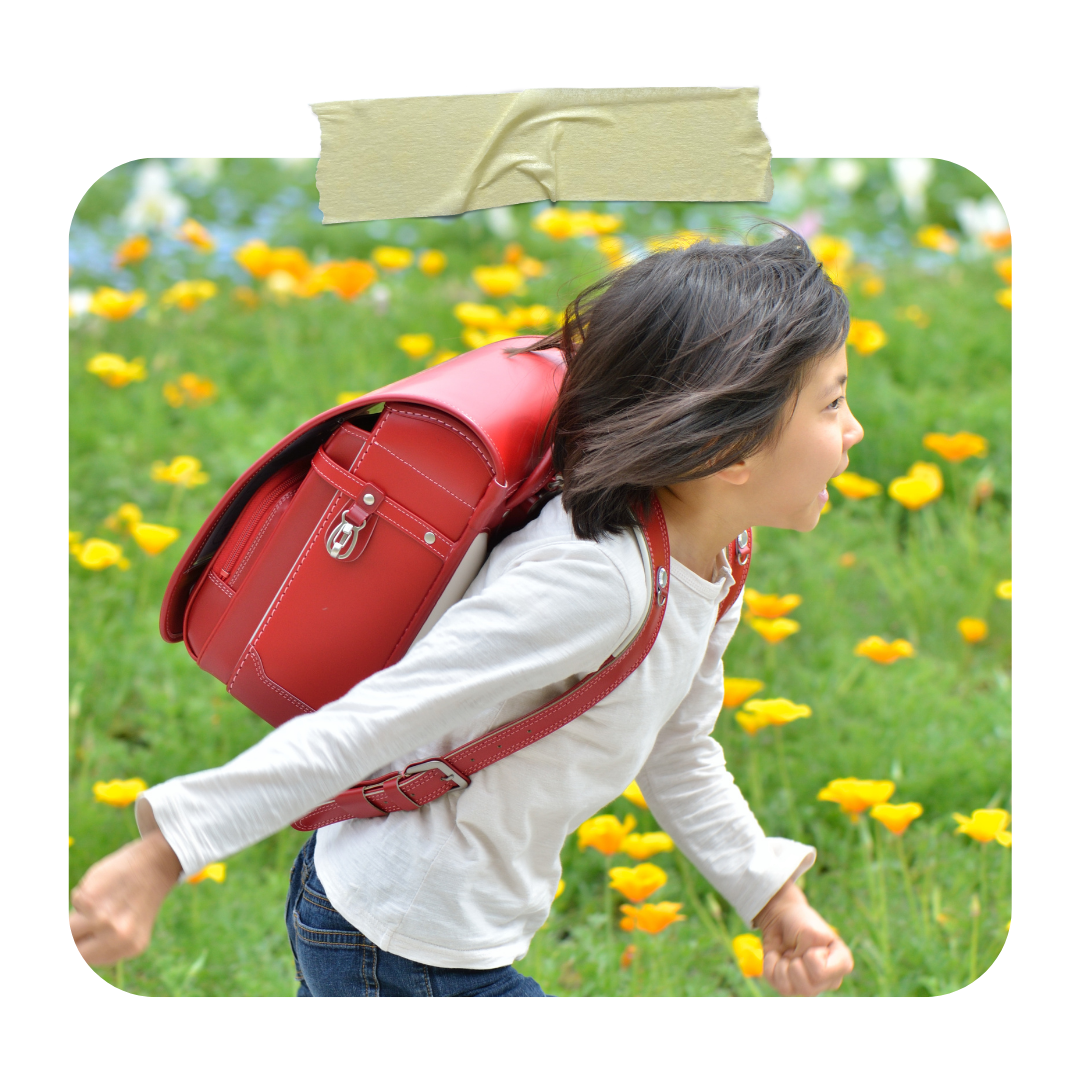
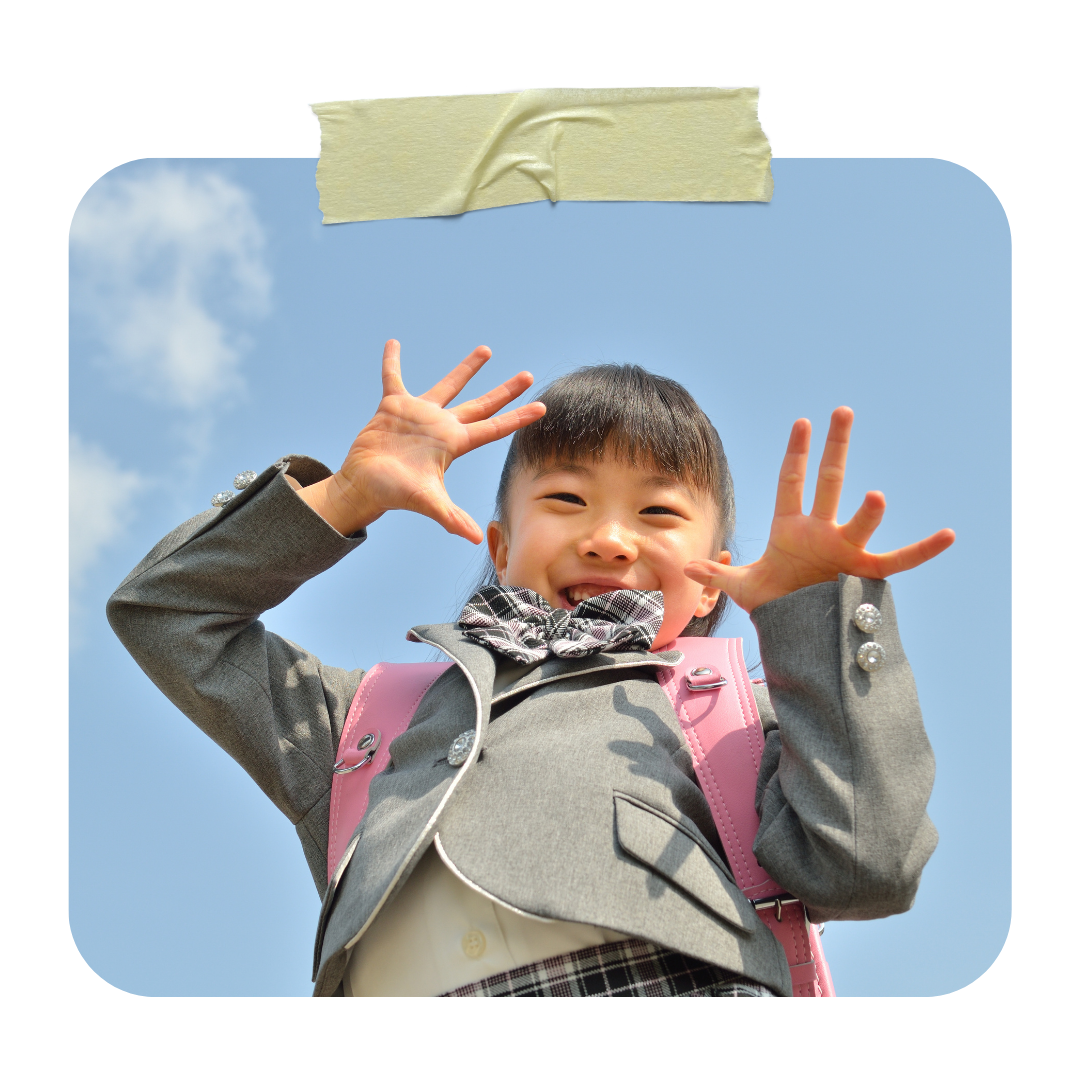
Grupos de niños de escuela primaria caminando hacia la escuela, a menudo sin sus padres, cada uno llevando una mochila estructurada, casi en forma de caja.
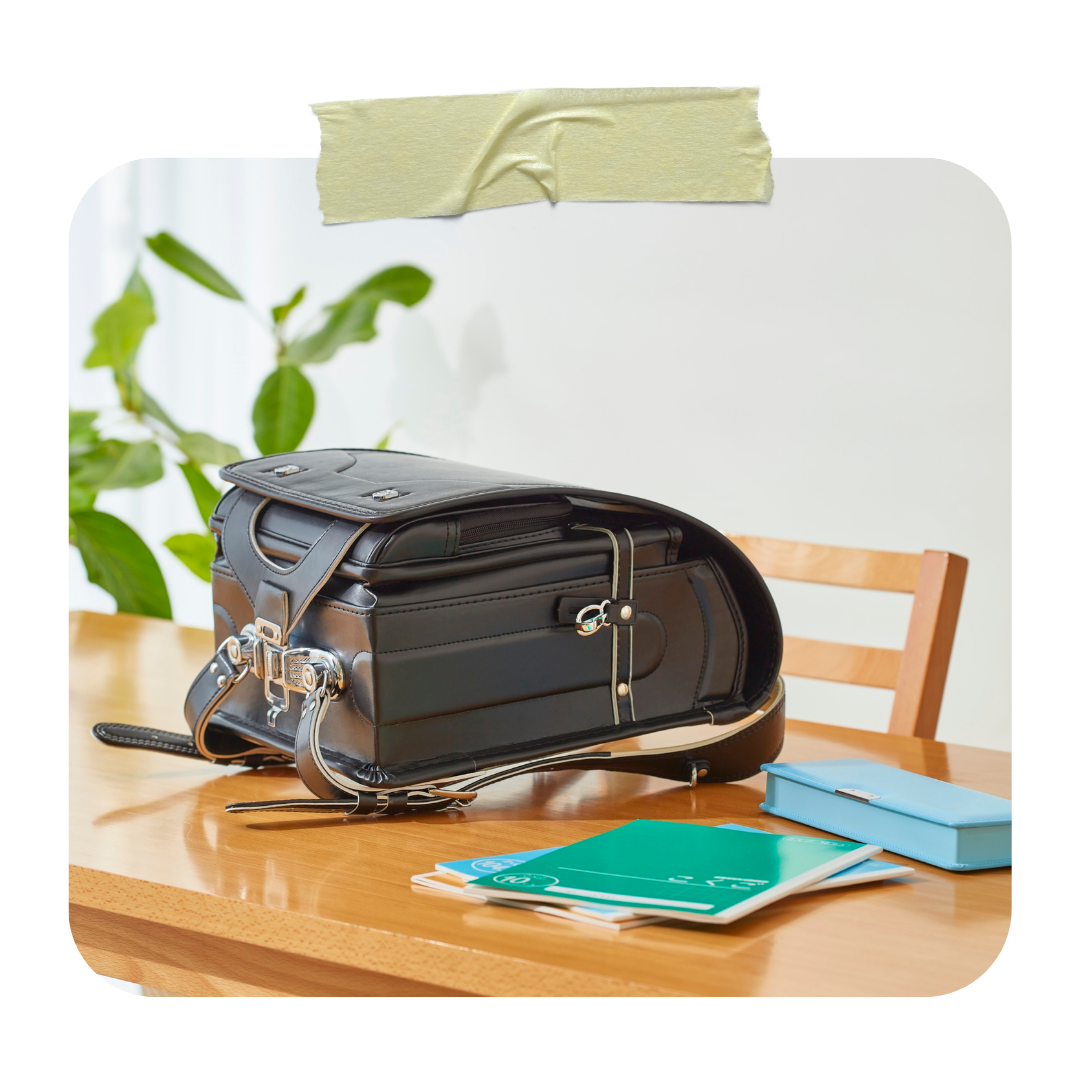
Esa mochila se llama randoseru (ランドセル).
A primera vista, puede parecer simplemente una mochila escolar inusualmente elegante. Pero un randoseru está diseñado para acompañar a un niño durante los seis años de la escuela primaria japonesa. Tiene que sobrevivir a la lluvia, trenes abarrotados, largas caminatas, libros de texto, tabletas, suministros de almuerzo y todo lo que la vida escolar primaria puede arrojarle.
Y los randoseru modernos pueden hacer mucho más que llevar libros.
Algunos tienen elementos reflectantes que se vuelven altamente visibles en los faros de los automóviles. Algunos incorporan ganchos de liberación rápida y lugares para alarmas personales. Su construcción rígida puede ofrecer un grado de protección durante una caída.
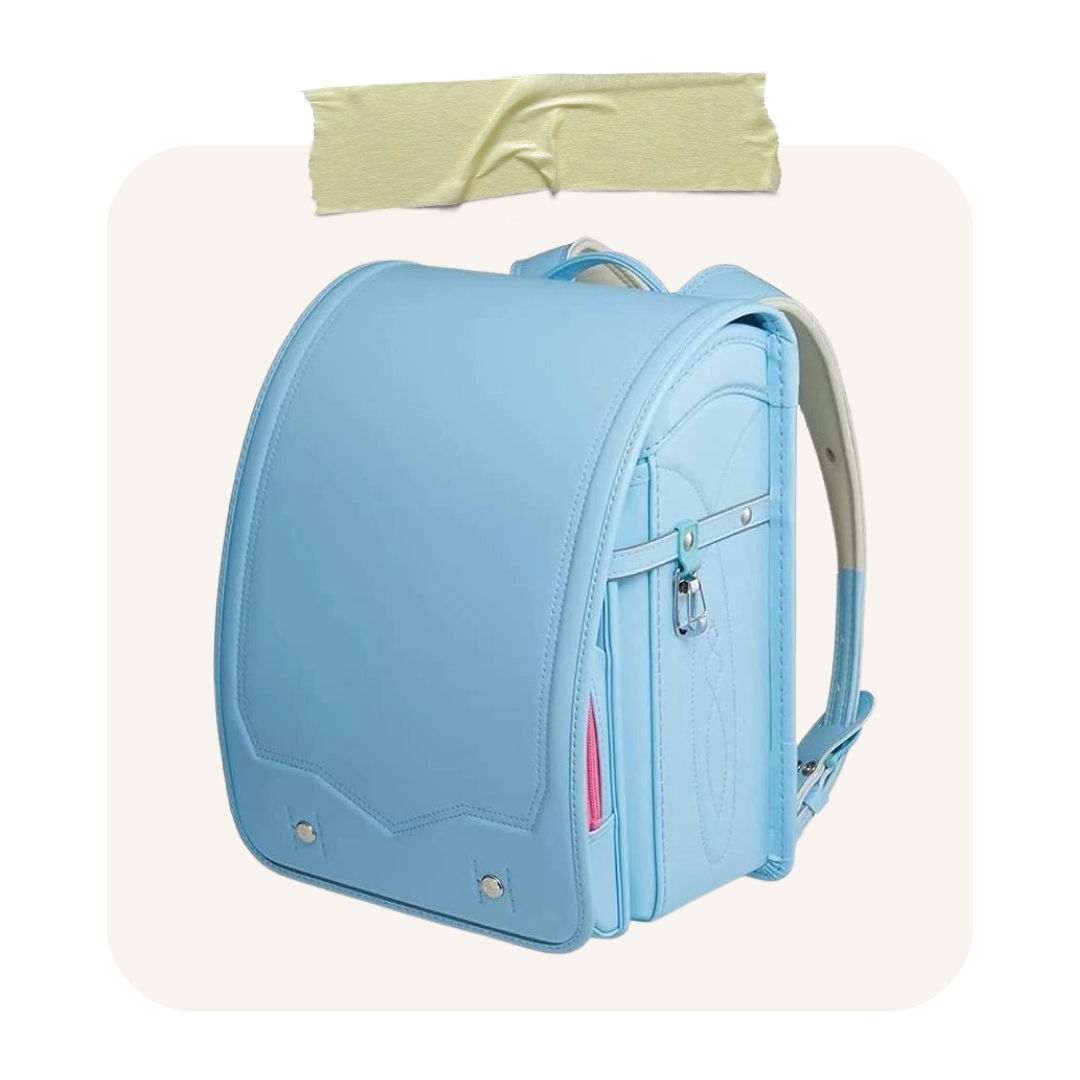
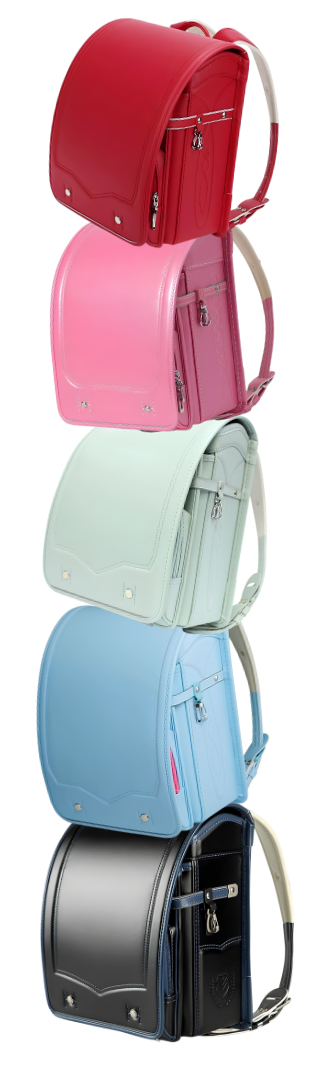
Randoseru azul
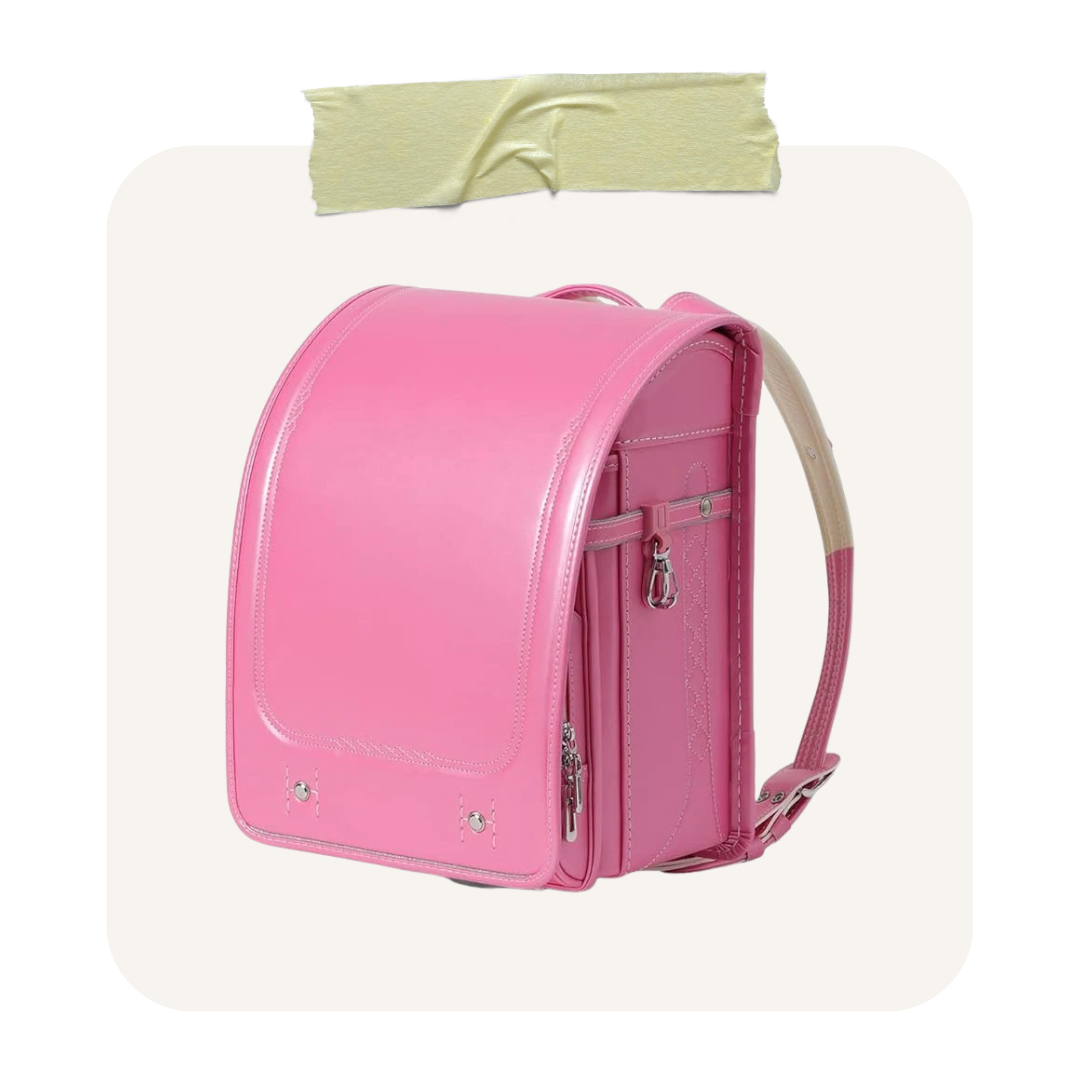
Randoseru rosa
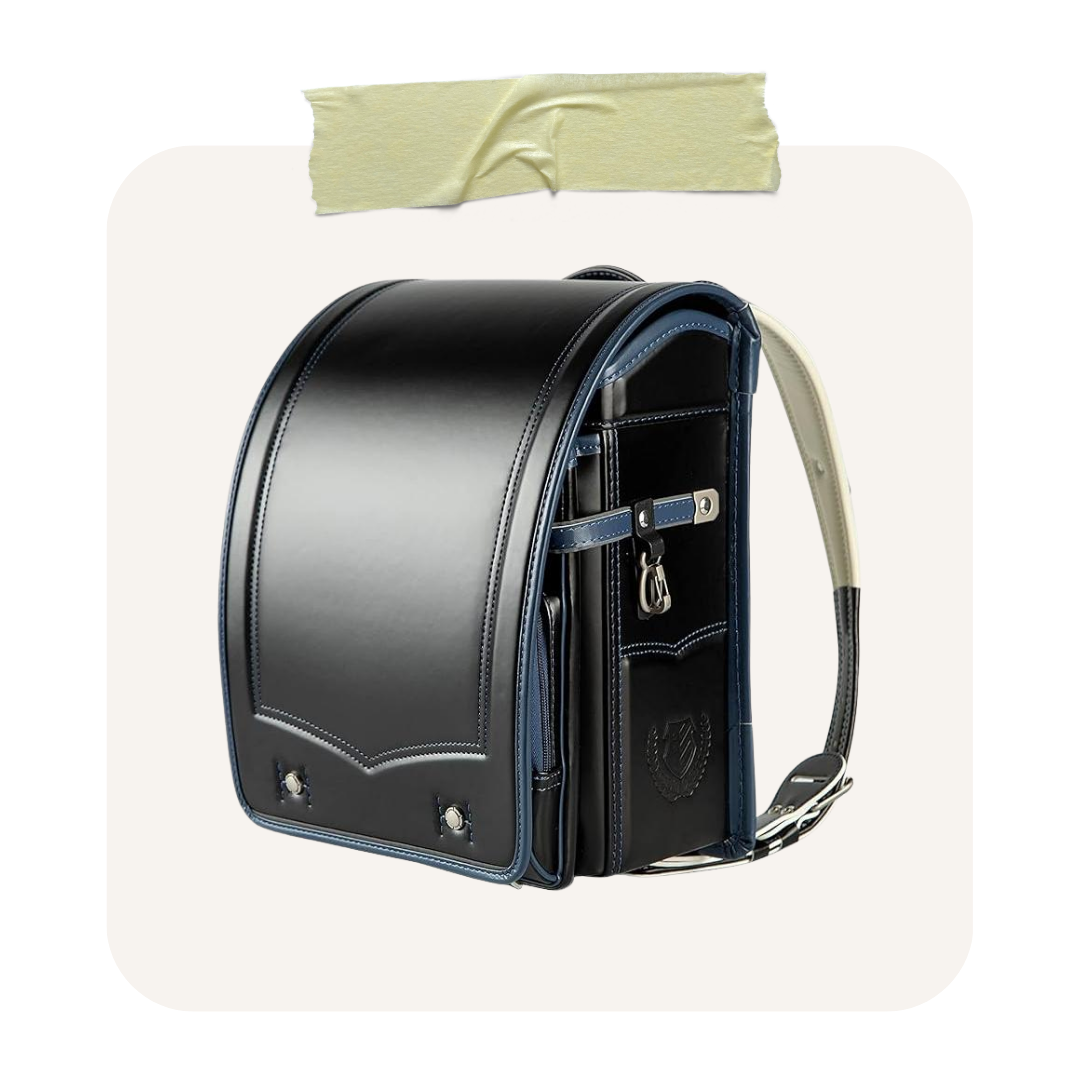
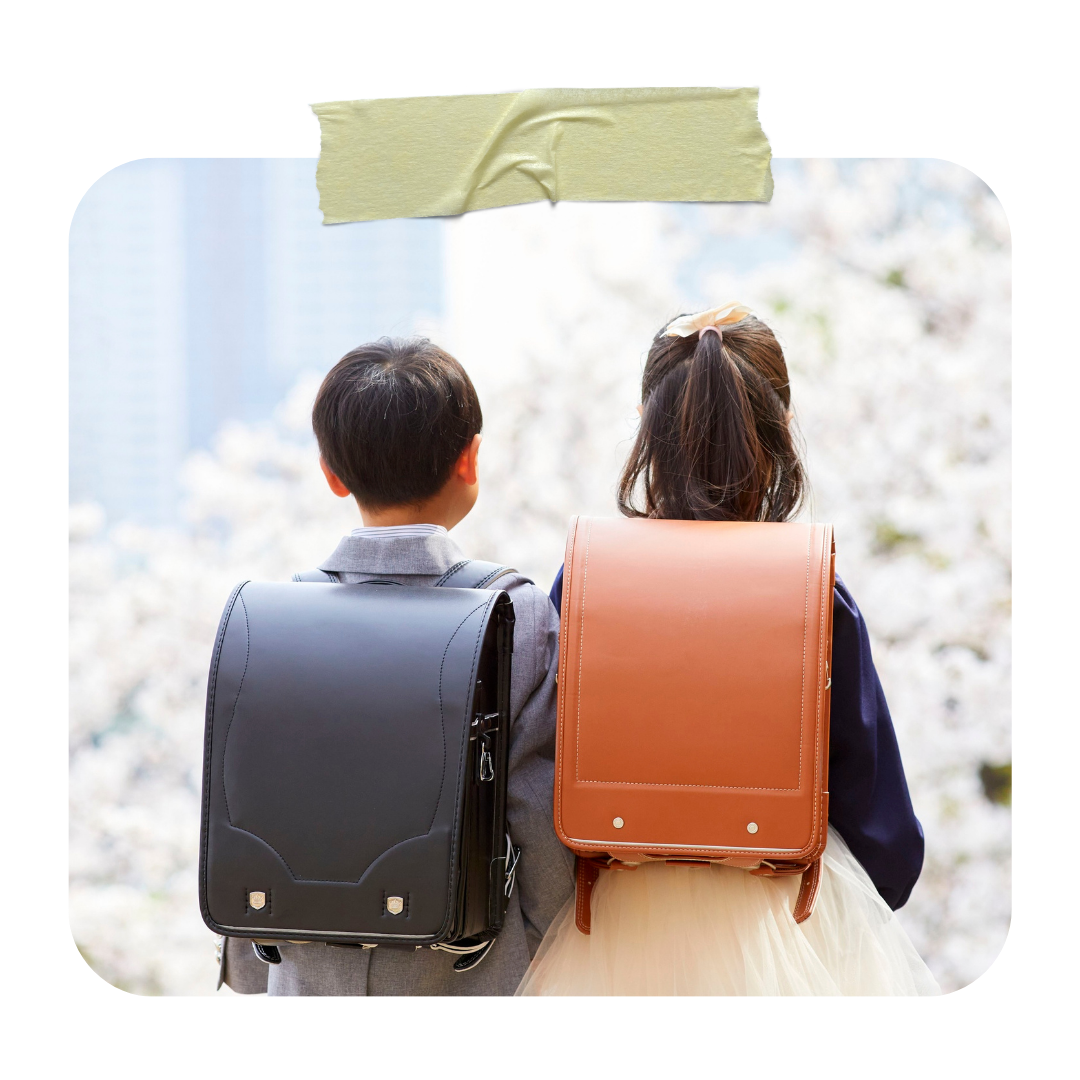
Randoseru negro
Randoseru a simple vista
Un randoseru es una mochila estructurada utilizada tradicionalmente por estudiantes de primaria japoneses desde el primer hasta el sexto grado.
A diferencia de una mochila ordinaria, está hecha para ser utilizada casi todos los días escolares durante aproximadamente seis años. Las versiones modernas suelen estar hechas de cuero sintético, piel de vaca u otros materiales duraderos y están diseñadas para llevar libros escolares, cuadernos, archivos A4 y, cada vez más, tabletas. A pesar de estar fuertemente asociada con la escuela primaria japonesa, no hay una ley nacional que exija a cada niño en Japón usar un randoseru. Es principalmente una costumbre profundamente establecida, aunque las escuelas individuales pueden tener sus propias reglas o bolsas designadas. Esa distinción es importante: el randoseru no es simplemente un artículo de uniforme obligatorio. Su notable popularidad ha sobrevivido en gran medida porque generaciones de familias japonesas continúan eligiéndolo.
¿De dónde proviene la palabra “randoseru”?
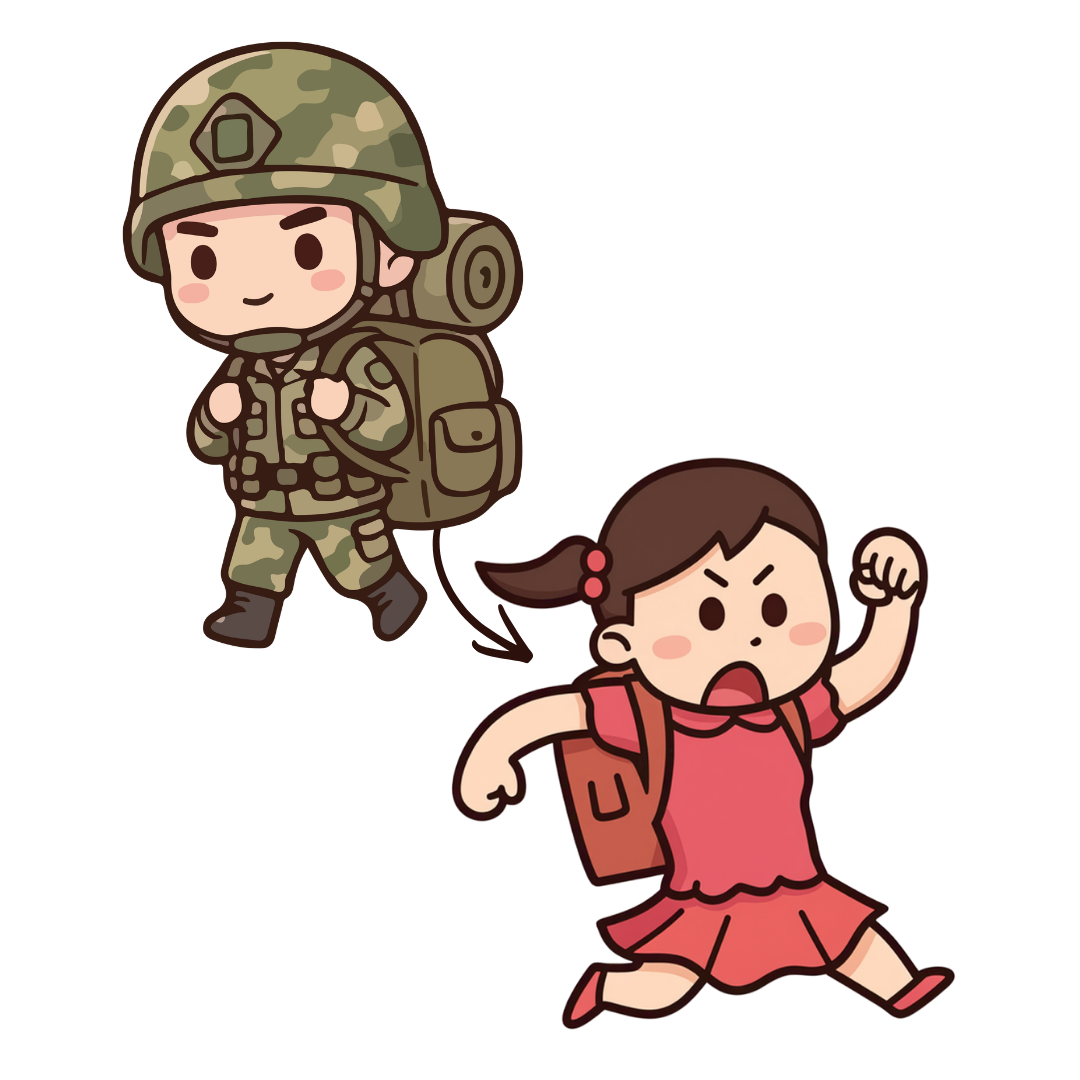
Aquí está la primera sorpresa. Randoseru no es originalmente una palabra japonesa. Su nombre se rastrea generalmente hasta la palabra holandesa “ransel,” que significa mochila o morral. El primer ancestro de la moderna randoseru era una mochila militar de tela, o hainō (背嚢), introducida en Japón a finales del período Edo y utilizada por soldados. Se veía bastante diferente de las mochilas pulidas que los niños llevan hoy. La transformación comenzó durante la rápida modernización de Japón en el período Meiji.
De equipo militar
a una mochila escolar
La historia de la randoseru está estrechamente vinculada a Gakushūin, una escuela de élite establecida en Tokio en 1877.
En ese momento, los niños llegaban a la escuela de maneras muy diferentes dependiendo de la posición social de sus familias. Algunos caminaban llevando sus propias pertenencias, mientras que los estudiantes más adinerados podían llegar en carruaje o tener sirvientes que llevaran sus útiles escolares.
Gakushūin quería que el entorno escolar enfatizara la igualdad.
En 1885, por lo tanto, se esperaba que los estudiantes llevaran sus propios materiales escolares en lugar de depender de sirvientes o vehículos. Una mochila de estilo militar era práctica porque se podía llevar en la espalda mientras se dejaban libres ambas manos.
Pero aún no se parecía del todo a la randoseru de hoy.
Eso cambió en 1887.
Según la Asociación de Fabricantes de Randoseru de Japón, el estadista Itō Hirobumi presentó una mochila escolar de cuero en forma de caja al futuro emperador Taishō cuando ingresó a Gakushūin.
Esa bolsa es considerada el prototipo de la moderna randoseru de forma rectangular. El cuero negro se estandarizó poco después, y a finales de la década de 1890 se habían establecido las proporciones básicas de lo que se conoció como la randoseru estilo Gakushūin.
Más de un siglo después, su silueta sigue siendo instantáneamente reconocible.
¿Por qué los niños japoneses usan randoseru durante seis años?
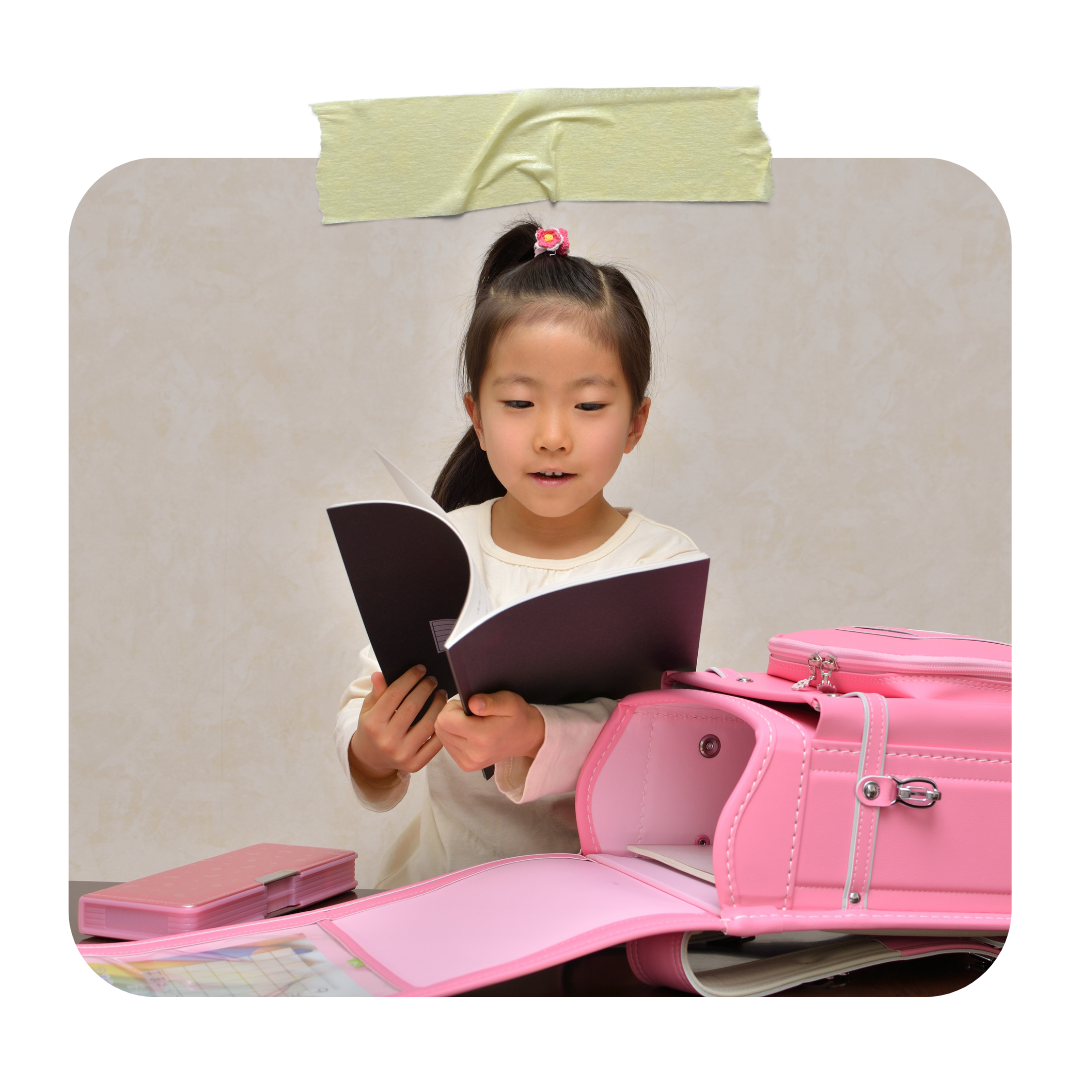
La escuela primaria japonesa dura seis años, comenzando alrededor de los seis años y terminando alrededor de los doce. Un randoseru tradicional está diseñado, por lo tanto, con un objetivo bastante inusual: una mochila, seis años. Piensa en lo que eso realmente requiere. La misma mochila que lleva un pequeño estudiante de primer grado debe seguir funcionando cuando ese niño sea un estudiante de sexto grado mucho más alto. Necesita correas de hombro ajustables, costuras fuertes, una estructura que resista el colapso, herrajes duraderos y suficiente espacio para suministros escolares cada vez más grandes. Muchos de los principales fabricantes japoneses, en consecuencia, ofrecen garantías de reparación de seis años. Esa longevidad es una de las razones por las que un randoseru se siente muy diferente de una mochila infantil ordinaria. Se asemeja más a un equipo duradero diseñado para toda una etapa de la infancia.
¿Por qué son tan caros los randoseru?
Un randoseru puede costar decenas de miles de yenes, siendo los modelos de cuero premium aún más caros. Según la encuesta de 2026 de la Asociación de Fabricantes de Randoseru de Japón, el precio promedio de compra fue de ¥62,034, y el 46% de las familias pagaron ¥65,000 o más. El precio tiene más sentido si consideras que se espera que una mochila sobreviva seis años de uso casi diario. Dependiendo del modelo, el costo puede reflejar materiales duraderos, construcción reforzada, diseño ergonómico, características de seguridad y garantías de reparación de seis años. Comprar uno es una parte tan importante de la preparación para la escuela primaria que Japón incluso tiene un término para ello: rankatsu (ラン活) — el proceso de investigar, comparar y elegir el randoseru perfecto.
¿Cuánto pesa un randoseru?
Los randoseru son famosos por su robustez, pero esa construcción conlleva peso.
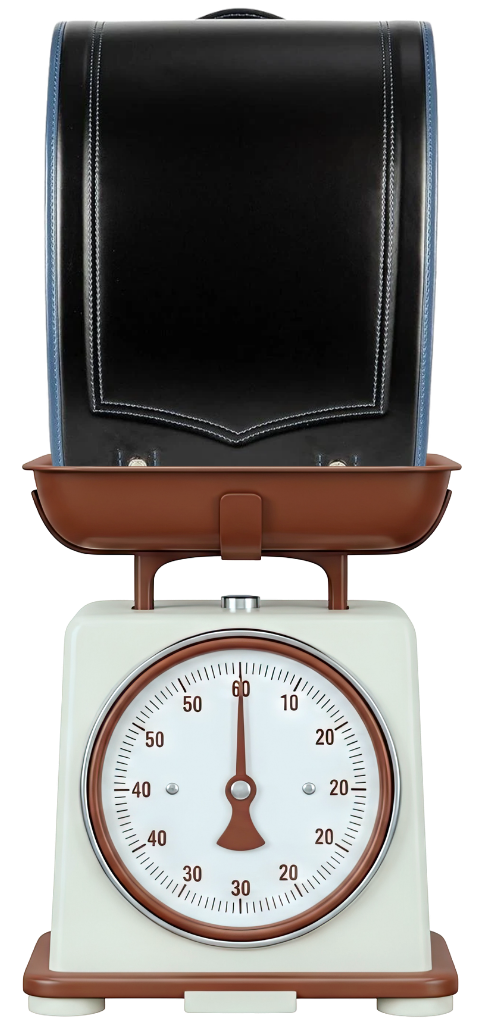
Dependiendo de los materiales y el diseño, muchos modelos tradicionales pesan aproximadamente 1–1.6 kg cuando están vacíos, aunque las versiones modernas más ligeras pueden pesar menos de 1 kg. Por ejemplo, algunos modelos ligeros actuales se publicitan desde aproximadamente 880 g.
El problema más grande, sin embargo, generalmente no es la mochila en sí.
Una vez que se añaden libros de texto, cuadernos, estuches, botellas de agua y dispositivos digitales, la carga total puede volverse considerablemente más pesada.
Esto ha generado un debate en Japón sobre la reducción de la cantidad que los niños necesitan llevar, incluyendo permitir que algunos libros de texto y materiales permanezcan en la escuela. El Ministerio de Educación de Japón ha emitido directrices pidiendo a las escuelas que consideren la carga creada por las pertenencias de los estudiantes.
Por lo tanto, los fabricantes de randoseru modernos se centran cada vez más no solo en reducir el peso, sino también en cómo se distribuye la carga en la espalda del niño.
¿Puede un randoseru ayudar a prevenir ahogamientos?
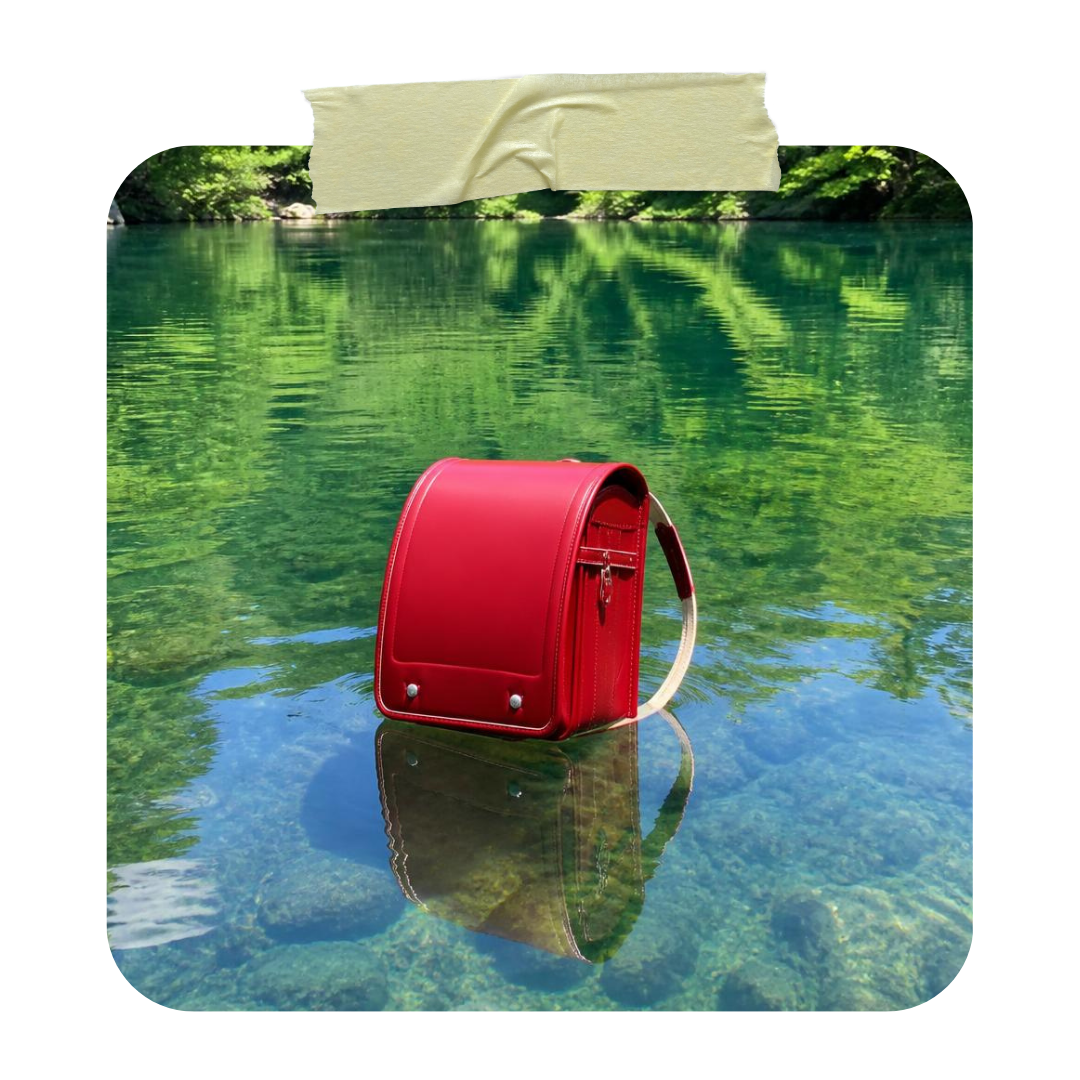
Este puede ser el hecho más inesperado sobre el randoseru. Los randoseru tradicionales en forma de caja pueden flotar en ciertas circunstancias. En un experimento de 2023 que involucró a la sucursal de Kanagawa de la Cruz Roja Japonesa, los niños probaron randoseru en una piscina. Según una entrevista con representantes de la industria del randoseru de Japón, las mochilas proporcionaron suficiente flotabilidad en la prueba como para que incluso un adulto sosteniendo una pudiera mantenerse a flote.
¿Por qué?
Muchas mochilas randoseru modernas estructuradas contienen materiales de refuerzo livianos con aire dentro de su construcción. Su forma rígida también puede comportarse de manera muy diferente en el agua en comparación con una mochila de tela suave que se satura. La orientación de emergencia discutida en el mismo proyecto incluía flotar de espaldas mientras se mantiene el randoseru puesto, o usar la mochila como algo flotante para agarrarse. Sin embargo, hay una distinción importante:
Un randoseru ordinario no debe ser tratado automáticamente como un chaleco salvavidas certificado o un dispositivo de flotación garantizado.
La flotabilidad varía según la construcción, condición y contenido de la mochila. Sin embargo, hay productos diseñados específicamente que llevan la idea mucho más lejos. El Ukuran (ウクラン) japonés, por ejemplo, fue desarrollado específicamente como una mochila escolar con funcionalidad de flotación para emergencias de tsunamis e inundaciones. Incorpora componentes flotantes, aberturas de drenaje, cinta reflectante, un silbato y correas destinadas para uso de emergencia. Es un ejemplo fascinante del concepto japonés de diseño sin fase: un objeto cotidiano que también puede volverse útil durante un desastre. Una mochila escolar que lleva tareas de ortografía el lunes podría convertirse potencialmente en equipo de emergencia cuando algo sale muy mal.
Y quizás el más
¿el hecho más sorprendente de todos?
Un randoseru tradicional en forma de caja puede incluso proporcionar
flotabilidad en el agua.
Ahora hay mochilas escolares japonesas específicamente diseñadas para funcionar como dispositivos de flotación en una emergencia.
¿Cómo es que una mochila militar de hace más de un siglo se convirtió en uno de los símbolos más reconocibles de la infancia en Japón?
Un Randoseru Puede Proteger Más Que Tareas
El agua no es la única emergencia en la que piensan los diseñadores.
La forma rígida de caja que evita que los cuadernos se aplasten también puede crear una barrera protectora alrededor de la espalda del niño.
Los representantes de la industria del randoseru de Japón han informado historias de niños cuyos mochilas actuaron como amortiguación durante caídas o accidentes. También enseñan a los niños que, durante un terremoto, un randoseru resistente puede posicionarse sobre la cabeza para proporcionar cierta protección contra los escombros que caen.
De nuevo, un randoseru no es un equipo de protección en la misma categoría que un casco, pero su construcción rígida puede ofrecer beneficios que una mochila de tela blanda no puede.
Y luego está la seguridad vial.
¿Por qué algunos randoseru brillan en los faros de los coches?
Mira detenidamente un randoseru moderno y puede que encuentres material reflectante integrado en:
- las correas de los hombros
- paneles laterales
- tachuelas metálicas
- ribete alrededor de la mochila
- cubiertas protectoras
El efecto puede ser sorprendentemente dramático.
A la luz del día, el elemento reflectante puede ser casi invisible. Cuando es iluminado por los faros de un vehículo en la oscuridad o en condiciones climáticas adversas, refleja la luz de vuelta hacia el conductor y hace que el niño sea más fácil de notar.
Algunos fabricantes ahora diseñan material reflectante alrededor de casi todo el contorno de la mochila para que el niño sea visible desde múltiples direcciones.
Otras características de seguridad que se encuentran en los modelos contemporáneos incluyen puntos de sujeción para alarmas personales y ganchos laterales diseñados para liberarse bajo una fuerte fuerza en lugar de atrapar al niño si algo colgado de la mochila queda atrapado.
La familiar mochila escolar se ha convertido silenciosamente en una sorprendentemente sofisticada pieza de diseño de seguridad infantil.
¿Siempre fueron tan coloridos los randoseru?
Definitivamente no.
Durante décadas, la imagen estereotipada era simple:
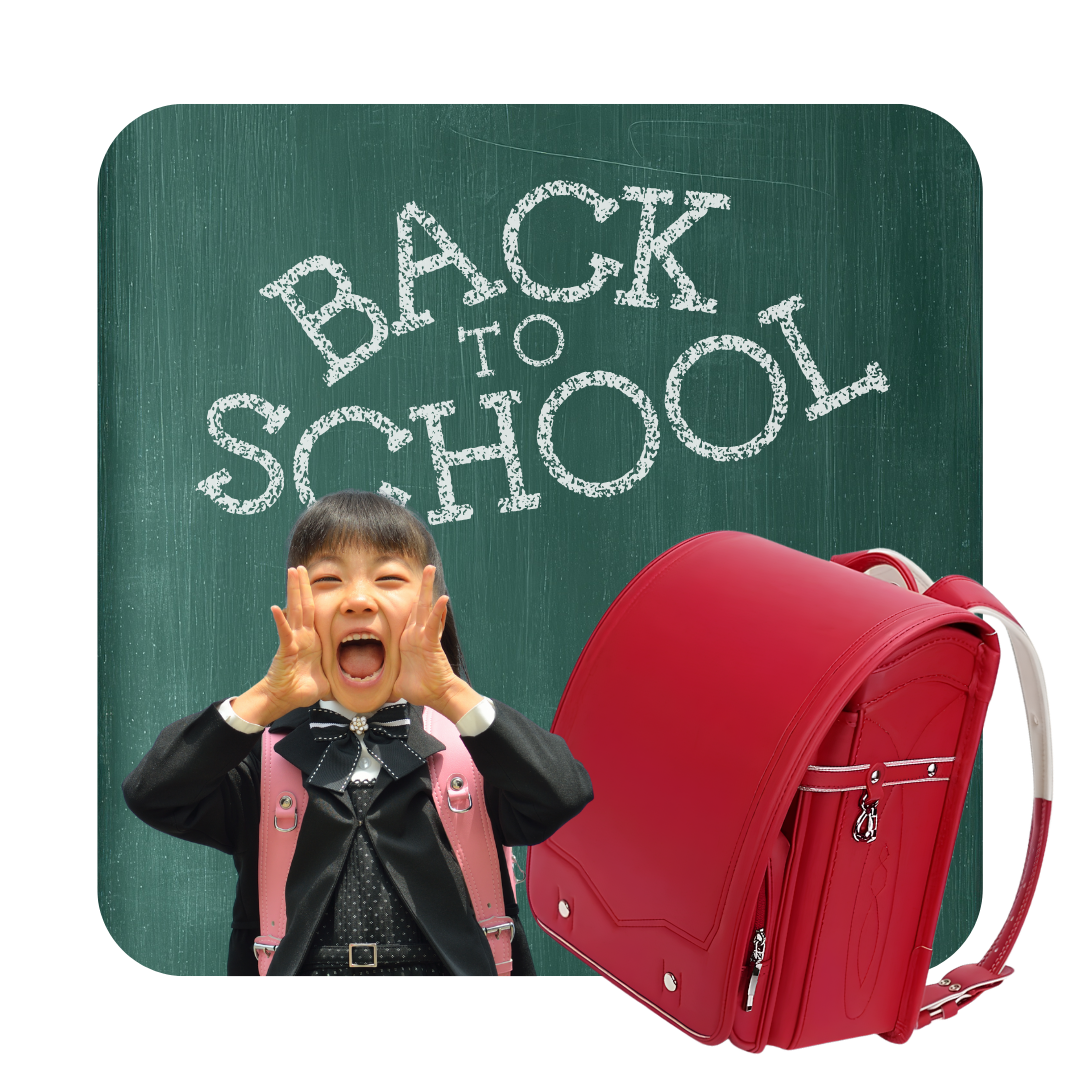
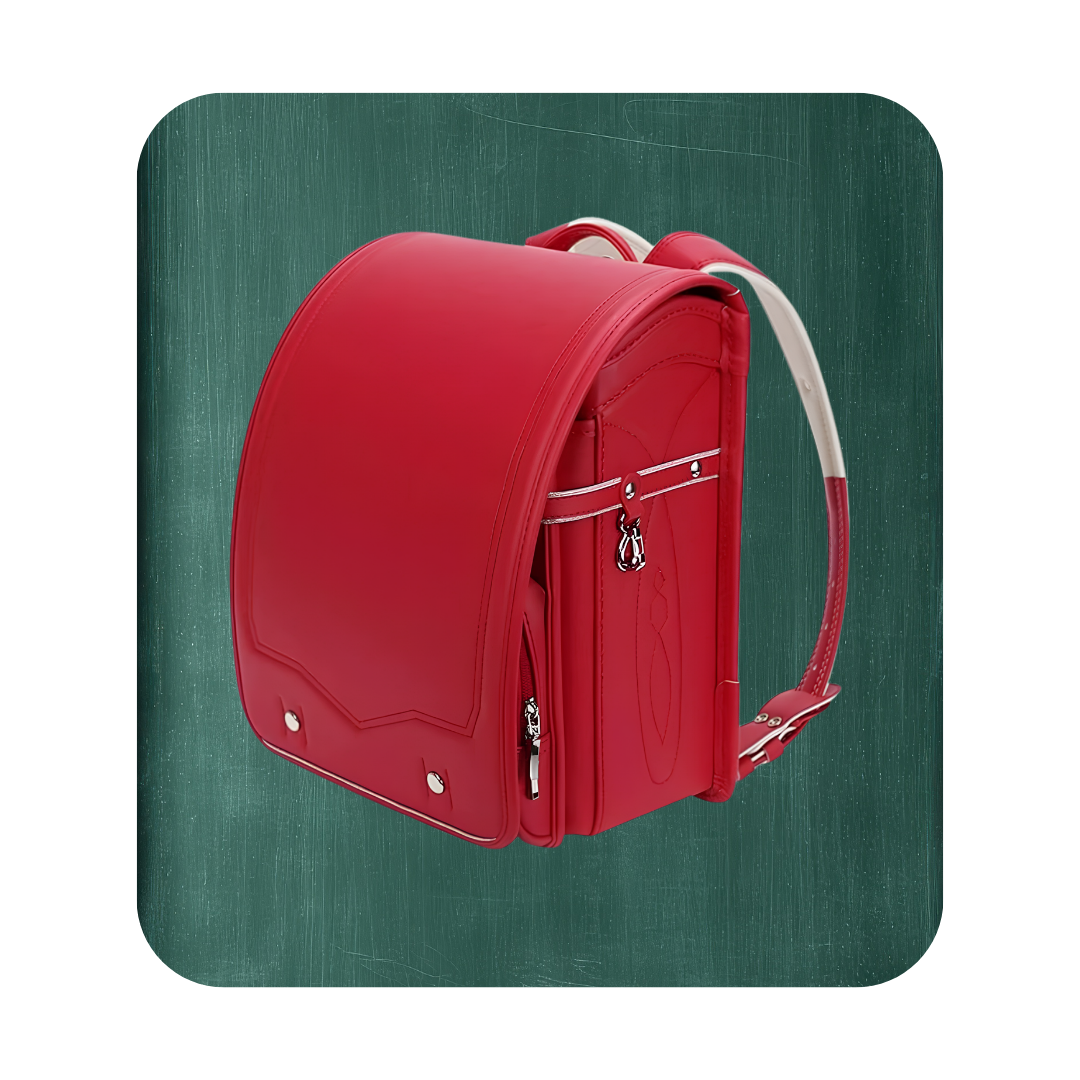
negro para niños, rojo para niñas.
Históricamente, el cuero negro se estableció muy temprano en el desarrollo del randoseru estilo Gakushūin. Para el período de posguerra, el negro y el rojo se convirtieron en los colores dominantes, y una línea de tiempo de la industria del randoseru de 1955 registra específicamente el cuero teñido en estos dos colores.
Hoy en día, entrar en una tienda de randoseru japonesa es una experiencia completamente diferente.
Lavanda, Menta, Camel, Marino, Rosa, Azul cielo, Verde bosque, Plata, Marfil, Pasteles, combinaciones bicolor.
La idea de que los niños deben elegir rojo o negro ha desaparecido rápidamente.
Y podemos ver realmente ese cambio en las estadísticas actuales.
Según la encuesta de la industria de 2026:
Para niños:
Negro — 54.4%
Azul — 14.4%
Marino — 14.0%
Para niñas:
Púrpura/lavanda — 30.0%
Rosa — 18.7%
Azul cielo — 16.7%
Marrón claro/camel — 7.9%
Rojo — solo 6.6%
Quizás el número más interesante es que el rojo, que una vez fue el color definitorio de randoseru para niñas, ahora está muy por detrás de la lavanda.
La compra de randoseru modernos se trata cada vez más de permitir que el niño elija algo que se sienta como propio.
¿De qué están hechos los randoseru?
No todos los randoseru son de cuero.
Las versiones modernas se fabrican comúnmente con:
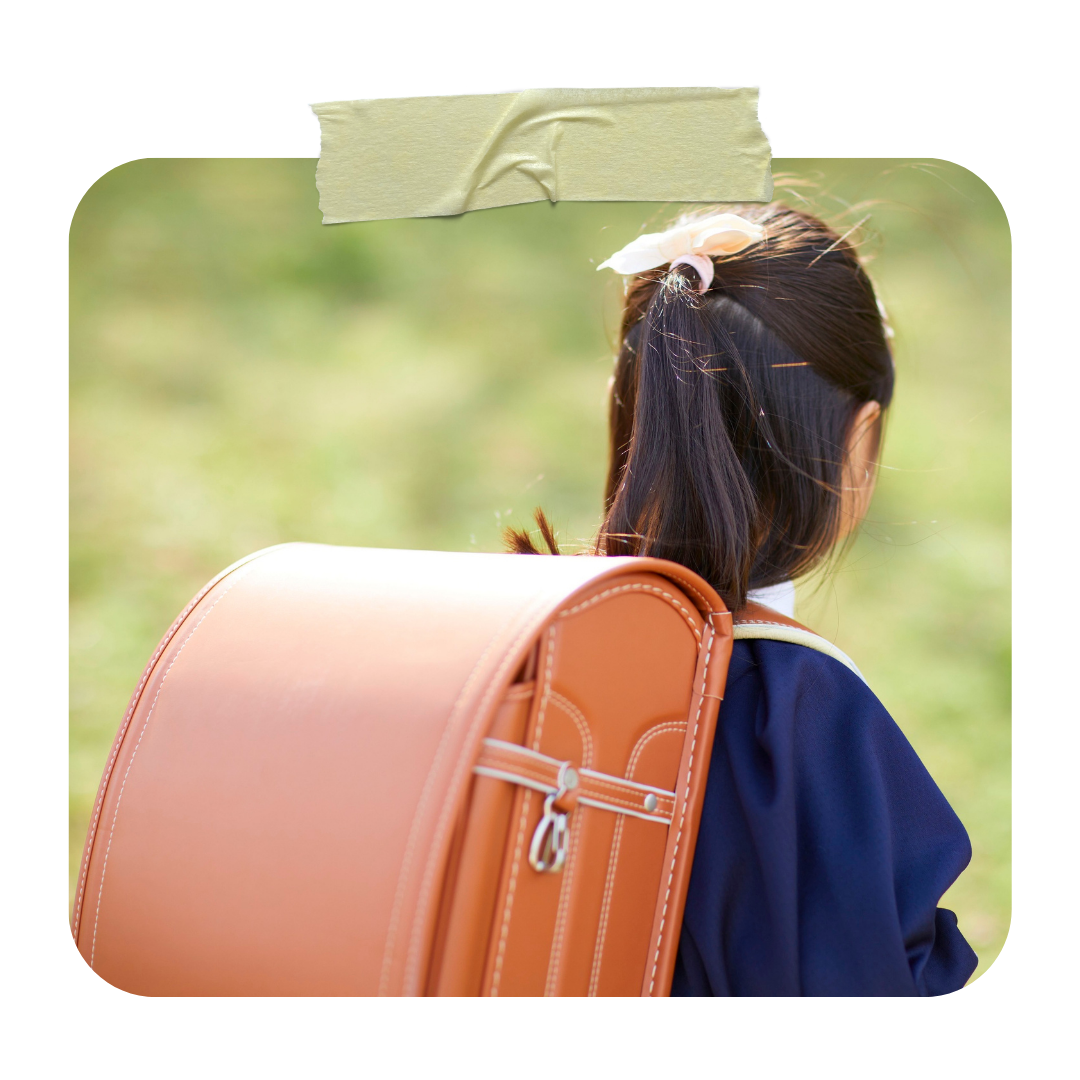
Cuero sintético
Materiales como el Clarino son populares porque combinan durabilidad con un peso relativamente bajo y un mantenimiento más fácil.
Cuero de vaca
Más pesado que muchas alternativas sintéticas, pero apreciado por su apariencia tradicional, tacto y envejecimiento.
Cordobán
Hecho de cuero de caballo y generalmente posicionado como un material premium. Los randoseru de cordobán pueden ser considerablemente más caros.
La encuesta de la industria de 2026 encontró que el 27.5% de los encuestados identificaron su mochila como Clarino y el 23.1% como cuero de vaca, aunque una proporción sorprendentemente grande de encuestados no sabía exactamente de qué material estaba hecha su randoseru.
Han evolucionado para llevar tabletas también
Una mochila diseñada por primera vez en el siglo diecinueve ahora tiene que llevar equipo escolar del siglo veintiuno. Eso significa que los randoseru modernos incluyen cada vez más espacio no solo para libros de texto, sino para:archivos planos A4tabletasfundas protectoras para tabletasbotellas de aguaestuches de lápices más grandesmateriales escolares adicionalesEn la encuesta de la industria de 2026, el 63.2% de las mochilas compradas eran de tamaño archivo plano A4, reflejando cómo el equipo escolar moderno ha influido en el diseño tradicional. La silueta sigue siendo notablemente familiar. El interior ha tenido que evolucionar.
¿Qué pasa con un Randoseru después de la graduación?
Después de seis años juntos, tirar la mochila puede parecer extrañamente difícil.
Para cuando un niño termina la escuela primaria, el randoseru puede tener rasguños, esquinas desgastadas y marcas de miles de viajes entre casa y la escuela.
Para muchas familias, esas imperfecciones son precisamente lo que lo hace valioso.
Los randoseru viejos pueden ser:
- guardados como recuerdos de la infancia
- heredados
- donados
- reparados
- transformados en randoseru en miniatura
- rehechos en billeteras, estuches para tarjetas, llaveros u otros artículos de cuero
Algunos fabricantes japoneses ahora ofrecen oficialmente servicios de remake de randoseru, convirtiendo la mochila escolar del niño en artículos más pequeños que pueden seguir usándose años después de la graduación.
En ese sentido, la famosa “mochila de seis años” a veces dura mucho más de seis años.

8 Datos sorprendentes sobre el Randoseru
El nombre se deriva
del holandés.
“Randoseru” se desarrolló a partir del holandés ransel, que significa mochila.
Su ancestro era militar
equipo.
Las versiones más antiguas se inspiraron en mochilas militares en lugar de la moda infantil.
La forma moderna de caja data de 1887.
Su forma reconocible tiene más de 130 años.
Se espera que una mochila dure seis años escolares.
Muchos fabricantes incluso respaldan esta expectativa con programas de reparación de seis años.
5. Un randoseru puede costar más de ¥100,000.
Los modelos de artesanía premium y de cuero pueden alcanzar el territorio de las bolsas de lujo, mientras que el precio promedio de compra en 2026 fue de ¥62,034.
6. Algunos randoseru pueden
flotar.
Las pruebas realizadas con la Cruz Roja Japonesa han explorado cómo un randoseru en forma de caja podría proporcionar flotabilidad de emergencia.
7. Los modelos modernos pueden iluminarse con los faros.
Los materiales reflectantes ayudan a los conductores a notar a los niños en la lluvia, el crepúsculo y la oscuridad.
8. El rojo ya no es el color más popular para las niñas.
En la encuesta de 2026, el lavanda y el púrpura fueron mucho más populares.


