![Fino Premium Touch Rich Serum Hair Mask – Deep Repair & Silky Smooth Hair 230g [With alcohol]](http://wabisabi-store.jp/cdn/shop/products/Bestseller-Maska-do-wlosow-silnie-odbudowujaca-FINO-Premium-Touch-od-Shiseido-300g-Shiseido.jpg?v=1630161222&width=500)
![Fino Premium Touch Rich Serum Hair Mask – Deep Repair & Silky Smooth Hair 230g [With alcohol]](http://wabisabi-store.jp/cdn/shop/products/Bestseller-Maska-do-wlosow-silnie-odbudowujaca-FINO-Premium-Touch-od-Shiseido-300g-Shiseido-2.jpg?v=1630161222&width=600)
![Shiseido KOTO Fancy Powder (Pressed) – Perfumed Powder for Luxurious Body Care 110g [Alcohol-free]](http://wabisabi-store.jp/cdn/shop/files/31OSYGq2h5L.jpg?v=1736363998&width=500)
![Shiseido KOTO Fancy Powder (Pressed) – Perfumed Powder for Luxurious Body Care 110g [Alcohol-free]](http://wabisabi-store.jp/cdn/shop/files/31XhNJ9JhPL._AC.jpg?v=1736363999&width=421)
![Pelican Soap - *Dermo Cosmetic* Soap with Shibu Kaki/Persimmons eliminating unpleasant odor and acne 80gx2 [Alcohol-free]](http://wabisabi-store.jp/cdn/shop/files/4976631479392.jpg?v=1724311362&width=700)
![KOKURYU - *DERMO COSMETIC* Strongly moisturizing and rejuvenating cream 70g [Alcohol-free]](http://wabisabi-store.jp/cdn/shop/products/4901477011802.webp?v=1668064918&width=700)
![KOKURYU - *DERMO COSMETIC* Strongly moisturizing and rejuvenating cream 70g [Alcohol-free]](http://wabisabi-store.jp/cdn/shop/products/item14_1_02.jpg?v=1668064922&width=700)

![BESTSELLER-SUHADA KINENBI - NEW VERSION! Nourishing powder-serum for night and day 10g [Alcohol-free]](http://wabisabi-store.jp/cdn/shop/files/DAF67291-C3CC-454C-99E2-09D3A6DADA00.jpg?v=1709277760&width=560)
![BESTSELLER-SUHADA KINENBI - NEW VERSION! Nourishing powder-serum for night and day 10g [Alcohol-free]](http://wabisabi-store.jp/cdn/shop/files/8CA613BC-1818-4BF1-BC97-F8A9F2D1AD3D.jpg?v=1709364150&width=700)


Japanese Skincare
step by step
In the Japanese philosophy of skincare, three elements are considered the most important: consistency, gentleness, and the correct order of products. The skin responds best to care when it is performed daily and in a thoughtful, structured way.
One of the fundamental principles is also adapting skincare to your skin type. Every complexion has different needs — dry, oily, combination, and sensitive skin all require slightly different products. In this article, however, we will focus on the general principles of skincare and the correct order of steps.
If you would like personalized product recommendations, we encourage you to complete our questionnaire and request a free skincare routine plan:
Morning Skincare Routine
The morning routine should primarily refresh the skin, provide proper hydration, and protect it from external factors.
1. Cleansing the Face
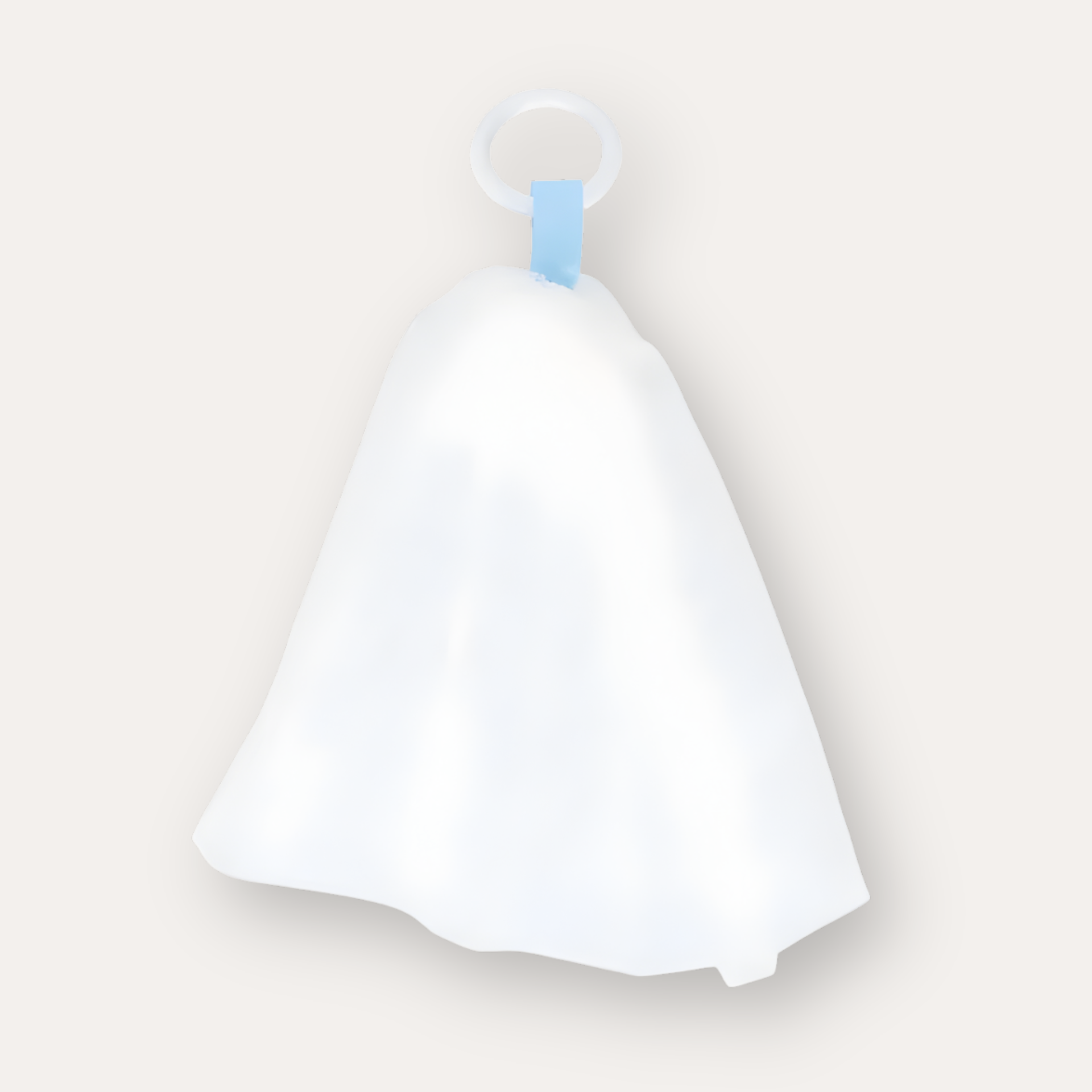
The morning routine begins with gentle cleansing of the skin. In Japanese skincare, it is very important that the face wash — whether a gel or cream — is properly foamed before applying it to the skin.
A rich, dense foam cleanses the pores much more gently and reduces the risk of irritation. Many people use special foam nets or containers that turn the cleanser into foam during dispensing.
Foamer Net
for Face Wash
2. Keshosui - Lotions
Keshosui (化粧水) is a Japanese hydrating lotion that restores the skin’s moisture balance after cleansing and prepares it for the next skincare steps.
It is most often applied directly with the hands, gently patting it into the skin.
3. Serum
Serum delivers concentrated active ingredients to the skin. It can help support hydration, even out skin tone, or improve the overall condition of the skin.
At this stage, it is especially important to choose a product suited to your skin’s needs.
4. Moisturizing Emulsion
A moisturizing milk or emulsion helps lock moisture into the skin and strengthen its protective barrier. It is usually lighter than a traditional cream, which makes it ideal for everyday skincare.
5. Sunscreen
The final step of the morning routine is SPF sunscreen.
Daily sun protection is one of the most important elements of Japanese skincare because UV radiation is the main cause of premature skin aging and hyperpigmentation. For this reason, sunscreen should be used every day, regardless of the weather.
Evening Skincare Routine
The evening routine focuses on thoroughly cleansing the skin and supporting its regeneration after a full day.
1. Cleansing Oil / Makeup Remover
The first step is to remove makeup, sunscreen, and impurities. In Japanese skincare, cleansing oils are very popular because they effectively dissolve makeup and sebum.
2. Face Wash (Cream or Gel)
The second cleansing step is washing the face with a face wash gel or cream. Just like in the morning routine, the product should be properly foamed so that cleansing remains gentle on the skin.
3. Keshosui - Lotion, plus Pakku – Sheet Mask
After cleansing, keshosui (lotion) is applied to restore moisture to the skin.
At this stage, many people also use pakku (パック), which means a sheet mask. In Japan, sheet masks are a very popular part of everyday skincare because they intensely hydrate the skin and help it regenerate.
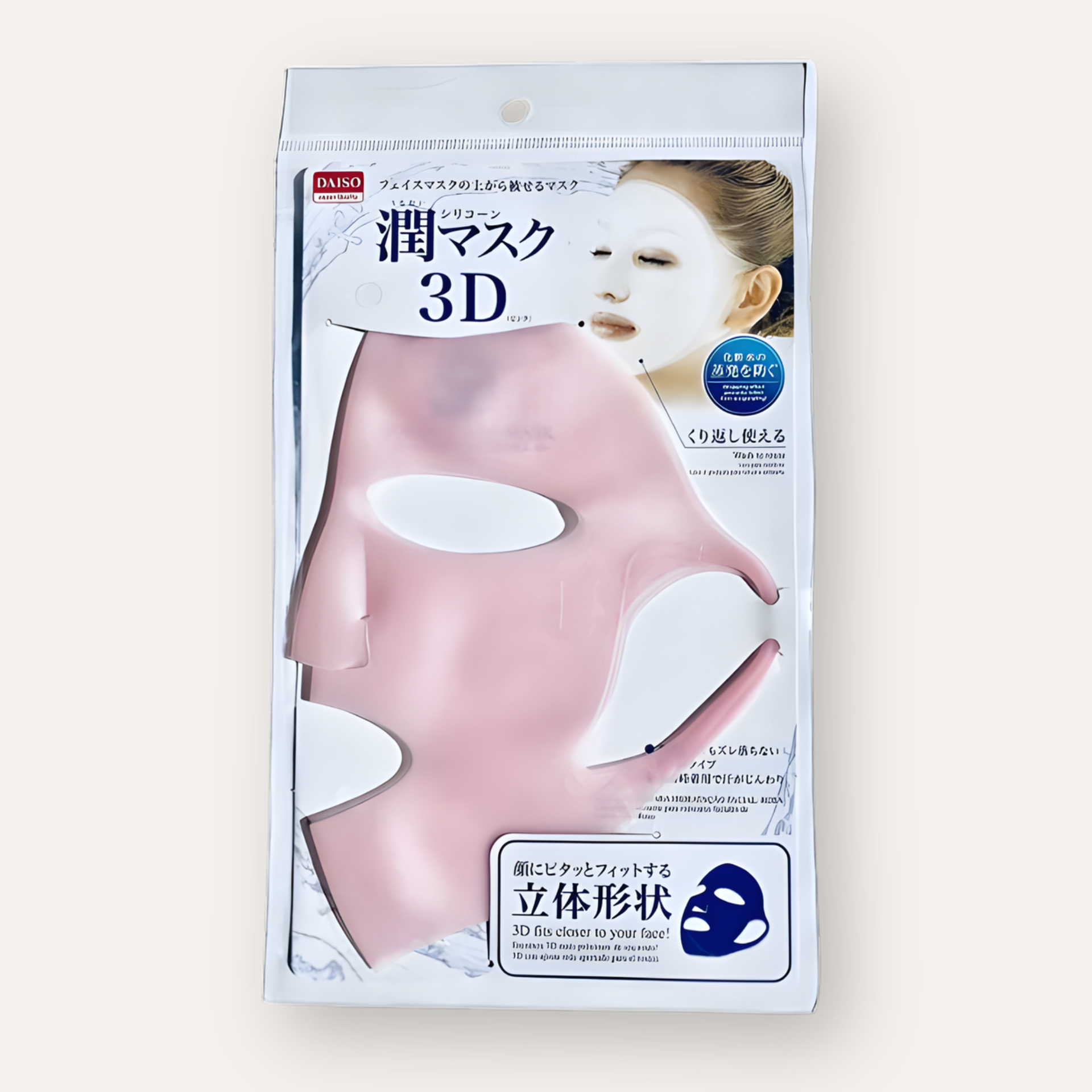
If it’s difficult to find time to lie down and relax with a mask, a practical solution can be a reusable silicone face mask. It helps keep the sheet mask in place so you can continue doing other activities while using it.
4. Serum
After removing the mask, you can apply serum, which delivers concentrated active ingredients to the skin and supports the regeneration processes that occur overnight.
5. Moisturizing Emulsion
A moisturizing milk or emulsion helps maintain hydration and strengthen the skin barrier after the previous skincare steps.
6. Cream
The final step of the routine is a cream that seals in the previous layers of skincare and helps lock moisture into the skin during sleep.
7. Facial Massage (with Hands or a Massager)
At the end, many people perform a gentle facial massage, which can improve circulation and help relax facial muscles. The massage can be done with the hands or with special facial massagers.
Small Habits That
Improve Skin Condition
In addition to well-chosen cosmetics, daily skincare habits play a huge role. Small actions repeated every day often have the greatest impact on the condition of the skin in the long run.
Facial skin is very delicate, so it is a good idea to use a separate towel dedicated only to your face. Towels easily collect bacteria and cosmetic residue, so they should be regularly washed and replaced. It is also important to dry the face gently by pressing the towel against the skin rather than rubbing it.
Another helpful habit is changing your pillowcase frequently. During sleep, the skin is in direct contact with it for many hours, and the fabric can accumulate sebum, sweat, and leftover cosmetics. Regularly changing pillowcases helps keep the skin in better condition.
An important part of skincare is also regular exfoliation (peeling). It helps remove dead skin cells, bacteria, accumulated impurities, and free radicals. As a result, the skin becomes smoother and skincare products can absorb more effectively. Usually, exfoliating once or twice a week is enough, depending on the skin’s needs.
It is also worth paying attention to everyday habits such as touching your face with your hands. Bacteria can easily transfer from the hands to the skin, so limiting this habit may help reduce imperfections.
Sleep and lifestyle also influence the condition of the skin. During sleep, the skin regenerates and repairs itself, so getting enough rest plays an important role in maintaining a healthy appearance. Proper hydration and a balanced diet are also essential, as they support the skin’s natural processes.
Although these habits are simple, practicing them regularly helps keep the skin in good condition and enhances the effects of daily skincare.
Skincare Begins with Understanding Your Skin
Although the basic order of skincare steps is similar for most people, the specific products you choose should always be adapted to your skin type.
In upcoming articles, we will take a closer look at how to choose the best skincare routine for different skin types. This will make it easier to create a routine that truly matches your skin’s needs and delivers the best results.
For now, if you find it difficult to choose the right cosmetics for your skin type, fill out our questionnaire and we will prepare a skincare routine recommendation tailored to your skin’s needs.