




![Fino Premium Touch Rich Serum Hair Mask – Deep Repair & Silky Smooth Hair 230g [With alcohol]](http://wabisabi-store.jp/cdn/shop/products/Bestseller-Maska-do-wlosow-silnie-odbudowujaca-FINO-Premium-Touch-od-Shiseido-300g-Shiseido.jpg?v=1630161222&width=500)
![Fino Premium Touch Rich Serum Hair Mask – Deep Repair & Silky Smooth Hair 230g [With alcohol]](http://wabisabi-store.jp/cdn/shop/products/Bestseller-Maska-do-wlosow-silnie-odbudowujaca-FINO-Premium-Touch-od-Shiseido-300g-Shiseido-2.jpg?v=1630161222&width=600)
![Shiseido KOTO Fancy Powder (Pressed) – Perfumed Powder for Luxurious Body Care 110g [Alcohol-free]](http://wabisabi-store.jp/cdn/shop/files/31OSYGq2h5L.jpg?v=1736363998&width=500)
![Shiseido KOTO Fancy Powder (Pressed) – Perfumed Powder for Luxurious Body Care 110g [Alcohol-free]](http://wabisabi-store.jp/cdn/shop/files/31XhNJ9JhPL._AC.jpg?v=1736363999&width=421)
![Pelican Soap - *Dermo Cosmetic* Soap with Shibu Kaki/Persimmons eliminating unpleasant odor and acne 80gx2 [Alcohol-free]](http://wabisabi-store.jp/cdn/shop/files/4976631479392.jpg?v=1724311362&width=700)
![KOKURYU - *DERMO COSMETIC* Strongly moisturizing and rejuvenating cream 70g [Alcohol-free]](http://wabisabi-store.jp/cdn/shop/products/4901477011802.webp?v=1668064918&width=700)
![KOKURYU - *DERMO COSMETIC* Strongly moisturizing and rejuvenating cream 70g [Alcohol-free]](http://wabisabi-store.jp/cdn/shop/products/item14_1_02.jpg?v=1668064922&width=700)

![BESTSELLER-SUHADA KINENBI - NEW VERSION! Nourishing powder-serum for night and day 10g [Alcohol-free]](http://wabisabi-store.jp/cdn/shop/files/DAF67291-C3CC-454C-99E2-09D3A6DADA00.jpg?v=1709277760&width=560)
![BESTSELLER-SUHADA KINENBI - NEW VERSION! Nourishing powder-serum for night and day 10g [Alcohol-free]](http://wabisabi-store.jp/cdn/shop/files/8CA613BC-1818-4BF1-BC97-F8A9F2D1AD3D.jpg?v=1709364150&width=700)

Zonnebeschadiging komt niet altijd als een dramatische rode verbranding.
UV-bescherming: Wat UV-straling doet - en hoe Japanse vrouwen hun huid beschermen
Spring naar:
Wat is het verschil tussen UVA en UVB?
Voorkomt zonnebrandcrème rimpels?
Heb je op bewolkte dagen zonnebrandcrème nodig?
Hoe vaak moet zonnebrandcrème opnieuw worden aangebracht?
Hoe beschermen Japanse vrouwen hun huid tegen de zon?
Kunnen mensen met een donkere huid zonnebrand krijgen?
Het kan gebeuren tijdens een bewolkte wandeling, op een koele lentedag, terwijl je rijdt of tijdens een korte lunchpauze buiten. Ultravioletstraling is niet zichtbaar of voelbaar, en schade kan beginnen voordat de huid rood of ongemakkelijk wordt. Zelfs een tan is geen bewijs dat de huid zich "veilig" heeft aangepast. Het is een zichtbare reactie op schade die al heeft plaatsgevonden.
Dit is een van de redenen waarom UV-bescherming zo serieus wordt genomen in Japan. In plaats van alleen op zonnebrandcrème te vertrouwen, gebruiken veel Japanse vrouwen een gelaagde aanpak die zonnencrème, UV-cut parasols, hoeden, armcovers, handschoenen, zonnebrillen en zorgvuldig gekozen kleding combineert.
Het doel is niet om je te verstoppen voor daglicht. Het is om onnodige UV-blootstelling te verminderen voordat de effecten zichtbaar worden.
Wat is UV-bescherming?
UV-bescherming betekent het verminderen van de hoeveelheid ultraviolette straling die de huid en ogen bereikt.
Effectieve bescherming combineert meestal:
- Schaduw en het vermijden van de sterkste middagzon
- Kleding die de huid bedekt
- Een hoed met een brede rand
- Zonnebrillen die UVA en UVB blokkeren
- Breed-spectrum zonnebrandcrème op blootgestelde gebieden
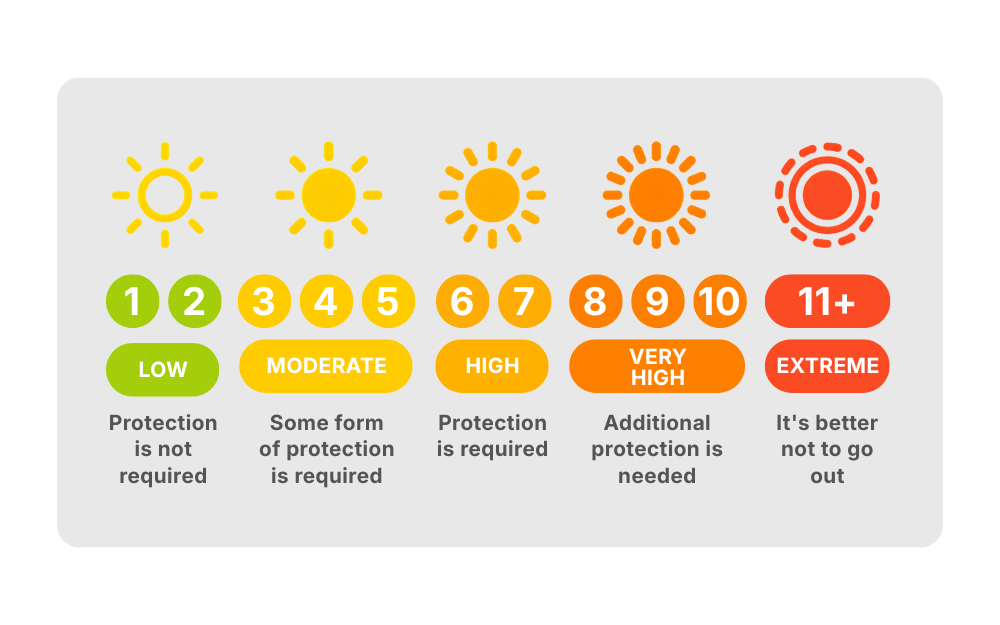
De Wereldgezondheidsorganisatie raadt aan om verschillende beschermingsmethoden samen te gebruiken, vooral wanneer de UV-index 3 of hoger bereikt. Schaduw en kleding moeten de eerste verdedigingslinie zijn, terwijl zonnebrandcrème de blootgestelde gebieden moet bedekken. Zonnebrandcrème mag niet als reden worden gebruikt om langer in fel zonlicht te blijven.
Snelle antwoord: UV-straling kan zonnebrand, pigmentatie veroorzaken, vroegtijdige huidveroudering, DNA-schade, oogletsel, effecten op het immuunsysteem en huid kanker. De meest betrouwbare bescherming komt van het combineren van zonnebrandcrème met schaduw, kleding, hoeden, zonnebrillen en zonbeschermende accessoires.

UVA vs UVB: Wat is het verschil?
Zowel UVA als UVB kunnen de huid beschadigen, maar ze gedragen zich anders.
Wat doet UVA?
UVA dringt dieper in de huid door en draagt sterk bij aan pigmentatie, verlies van elasticiteit en voortijdige veroudering.
Het kan ook gemakkelijker door gewoon vensterglas heen komen dan UVB.
Wat doet UVB?
UVB is de belangrijkste oorzaak van zonnebrand. Het beschadigt direct cellulair DNA en draagt bij aan huidkanker.
SPF geeft voornamelijk bescherming tegen UVB aan, terwijl het PA-systeem van Japan het niveau van UVA-bescherming aangeeft. Zowel UVA als UVB zijn betrokken bij langdurige huidbeschadiging en huidkanker, wat de noodzaak van brede bescherming verklaart.
Wat doet UV-straling met het lichaam?
1. Het beschadigt DNA
UV-straling kan het DNA in huidcellen beschadigen. Een deel van deze schade wordt van nature hersteld, maar herhaalde of ernstige blootstelling kan het herstelproces overweldigen. Mutaties kunnen in de loop van de tijd accumuleren en bijdragen aan de ontwikkeling van huidkanker. Zonne-straling wordt geclassificeerd als kankerverwekkend voor mensen.
Volgens de Wereldgezondheidsorganisatie werden in 2020 wereldwijd meer dan 1,5 miljoen gevallen van huidkanker en meer dan 120.000 gerelateerde sterfgevallen geregistreerd. De meeste huidkankers zijn voornamelijk geassocieerd met blootstelling aan ultraviolette straling.
2. Het versnelt huidveroudering
Zon-gerelateerde veroudering staat bekend als fotoveroudering. Het kan zich uiten als:
- Fijne lijntjes en diepere rimpels
- Verlies van elasticiteit
- Ongelijke pigmentatie
- Donkere vlekken en sproeten
- Ruwe of leerachtige textuur
- Aanhoudende roodheid
- Doffe of ongelijkmatige huidtint
In tegenstelling tot tijdelijke droogheid is veel van de structurele schade veroorzaakt door langdurige UV-blootstelling moeilijk volledig te herstellen.
Een gerandomiseerde Australische studie volgde deelnemers gedurende vier en een half jaar. Degenen die dagelijks werd opgedragen zonnebrandcrème te gebruiken, vertoonden 24% minder meetbare huidveroudering dan deelnemers die het alleen gebruikten wanneer ze dachten dat het nodig was.
Dit suggereert dat zonnebrandcrème niet alleen een product voor de zomervakantie is. Consistente toepassing kan een belangrijk onderdeel zijn van langdurige huidverzorging.


3. Het veroorzaakt zonnebrand—zelfs voordat pijn verschijnt
UVB is de belangrijkste oorzaak van zonnebrand, maar huidbeschadiging kan optreden voordat roodheid zichtbaar wordt. Een persoon kan daarom niet vertrouwen op warmte, pijn of huidkleur om te bepalen of het UV-niveau veilig is.
Zonnebrand is een ontstekingsreactie op overmatige schade. Herhaalde brandwonden, vooral eerder in het leven, verhogen het risico op lange termijn.
4. Het beïnvloedt de ogen
UV-blootstelling is ook een probleem voor de gezondheid van de ogen. Het kan bijdragen aan acute ontsteking van het oog en langdurige aandoeningen, waaronder cataract. De WHO schat dat ongeveer 15 miljoen mensen wereldwijd blind zijn door cataract en dat tot 10% van deze gevallen mogelijk verband houdt met UV-blootstelling.
Donkere lenzen alleen zijn niet genoeg. De kleur en prijs van zonnebrillen bewijzen niet dat ze UV blokkeren. Kies producten die duidelijk zijn gelabeld als blokkeren 99–100% van UVA en UVB of die equivalente UV400-bescherming bieden.

5. Het kan elke huidtint beïnvloeden
Meer melanine biedt enige natuurlijke bescherming, maar maakt de huid niet immuun voor UV-schade. Mensen met een donkere huid kunnen nog steeds DNA-schade, pigmentatieproblemen, voortijdige veroudering, oogschade en effecten op het immuunsysteem ervaren.
Iedereen profiteert van redelijke zonbescherming.
Waarom UV-bescherming Belangrijk Is Zelfs Zonder Zonnebrand
Een van de grootste misverstanden over UV is dat schade alleen belangrijk is wanneer de huid rood wordt.
In werkelijkheid accumuleert UV-blootstelling. Korte wandelingen, woon-werkverkeer, zitten bij een helder raam, buiten winkelen en tijd doorbrengen op een balkon kunnen allemaal bijdragen aan de totale blootstelling van een persoon.
Wolken elimineren het probleem niet. UV kan hoog blijven onder een wolkendek, terwijl water, zand, sneeuw en andere oppervlakken straling naar de huid kunnen reflecteren.
Kinderen hebben ook bescherming nodig. De gevolgen van overmatige blootstelling op jonge leeftijd worden mogelijk pas decennia later zichtbaar.
Hoe Japanse Vrouwen Hun Huid Beschermen Tegen UV
De zonbeschermingscultuur in Japan is zeer zichtbaar tijdens de warmere maanden. Het is gebruikelijk om mensen parasols te zien dragen, lange mouwen te dragen, armcovers te gebruiken of hun handen te beschermen tijdens het fietsen en autorijden.
Dit betekent niet dat elke Japanse vrouw dezelfde routine volgt. De Japanse schoonheids- en levensstijlcultuur biedt echter een nuttige les: verwacht niet dat één product alles doet.
Een consumentenonderzoek uit 2024 in Japan met 9.275 respondenten toonde aan dat bijna 90% van de vrouwelijke deelnemers enige vorm van UV-bescherming toepaste. Meer dan 40% meldde beschermende maatregelen gedurende het jaar te nemen. Zonnebrandcrème was de meest voorkomende methode, gevolgd door hoeden, parasols, huidverzorging en het verminderen van de tijd die in direct zonlicht wordt doorgebracht.
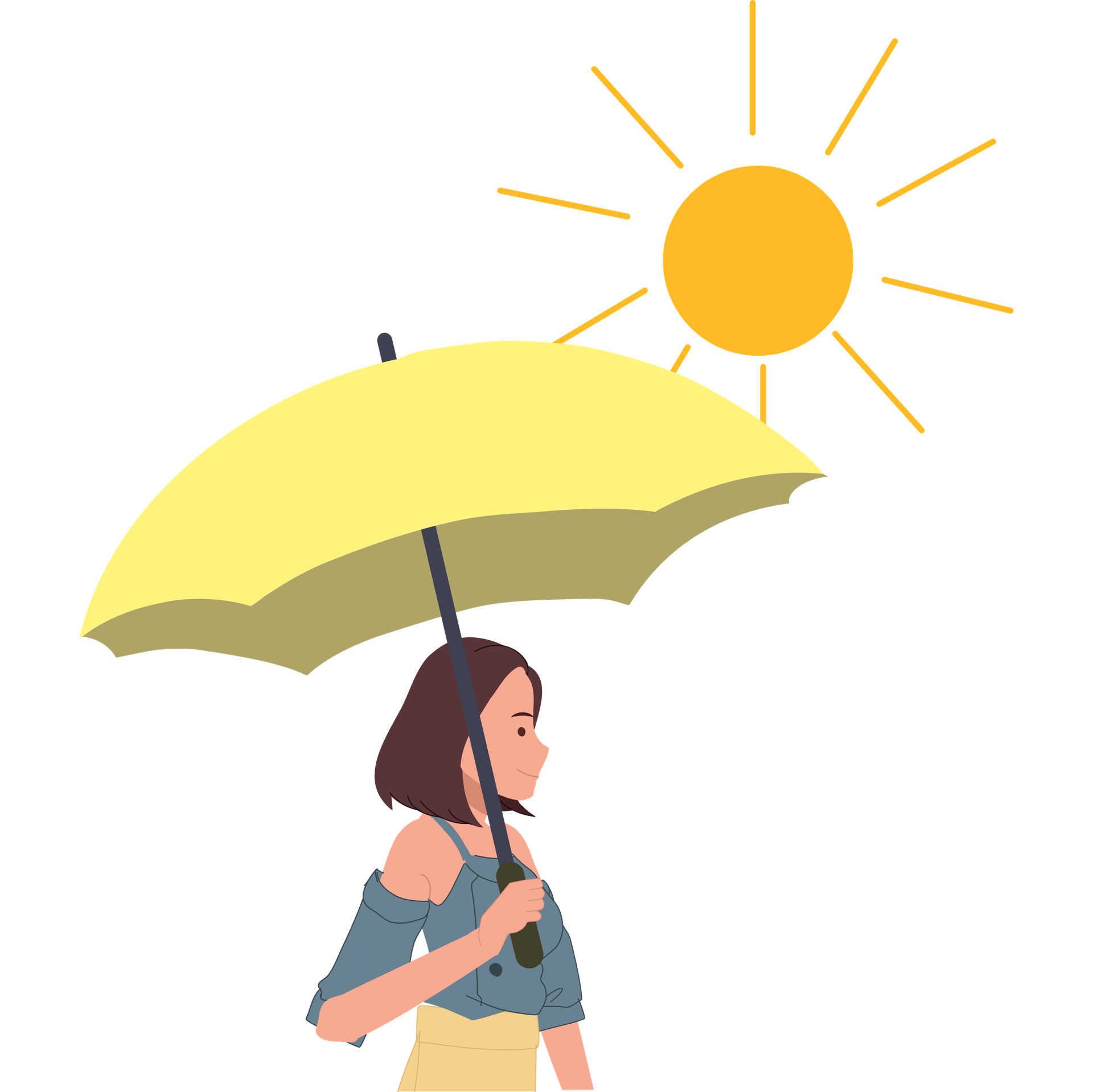
1. Zonnebrand is Slechts Eén Laag
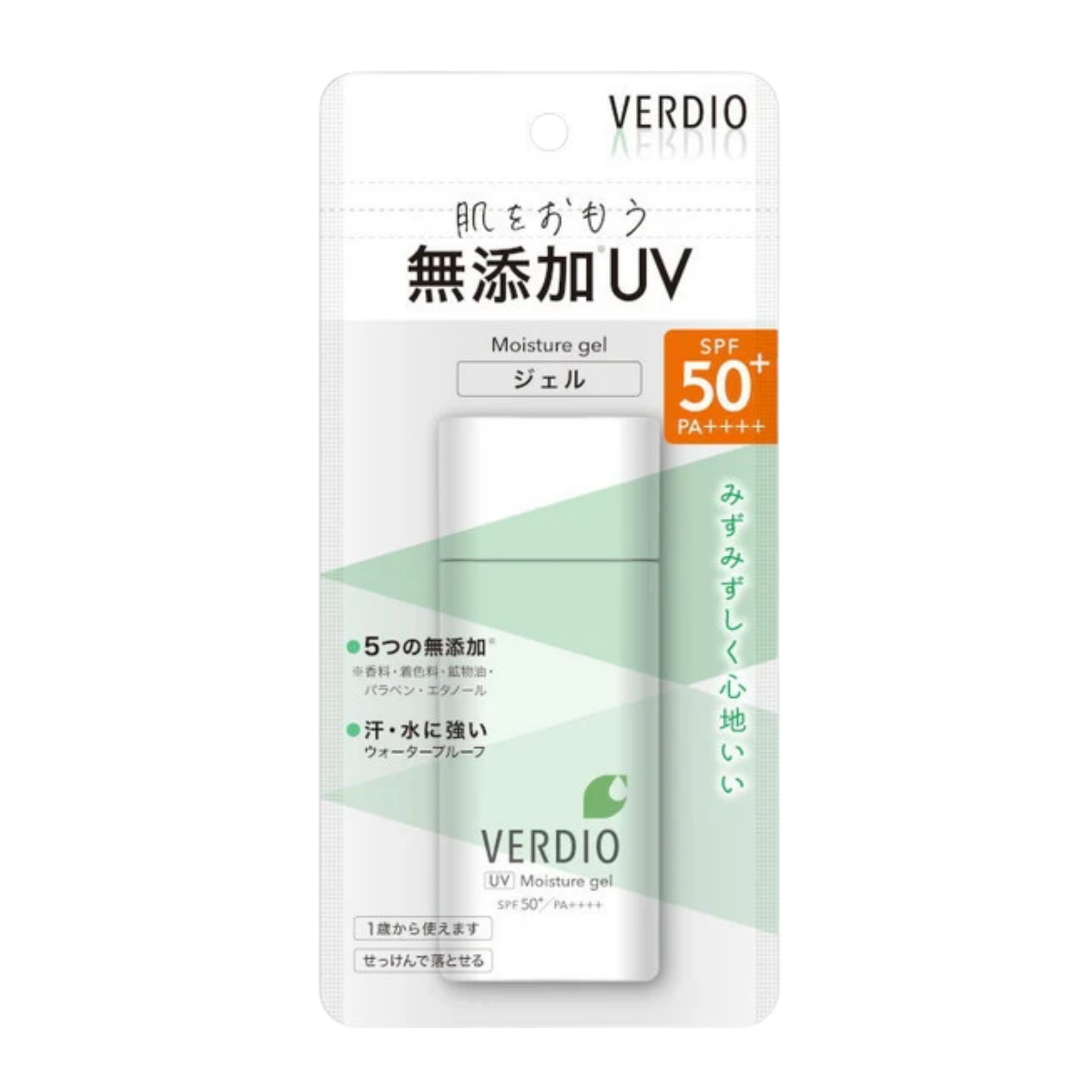
Japanse zonnebrandcrèmes zijn goed bekend om hun lichte texturen die zijn ontworpen om in een dagelijkse huidverzorgingsroutine te passen. Veel zijn beschikbaar als gels, essences, melk, sprays en sticks in plaats van alleen traditionele dikke crèmes.
Het belangrijke punt is echter niet waar een zonnebrandcrème is gemaakt. Zoek naar breedspectrum bescherming en gebruik voldoende product om een gelijkmatige laag te vormen.
Aanbrengen van zonnebrandcrème
Het Japanse Ministerie van Milieu raadt aan om zonnebrandcrème aan te brengen voordat je naar buiten gaat. Voor het gezicht suggereert de praktische gids om één laag aan te brengen en vervolgens de applicatie te herhalen om de dekking te verbeteren.
Het wordt ook aangeraden om ongeveer elke twee tot drie uur opnieuw aan te brengen, omdat zonnebrandcrème kan worden verwijderd door zweet, beweging, aanraken en handdoeken. De instructies van het product moeten altijd voorrang krijgen omdat de formuleringen verschillen.
2. De UV-Cut Parasol
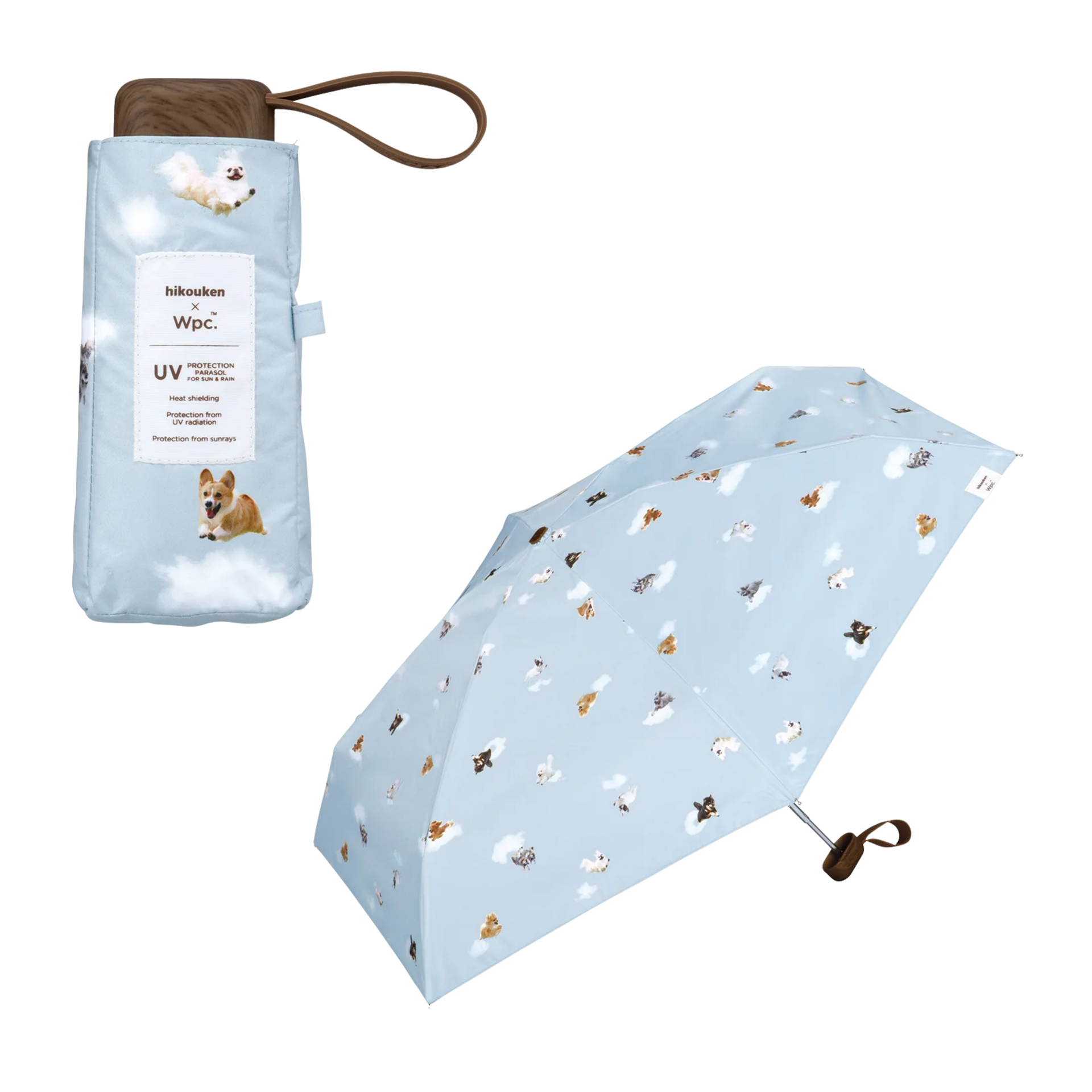
Een Japanse zonparasol wordt een higasa genoemd. In tegenstelling tot een typische regenparaplu is een UV-cut parasol ontworpen om draagbare schaduw te creëren en directe zonne-straling te verminderen.
Parasols zijn bijzonder nuttig omdat ze de hoofdhuid, het gezicht, de nek en het bovenlichaam beschermen zonder een extra laag kleding te vereisen. Ze kunnen ook warme omstandigheden comfortabeler maken.
Japans onderzoek suggereert dat de grootte, diepte, hoek en positionering van de parasol de effectiviteit beïnvloeden.
Belangrijke beperking
Een parasol beschermt voornamelijk het bovenlichaam, zodat gereflecteerde en verspreide UV-straling nog steeds de huid kan bereiken.
Het moet daarom worden gecombineerd met zonnebrandcrème en kleding in plaats van als volledige bescherming te worden beschouwd.
3. Armcovers, handschoenen en lange mouwen
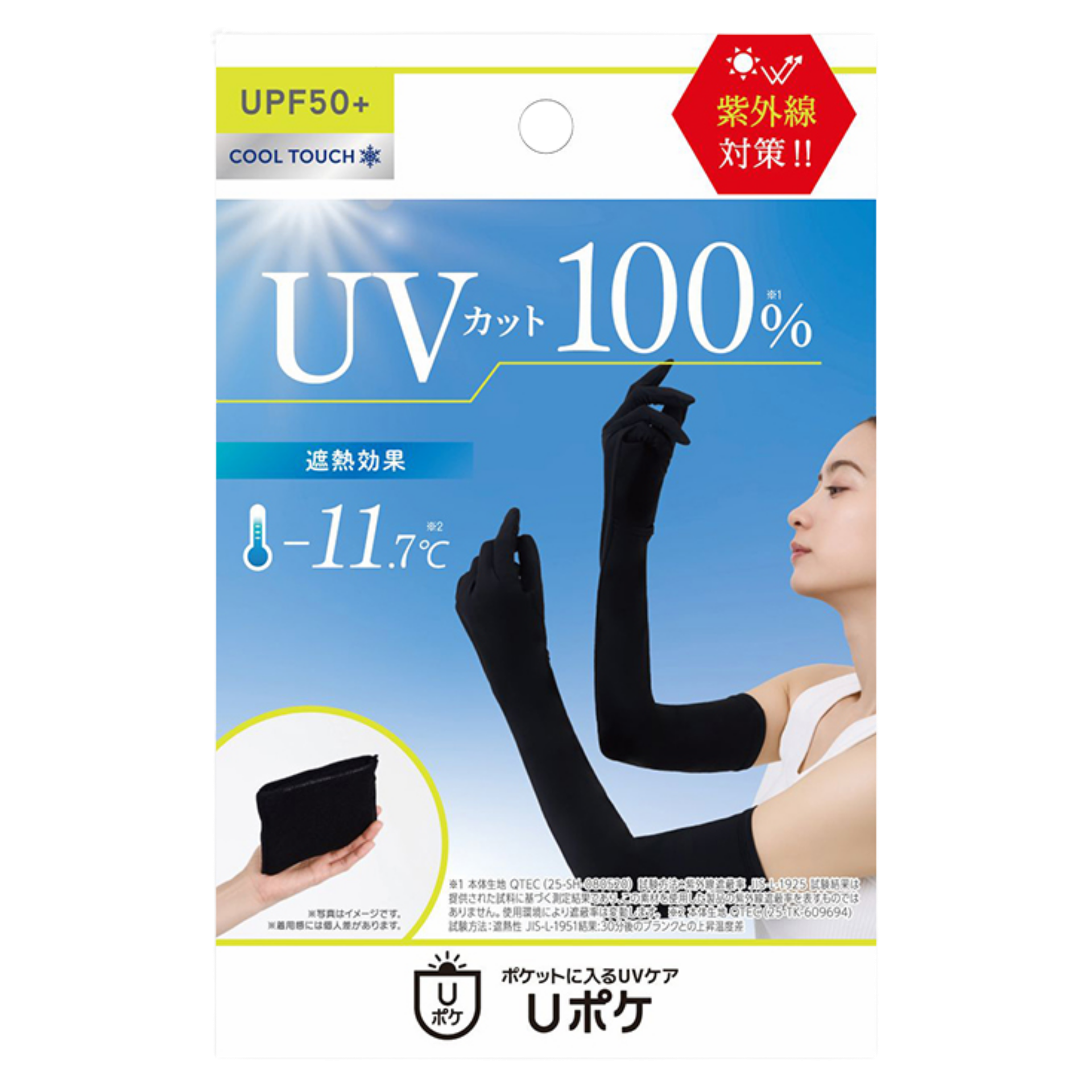
Japanse UV-armcovers zijn populair voor fietsen, autorijden, tuinieren en woon-werkverkeer. Ze beschermen gebieden waar zonnebrandcrème gemakkelijk kan afschuren en verminderen de noodzaak om herhaaldelijk crème over de hele arm aan te brengen.
Voor kleding is de constructie belangrijker dan alleen het bedekken van het lichaam. Strak geweven stoffen bieden over het algemeen betere bescherming dan los geweven stoffen. De bescherming kan afnemen wanneer de stof uitgerekt, nat, versleten of zeer dun wordt.
UPF50
Een kledingstuk met een UPF van 50 laat ongeveer één-vijftigste van de UV-straling door, wat betekent dat het ongeveer 98% blokkeert.
Donkere, dichte stoffen kunnen sterkere UV-bescherming bieden, maar kunnen ook warmer aanvoelen, dus speciaal ontworpen ademende UV-kleding kan praktischer zijn in de zomer.
4. Hoeden die meer dan het voorhoofd beschermen

Een baseballpet beschermt een deel van het gezicht, maar laat de oren, zijkanten van de wangen en de nek bloot. Een hoed met een brede rand biedt een completere bescherming.
Praktische bescherming
De beste optie is er een die comfortabel genoeg is om consistent te dragen.
Een technisch uitstekende hoed biedt weinig voordeel als deze thuis blijft omdat hij te zwaar, heet of onhandig is.
5. De UV-index controleren
De Japanse Meteorologische Dienst publiceert uurlijks UV-analyses en nationale kaarten die zijn berekend met informatie zoals ozonlevels en zonlichtomstandigheden. Dit maakt het gemakkelijker om buitensportactiviteiten te plannen op basis van de werkelijke UV-intensiteit in plaats van alleen de temperatuur.
De UV-index is vooral nuttig omdat warm weer en sterke UV niet hetzelfde zijn. Een koele, heldere dag kan de huid nog steeds blootstellen aan significante straling.
Drie interessante Japanse UV-beschermings feiten
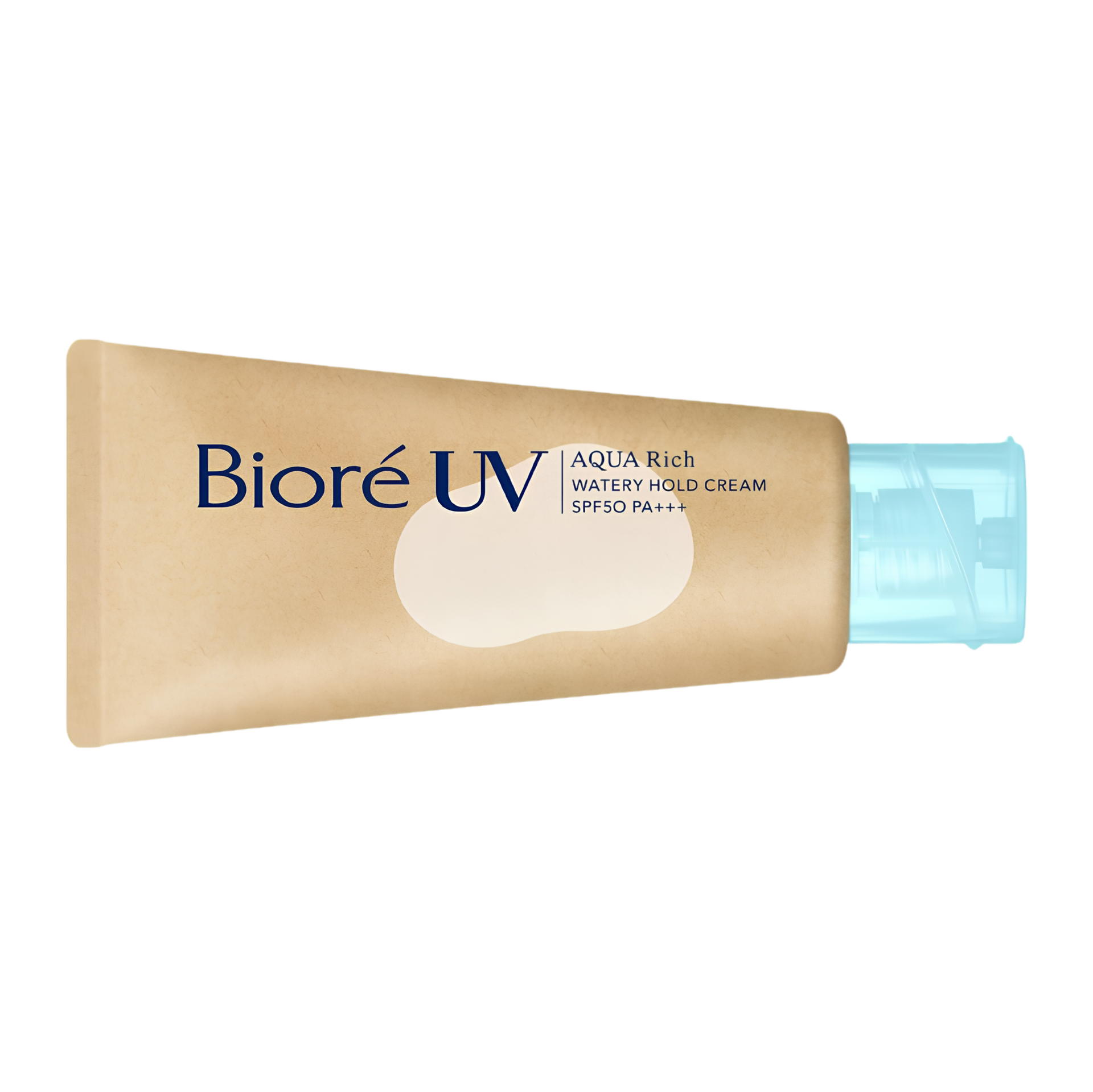
Japan hielp de PA-zonnebrandbeoordeling te pionieren
De PA-symbolen die op Japanse en andere Aziatische zonnebrandmiddelen worden gezien, verwijzen naar bescherming tegen UVA.
De Japan Cosmetic Industry Association introduceerde in 1995 een standaard voor UVA-testen en -labeling. De PA++++-categorie werd in 2013 toegevoegd om zeer hoge UVA-bescherming aan te geven. SPF en PA beschrijven daarom verschillende aspecten van de prestaties van een zonnebrandcrème: SPF heeft voornamelijk betrekking op UVB, terwijl PA betrekking heeft op UVA.
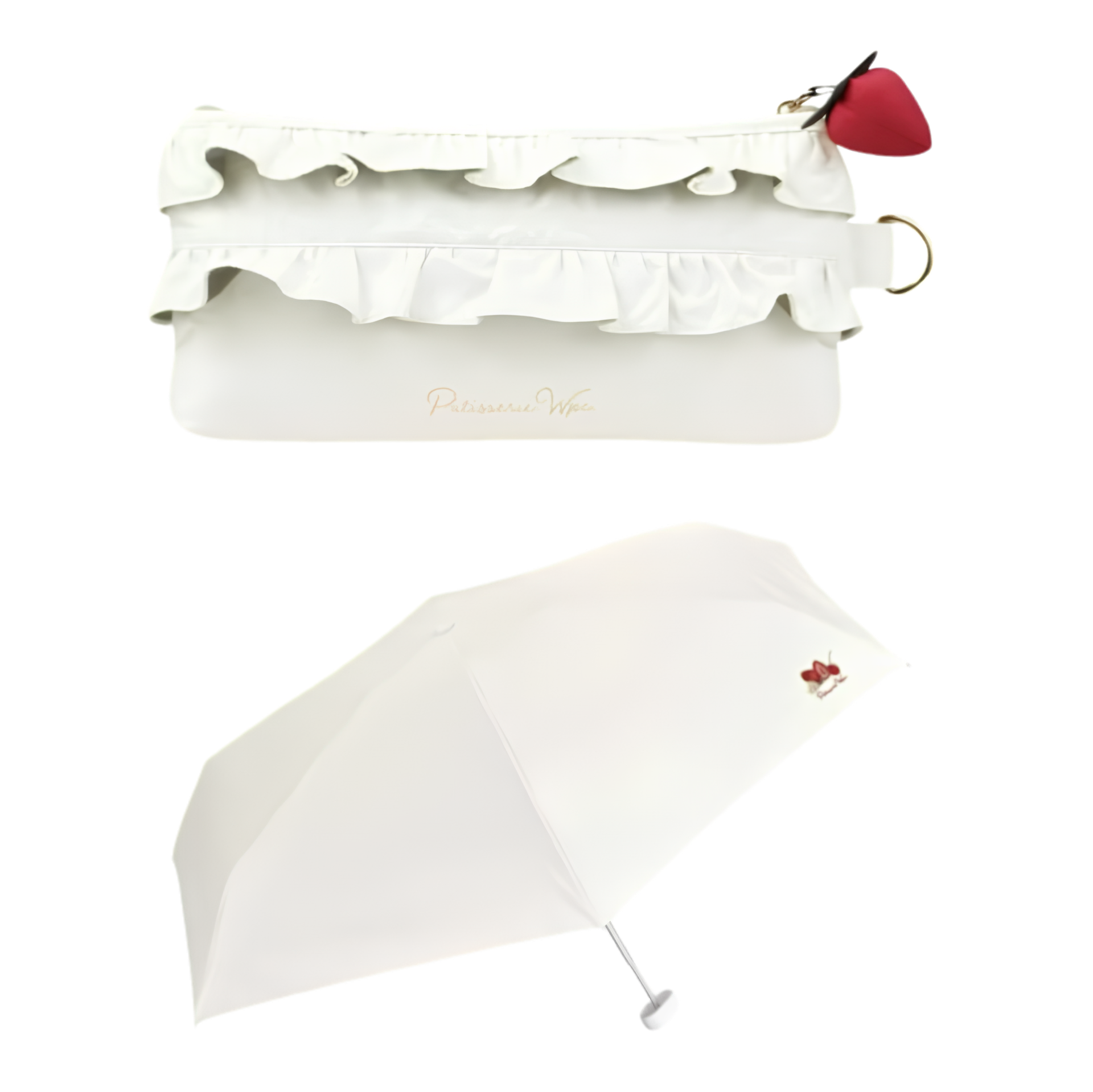
Een parasol kan helpen tegen hitte en UV
Het Japanse Ministerie van Milieu heeft parasols gepromoot, niet alleen voor UV-bescherming, maar ook als maatregel tegen hitte-stress.
Velddemonstraties hebben aangetoond dat schaduw van een parasol de gemeten hitte-stressomstandigheden met ongeveer 1–3°C kan verminderen. In een kleine gecontroleerde studie met zes mannen was een hitte-blockerende parasol geassocieerd met ongeveer 17% minder zweten in vergelijking met het dragen van een hoed. Dit waren beperkte experimenten in plaats van bewijs dat elke parasol hetzelfde resultaat oplevert, maar ze helpen uitleggen waarom zonneschermen zo praktisch zijn tijdens de Japanse zomers.
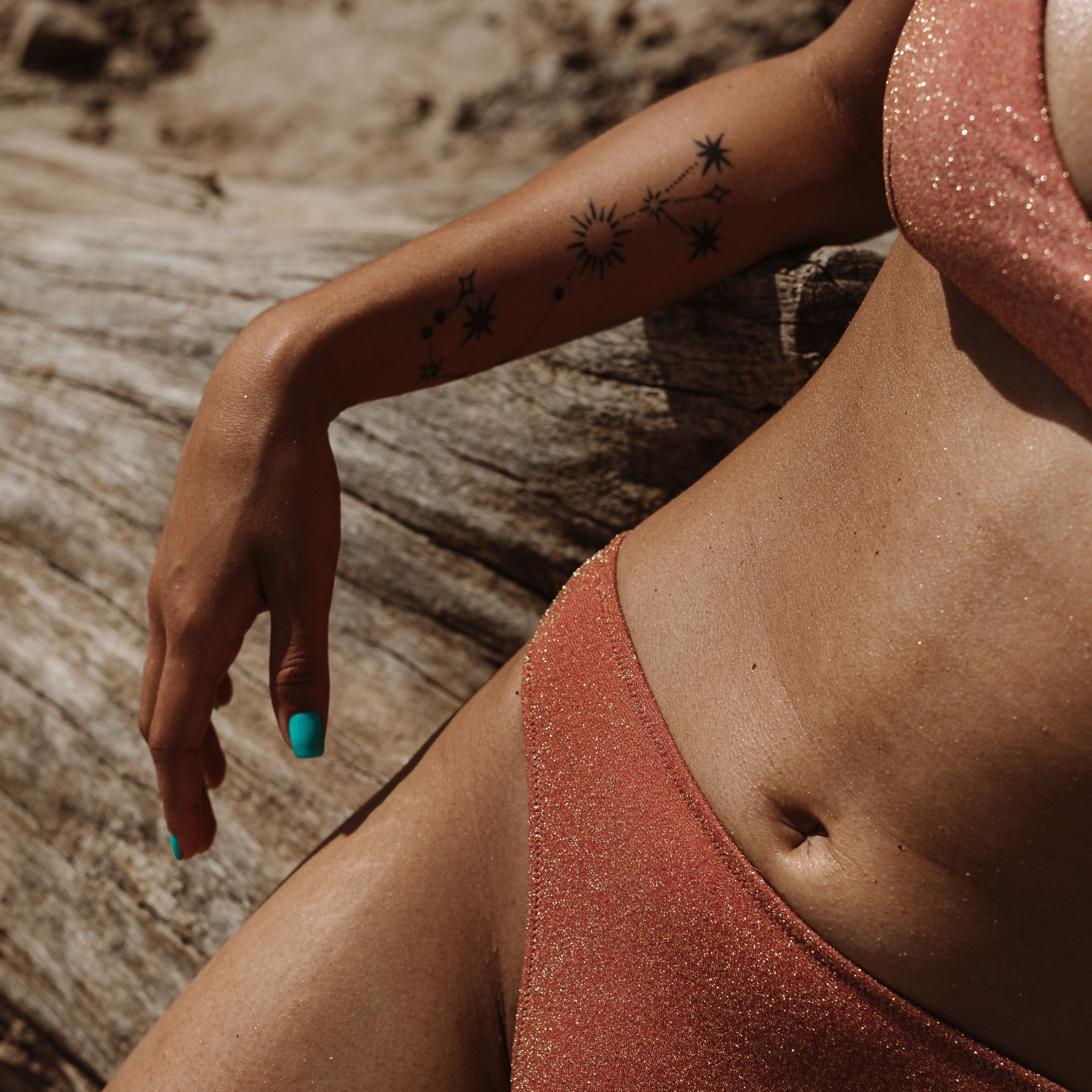
Een tan biedt zeer weinig bescherming
Een tan wordt soms beschreven als de "natuurlijke zonnebrandcrème" van de huid, maar de bescherming is uiterst beperkt. De WHO schat dat een tan bij lichte huid slechts bescherming biedt die gelijkstaat aan ongeveer SPF 2–4. Het is ook bewijs dat de huid heeft gereageerd op eerdere UV-schade.
Een praktische door Japan geïnspireerde UV-routine
Voordat u naar buiten gaat
Controleer de UV-index in plaats van te vertrouwen op temperatuur of bewolking.
Breng een breed spectrum zonnebrandcrème aan op het gezicht, de oren, de nek, de borst, de handen en andere blootgestelde huid. Breng het gelijkmatig aan en laat het intrekken voordat je vertrekt.
Voltooi de routine met de bescherming die het meest geschikt is voor de dag:
- UV-cut parasol voor wandelen en woon-werkverkeer
- Armhoezen of handschoenen voor fietsen en autorijden
- Breedgerande hoed voor langere buitenperiodes
- Zonnebril met gecertificeerde UVA- en UVB-bescherming
- Lichte lange mouwen voor langdurige blootstelling
Tijdens de dag
Breng zonnebrandcrème ongeveer elke twee uur opnieuw aan tijdens buitenactiviteiten en eerder na het zwemmen, hevig zweten of afdrogen met een handdoek. De Japanse richtlijnen voor de volksgezondheid geven een praktische interval van ongeveer twee tot drie uur, afhankelijk van de activiteit en hoe gemakkelijk het product is verwijderd.
Vergeet niet vaak gemiste gebieden zoals:
- Oren
- Haarlijn
- Achterkant en zijkanten van de nek
- Bovenste borst
- Handen
- Bovenkant van de voeten
- Gebied rond zonnebril en randen van kleding
Na zonblootstelling
Nazorg voor de huid na zonblootstelling kan comfort en hydratatie ondersteunen, maar het kan DNA-schade niet ongedaan maken of overmatige blootstelling onschadelijk maken.
Een zachte reiniger, hydraterende lotion en barrière-ondersteunende crème kunnen helpen wanneer de huid droog aanvoelt. Producten met verzachtende of hydraterende ingrediënten kunnen nuttig zijn, maar preventie blijft effectiever dan het proberen te corrigeren van gevestigde zonbeschadiging.
UV-bescherming moet comfortabel genoeg zijn om te herhalen
De meest effectieve UV-routine is niet noodzakelijkerwijs degene met het grootste aantal producten. Het is degene die je consequent zult gebruiken.
Voor de ene persoon kan dat zonnebrandcrème en een zonnebril betekenen. Voor een ander kan het een parasol, armhoezen en een lichte jas omvatten. De Japanse zonverzorgingscultuur laat zien hoe bescherming een onderdeel kan worden van kleding, accessoires en dagelijkse gewoonten in plaats van een ongemakkelijke taak die voorbehouden is aan strandvakanties.
De huid beschermen betekent niet bang worden voor de zon. Het betekent genieten van de buitenlucht terwijl je vermijdbare schade vermindert.
Draag het. Neem het mee. Breng het aan. Laag het.
Veelgestelde Vragen Over UV-bescherming
Wat doet UV-straling met de huid?
UV-straling kan zonnebrand, bruining, ontsteking, pigmentatie veroorzaken, voortijdige veroudering en DNA-schade. Herhaalde blootstelling verhoogt het risico van verschillende soorten huidkanker. Schade kan optreden voordat de huid wordt zichtbaar rood.
Wat is het verschil tussen UVA en UVB?
UVA dringt dieper door en wordt sterk geassocieerd met pigmentatie en voortijdige huidveroudering. UVB is de belangrijkste oorzaak van zonnebrand. Beide kunnen DNA beschadigen en bijdragen aan huidkanker, dus zonnebrandcrème moet breed-spectrum bescherming bieden.
Wat betekent PA++++ op Japanse zonnebrandcrème?
PA geeft het niveau van bescherming tegen UVA aan. Meer plustekens geeft een hoger getest niveau van UVA-bescherming aan, met PA++++ die de hoogste categorie in het huidige Japanse systeem vertegenwoordigt. PA++++ werd in Japan geïntroduceerd in 2013.
Is SPF 30 of SPF 50 beter?
SPF 50 biedt meer geteste UVB-bescherming dan SPF 30, maar geen van beide blokkeert alle UV-straling. Een correct aangebrachte breed-spectrum SPF 30 kan voldoende zijn voor veel dagelijkse situaties, terwijl SPF 50 of hoger kan nuttig zijn tijdens langdurige of intense blootstelling. Toepassingshoeveelheid, dekking en heraanbrengen zijn net zo belangrijk als het nummer op de verpakking.
Heb ik zonnebrandcrème nodig op bewolkte dagen?
Ja, wanneer de UV-index hoog genoeg is. Wolken kunnen sommige straling, maar UV-niveaus kunnen significant blijven onder bewolking. Controleer de UV-index in plaats van het risico te beoordelen op basis van zichtbare zonneschijn alleen.
Kan UVA door ramen heen?
Gewoon glas blokkeert de meeste UVB, maar kan een betekenisvolle hoeveelheid van UVA om door te dringen. Bescherming kan daarom nuttig zijn tijdens langdurig rijden of wanneer je regelmatig naast een helder raam zit.
Hoe vaak moet zonnebrandcrème opnieuw worden aangebracht?
Een algemene aanbeveling is ongeveer elke twee uur tijdens buiten blootstelling. Breng eerder opnieuw aan na het zwemmen, zweten, wrijven de huid of een handdoek. Het Japanse Ministerie van Milieu raadt aan om ongeveer elke twee tot drie uur opnieuw aan te brengen afhankelijk van de activiteit.
Is een UV-parasol genoeg zonder zonnebrandcrème?
Geen enkele methode biedt volledige bescherming. Een parasol biedt voornamelijk schaduwt het hoofd en het bovenlichaam, terwijl verspreide en gereflecteerde UV mogelijk bereiken nog steeds blootgestelde huid. Combineer het met zonnebrandcrème, kleding en andere beschermende accessoires.
Kun je nog steeds bruin worden terwijl je zonnebrandcrème draagt?
Ja. Zonnebrandcrème vermindert UV-blootstelling maar blokkeert niet 100% van de straling. Gemiste gebieden, te weinig product gebruiken, zweten en het niet opnieuw aanbrengen vermindert ook de prestaties. Een tan is nog steeds bewijs dat de huid is blootgesteld aan schadelijke straling.
Heeft een donkere huid UV-bescherming nodig?
Ja. Meer melanine kan de kans op zichtbare zonnebrand verminderen, maar mensen van elke huidtint kunnen UV-gerelateerde DNA-schade ervaren, pigmentatie, voortijdige veroudering en oogschade.
Voorkomt zonnebrandcrème dat het lichaam vitamine D produceert?
UVB bijdraagt aan de productie van vitamine D, maar opzettelijke onbeschermde bruin worden wordt niet beschouwd als een veilige manier om aan de vitamine D-behoefte te voldoen omdat het verhoogt ook de huidbeschadiging. Mensen die zich zorgen maken over een tekort moet dieet, supplementen en geschikte tests bespreken met een gezondheidsprofessional in plaats van opzettelijk UV blootstelling.
Op welke leeftijd moet zonbescherming beginnen?
Bescherming moet beginnen in de kindertijd. UV-gerelateerde schade die zich ophoopt vroeg in het leven kan bijdragen aan gezondheidseffecten die vele jaren later verschijnen later. Baby's en kinderen moeten voornamelijk worden beschermd met schaduw, kleding en hoeden, met zonnebrandcrème geselecteerd en gebruikt volgens leeftijdspecifieke medische en productrichtlijnen.
Helpt zonnebrandcrème rimpels te voorkomen?
Regelmatig gebruik van zonnebrandcrème kan helpen om zichtbare fotoveroudering te vertragen. In een randomized trial, deelnemers toegewezen aan dagelijks gebruik van zonnebrandcrème toonden 24% minder huidveroudering over vier en een half jaar dan degenen zichzelf naar eigen inzicht zonnebrandcrème gebruiken.
Zijn UV-beschermende kledingstukken beter dan normale kleding?
Hun effectiviteit hangt af van de dichtheid van de stof, de constructie, conditie en pasvorm. Getest UPF-kleding biedt duidelijkere informatie over prestaties. UPF 50-stof blokkeert ongeveer 98% van de UV straling wanneer gebruikt onder de geteste omstandigheden.
Dit artikel is voorbereid met informatie van de Wereldgezondheidsorganisatie, de Japanse Meteorologische Dienst, het Japanse Ministerie van Milieu, de Japanse Cosmetica-industrie Associatie en peer-reviewed wetenschappelijk onderzoek. Bevindingen uit consumentenonderzoek in Japan worden afzonderlijk geïdentificeerd en moeten worden begrepen als enquêtegegevens in plaats van medisch bewijs.
Dit artikel is bedoeld voor algemene educatieve doeleinden en vervangt geen gepersonaliseerd medisch advies.


![Yunth Pure PDRN Serum 1g × 28 Sachets – 20,000 ppm PDRN & Astaxanthin [Alcohol-Free]](http://wabisabi-store.jp/cdn/shop/files/81ZNv5HVMeL._AC_SL1500.jpg?v=1791616706&width=700)
