




![Fino Premium Touch Rich Serum Hair Mask – Deep Repair & Silky Smooth Hair 230g [With alcohol]](http://wabisabi-store.jp/cdn/shop/products/Bestseller-Maska-do-wlosow-silnie-odbudowujaca-FINO-Premium-Touch-od-Shiseido-300g-Shiseido.jpg?v=1630161222&width=500)
![Fino Premium Touch Rich Serum Hair Mask – Deep Repair & Silky Smooth Hair 230g [With alcohol]](http://wabisabi-store.jp/cdn/shop/products/Bestseller-Maska-do-wlosow-silnie-odbudowujaca-FINO-Premium-Touch-od-Shiseido-300g-Shiseido-2.jpg?v=1630161222&width=600)
![Shiseido KOTO Fancy Powder (Pressed) – Perfumed Powder for Luxurious Body Care 110g [Alcohol-free]](http://wabisabi-store.jp/cdn/shop/files/31OSYGq2h5L.jpg?v=1736363998&width=500)
![Shiseido KOTO Fancy Powder (Pressed) – Perfumed Powder for Luxurious Body Care 110g [Alcohol-free]](http://wabisabi-store.jp/cdn/shop/files/31XhNJ9JhPL._AC.jpg?v=1736363999&width=421)
![Pelican Soap - *Dermo Cosmetic* Soap with Shibu Kaki/Persimmons eliminating unpleasant odor and acne 80gx2 [Alcohol-free]](http://wabisabi-store.jp/cdn/shop/files/4976631479392.jpg?v=1724311362&width=700)
![KOKURYU - *DERMO COSMETIC* Strongly moisturizing and rejuvenating cream 70g [Alcohol-free]](http://wabisabi-store.jp/cdn/shop/products/4901477011802.webp?v=1668064918&width=700)
![KOKURYU - *DERMO COSMETIC* Strongly moisturizing and rejuvenating cream 70g [Alcohol-free]](http://wabisabi-store.jp/cdn/shop/products/item14_1_02.jpg?v=1668064922&width=700)

![BESTSELLER-SUHADA KINENBI - NEW VERSION! Nourishing powder-serum for night and day 10g [Alcohol-free]](http://wabisabi-store.jp/cdn/shop/files/DAF67291-C3CC-454C-99E2-09D3A6DADA00.jpg?v=1709277760&width=560)
![BESTSELLER-SUHADA KINENBI - NEW VERSION! Nourishing powder-serum for night and day 10g [Alcohol-free]](http://wabisabi-store.jp/cdn/shop/files/8CA613BC-1818-4BF1-BC97-F8A9F2D1AD3D.jpg?v=1709364150&width=700)
2025 Japan Stationery Award
Japan Stationery Awards 2025 – Full Winners List, Reviews & Why Japan Still Leads the World in Stationery
Every year Japan quietly does something no other country manages: it reinvents paper and pen culture.
While much of the world moved toward tablets and digital planners, Japan doubled down — not with nostalgia, but with innovation. The Japan Stationery Awards (文房具屋さん大賞 / Bunbōguyasan Taishō) have become one of the most important consumer-driven product awards in the stationery industry, and the 2025 edition may be the most interesting yet.
Unlike design competitions judged by designers, this award is voted on by actual stationery store staff — the people who handle thousands of products and see what customers genuinely fall in love with.
In other words: these aren’t theoretical winners. These are the items people actually use.
Below is a full breakdown of every major winner — and why they matter.
Grand Prize
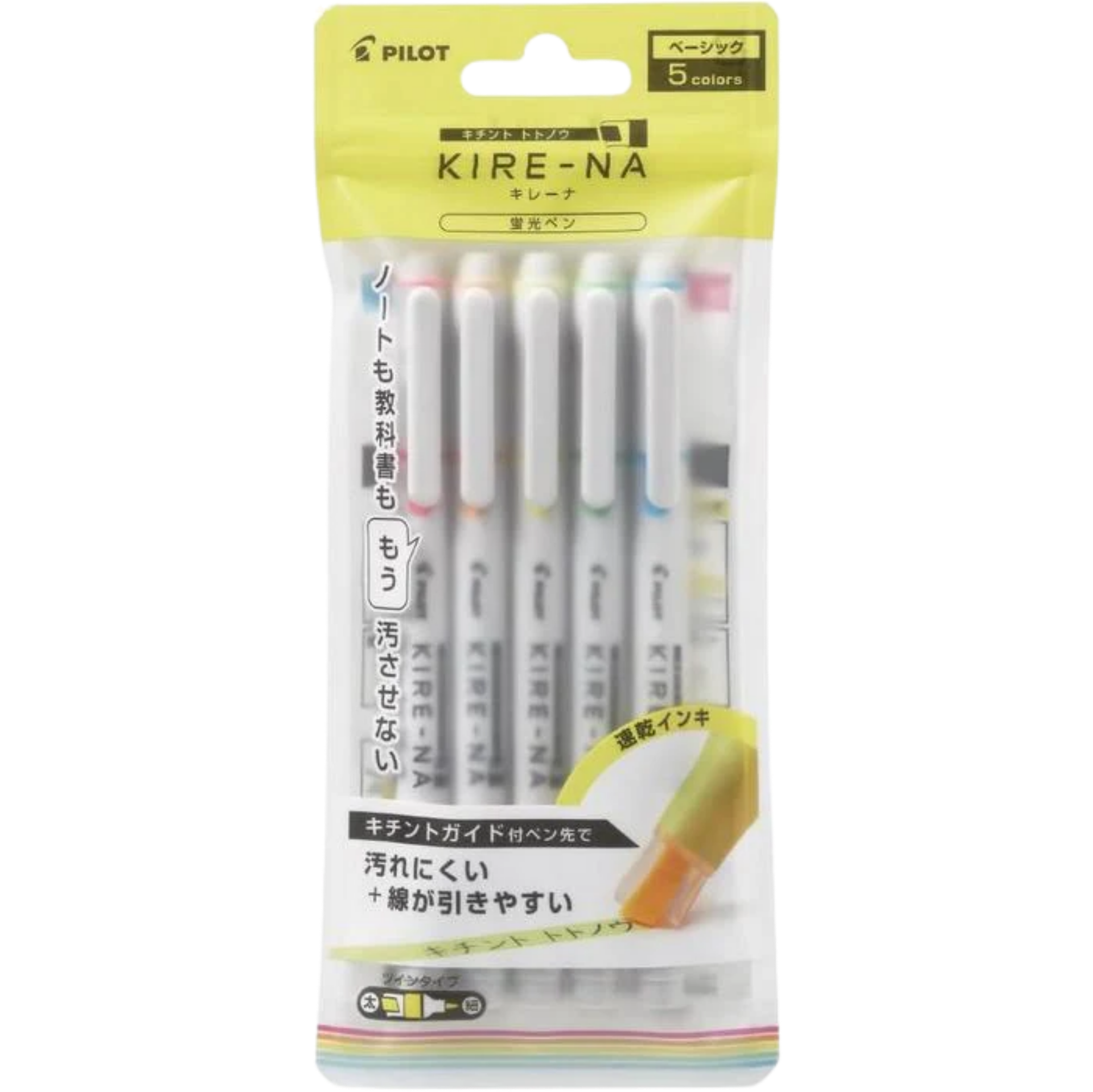
Pilot “Kire-Na” Double-Sided Highlighters
The Grand Prize didn’t go to a luxury fountain pen or premium notebook.
It went to a highlighter — and that tells you a lot about Japan.
The Pilot Kire-Na solves a very specific frustration:
normal highlighters smudge, bleed, or cover handwriting unevenly. The Kire-Na uses two different tips and a specially tuned ink flow so the color lays behind your writing instead of overpowering it.
Works on planners and Hobonichi-type paper
Idea Award
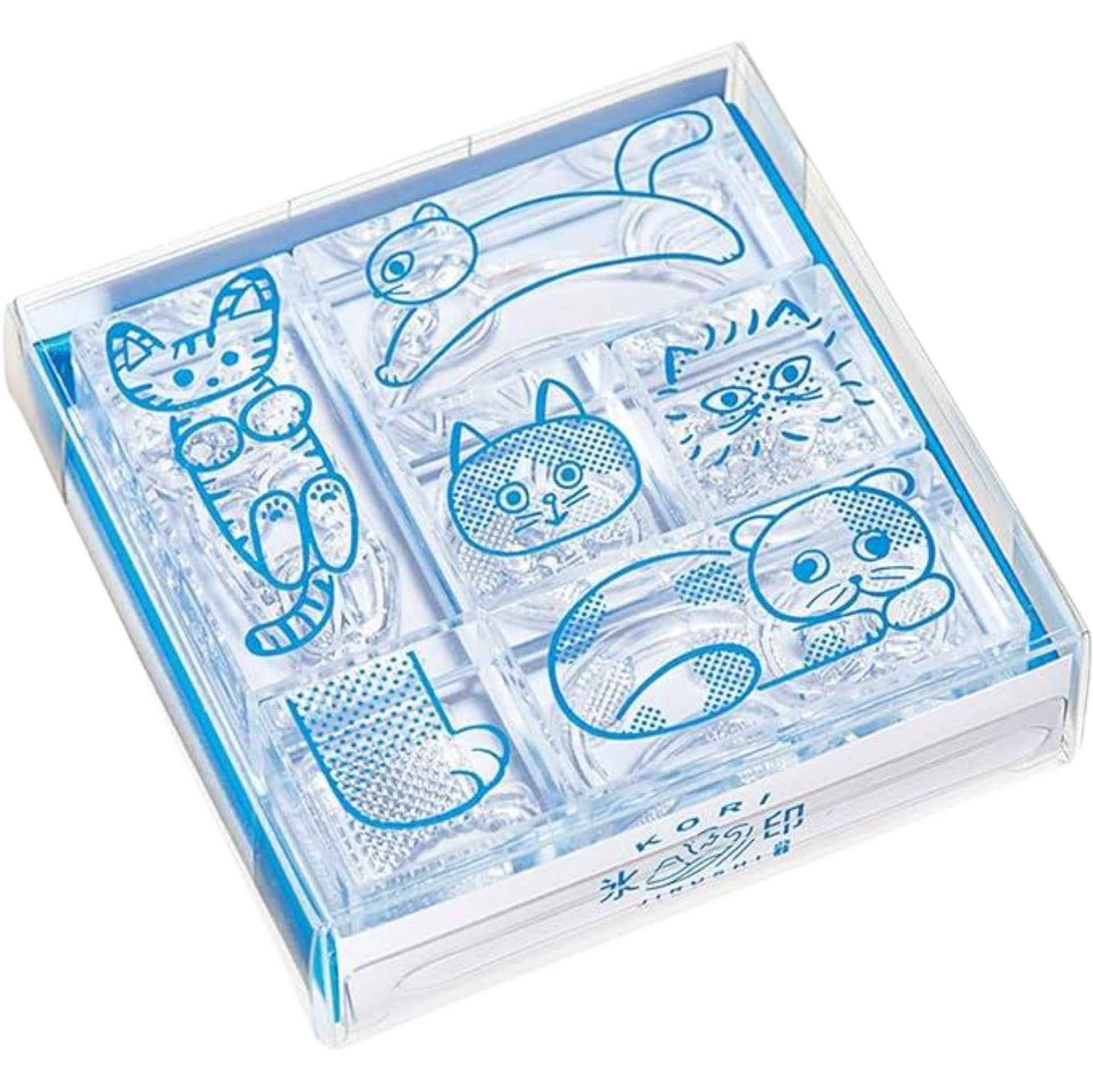
King Jim “Kori Jirushi” Clear Stamps
These look simple… until you use them.
Traditional stamps require precise positioning.
The Kori Jirushi stamps are transparent silicone stamps mounted on a clear base — meaning you see exactly where the design will land.
They became instantly popular with:
-bullet journal users
-planner decorators
-teachers and students
Functionality Award
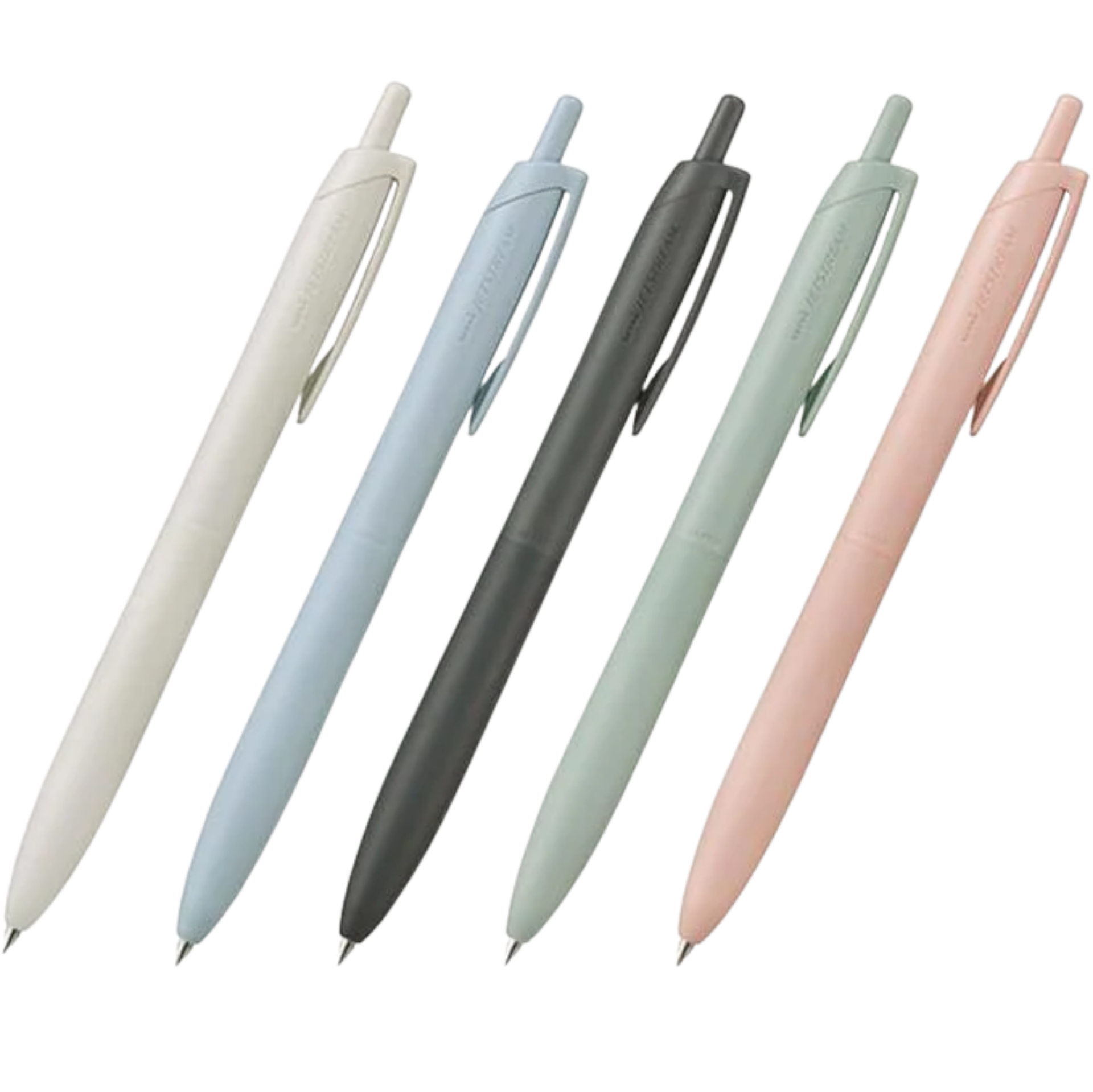
Uni Jetstream Lite Touch Ink Ballpoint Pens
If you ask Japanese office workers what pen they actually carry, many will answer one word:
Jetstream.
The Lite Touch Ink version improves the already famous low-viscosity ink by reducing friction even further. It writes almost like a gel pen but dries like a ballpoint.
Why it matters:
-extremely smooth
-no hand fatigue
-left-hand friendly
-dries quickly (important in Japanese paperwork)
This is the closest thing Japan has to a “national office pen.”
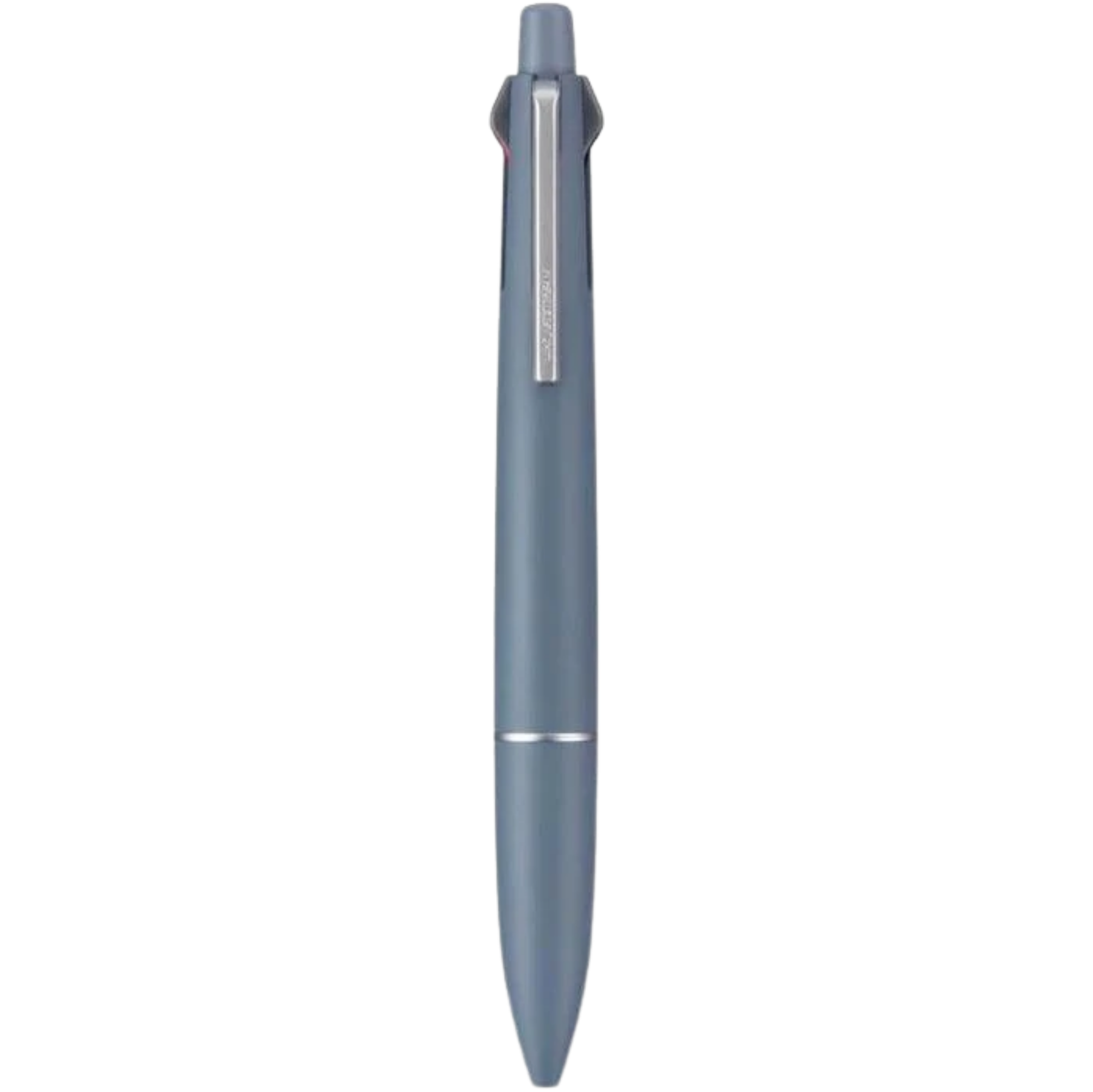
Multi-Pen Award
Uni Jetstream Lite Touch Ink 4&1 Multi Pens
Japan loves multifunction tools. A single pen containing:
-4 ink colors
-mechanical pencil
The 4&1 became the ultimate student and office survival pen — especially in environments where color-coded notes are standard.
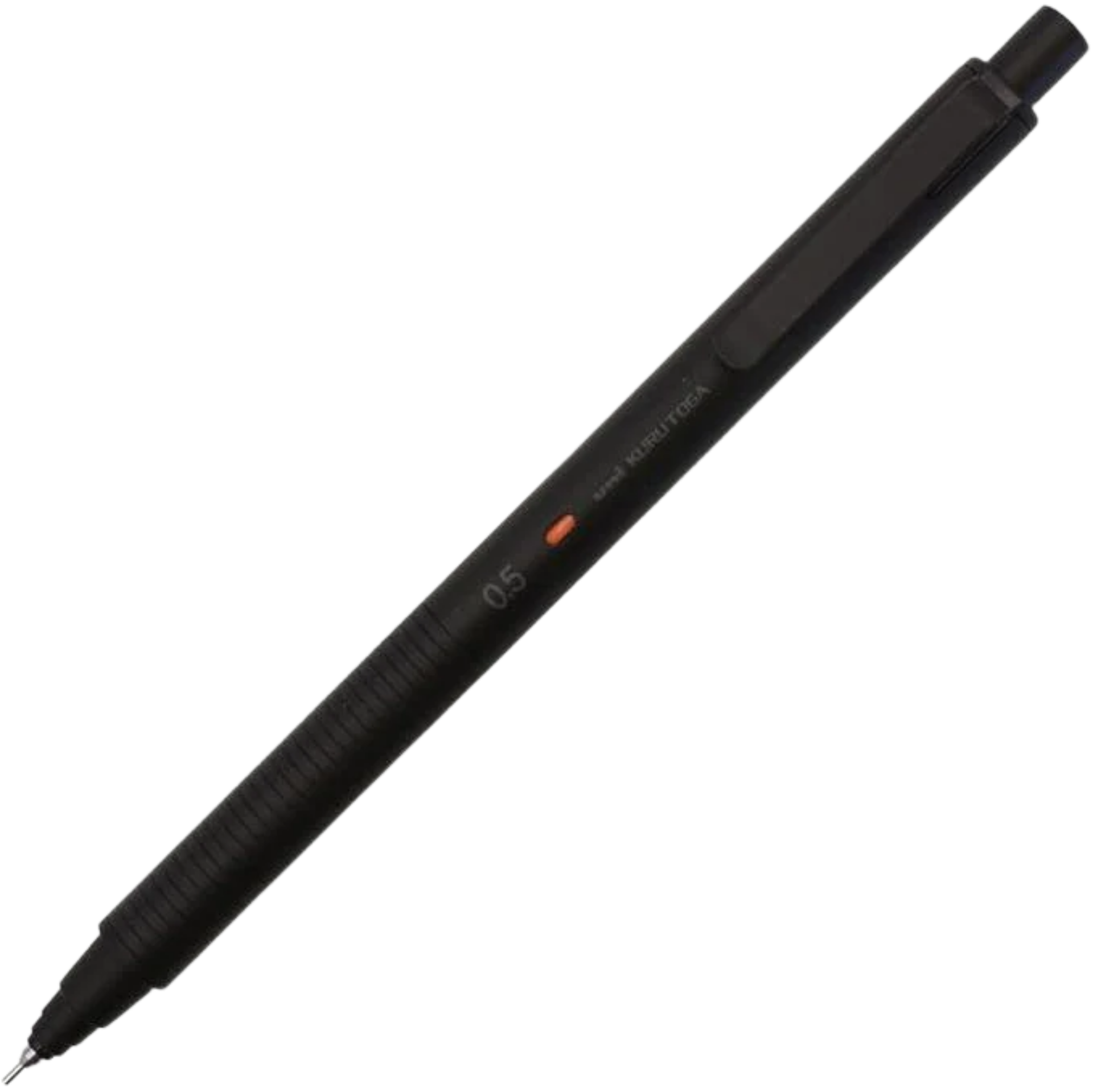
Mechanical Pencil Award
Uni Kuru Toga Metal Mechanical Pencil
The Kuru Toga mechanism rotates the lead every time you press the pencil down.
Result:
The tip never becomes flat.
You always write with a sharp edge — producing consistent, precise lines.
The 2025 metal version finally added a premium body to a cult-favorite mechanism.
Students preparing for exams in Japan use mechanical pencils more than pens — which is why this category is always highly competitive.
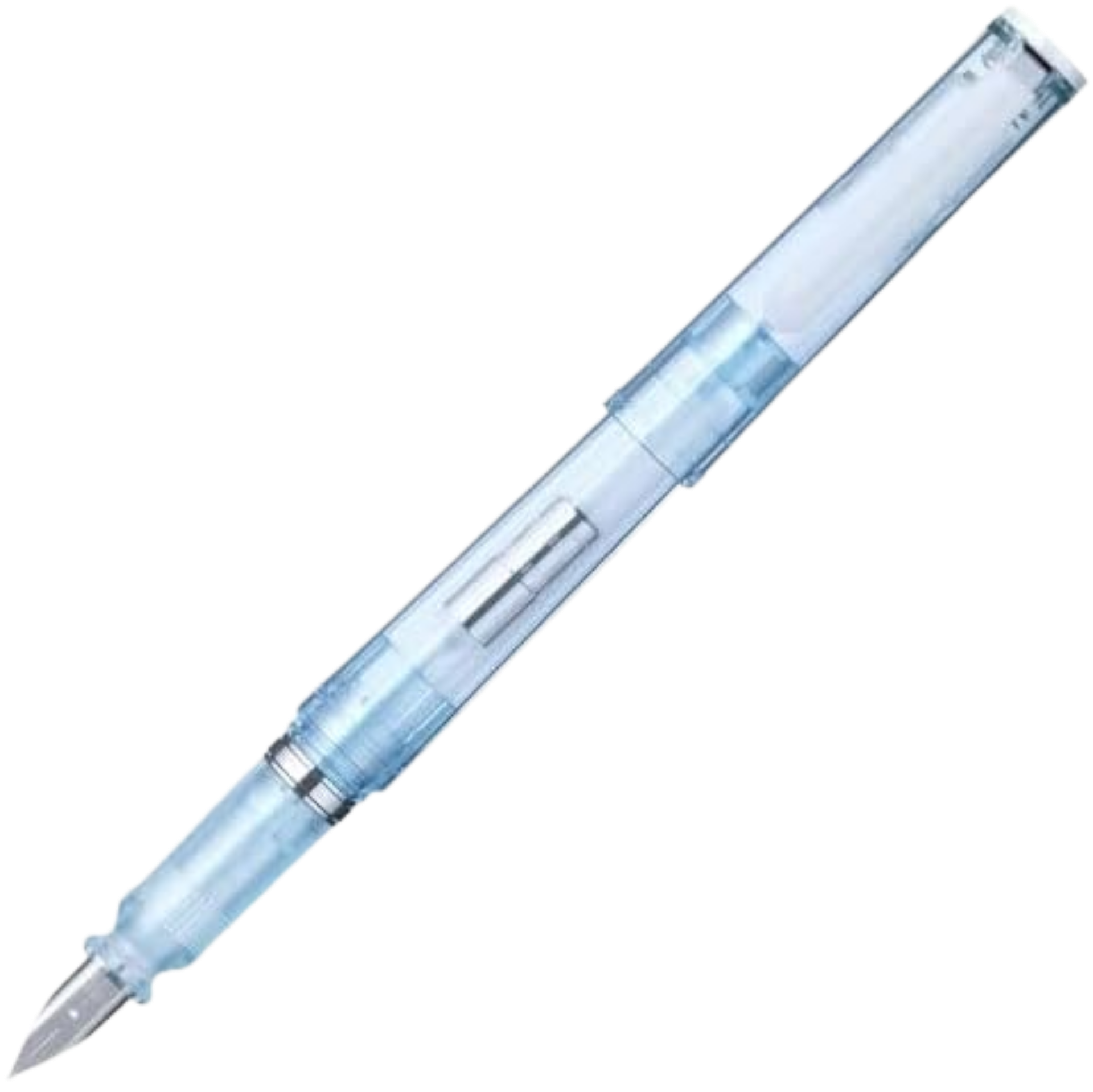
Fountain Pen Award
Sailor Compass “TUZU Adjust” Fountain Pens
Fountain pens usually intimidate beginners.
Sailor solved that.
The TUZU Adjust allows users to change the nib angle relative to the grip — meaning you can correct your writing posture without learning traditional calligraphy technique.
This is a major step toward making fountain pens accessible to everyday users, not only enthusiasts.
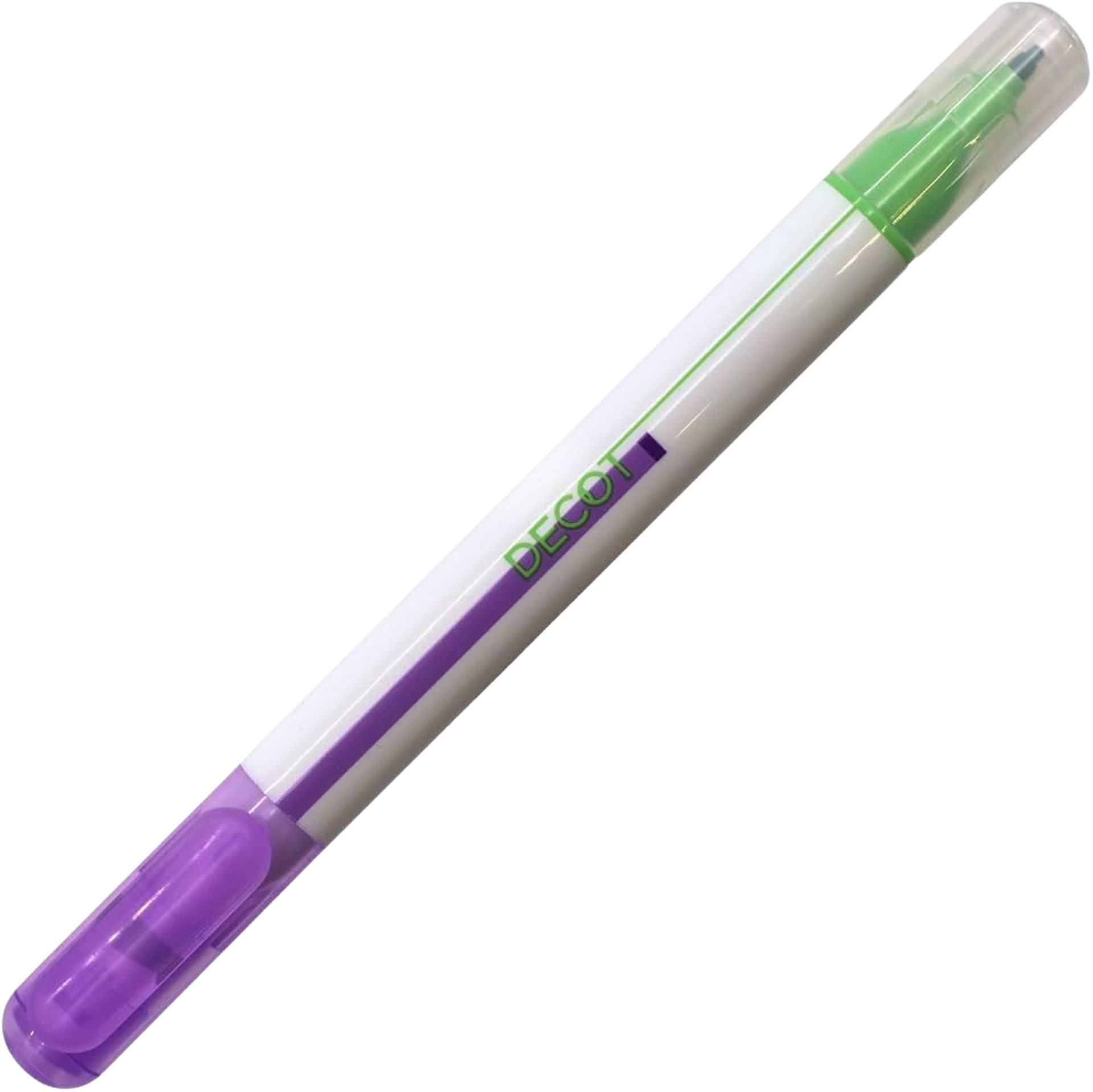
Color Pen Award
Sun-Star “Decot” Overwriting Markers
These markers can write on top of other ink without smearing it.
That sounds small — but it changes how planners and notes can be edited.
Students can correct notes visually instead of rewriting pages.
Pencil Case Award
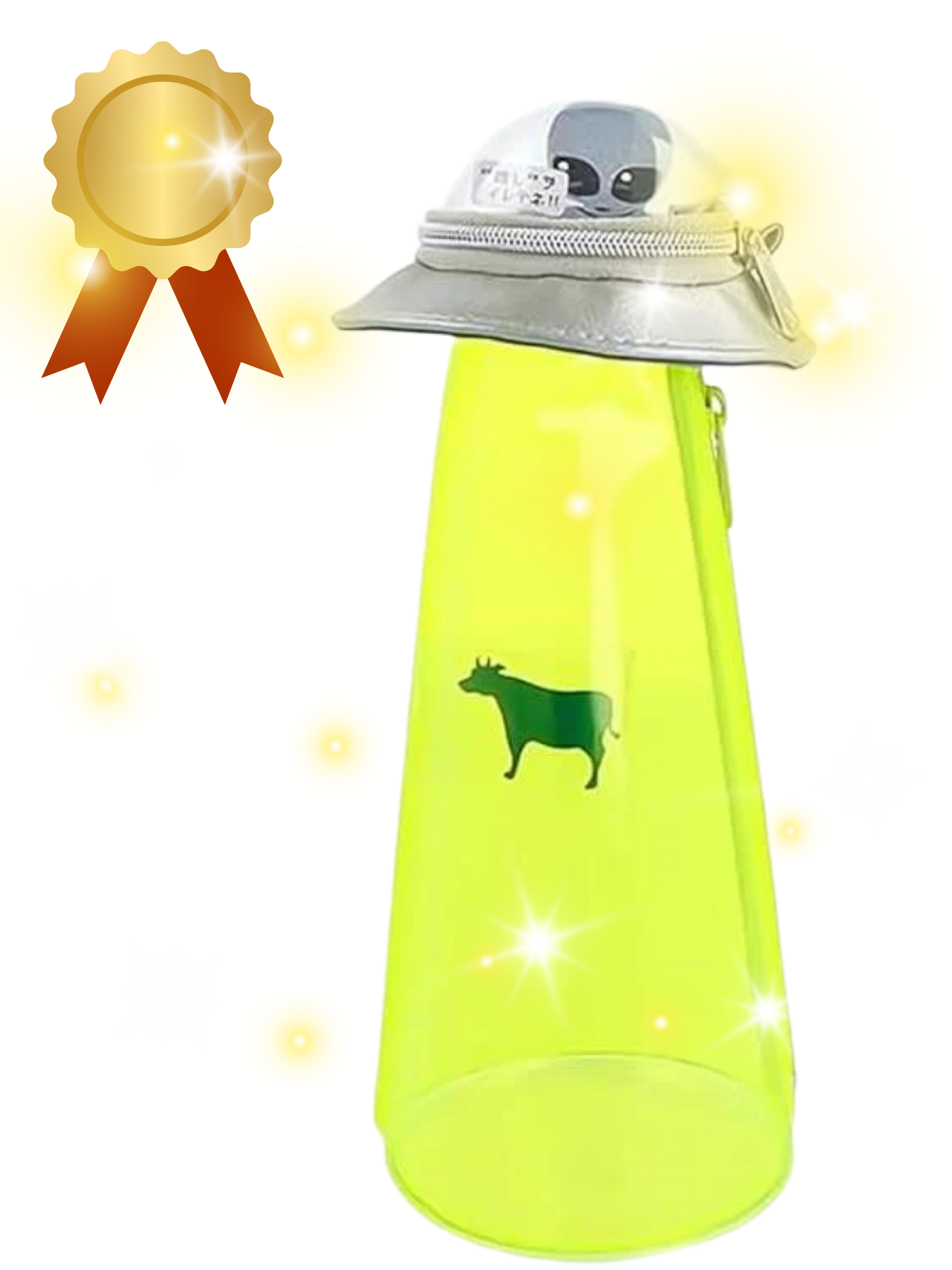
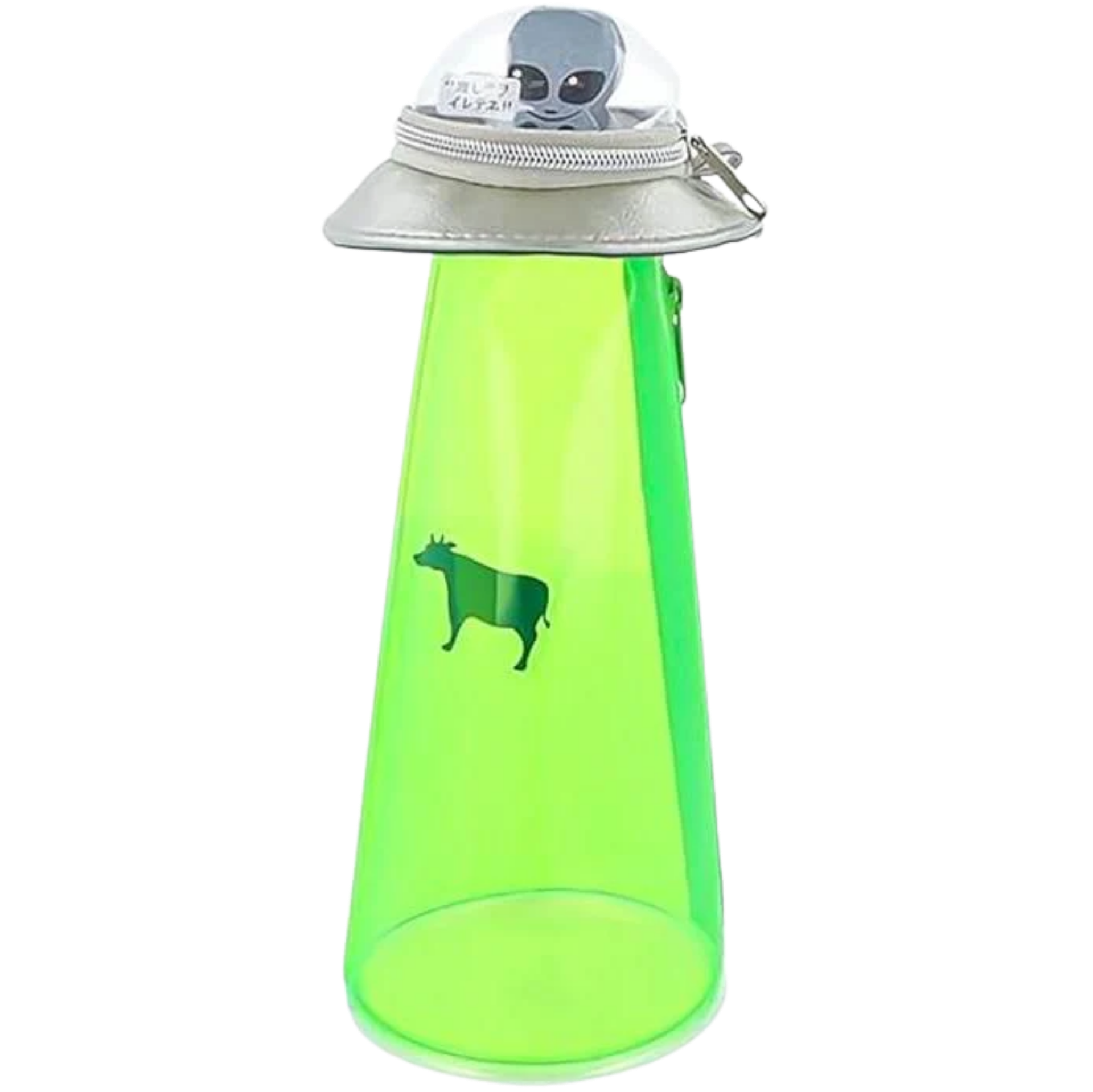
Sun-Star UFO Pencil Cases
Japan treats pencil cases almost like portable desks.
The UFO case opens into a standing organizer, letting you access tools vertically — perfect for crowded school desks.
Sticker Award
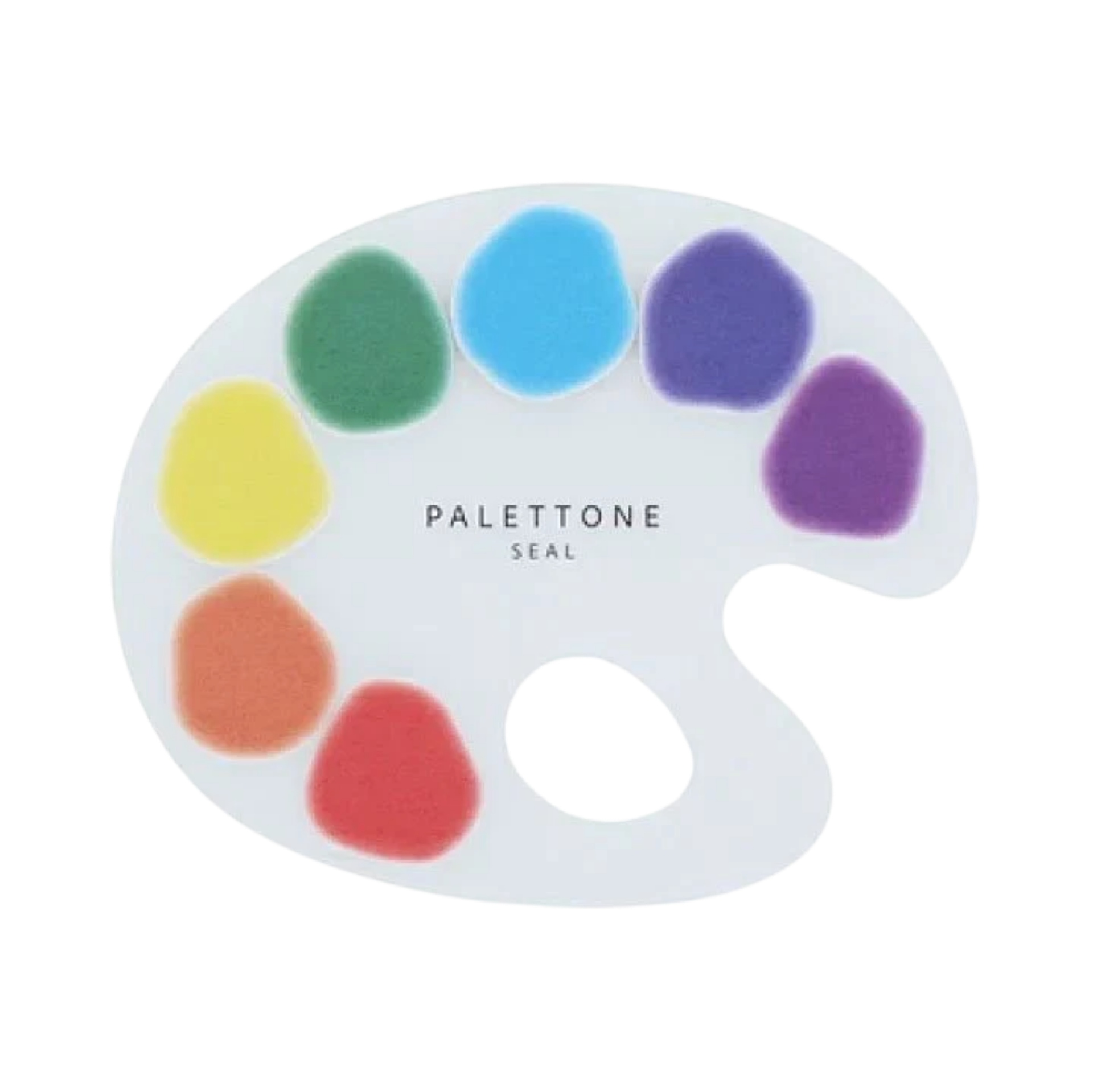
Sun-Star Palettone Stickers
These are color-coordinated stickers designed to match notebook color systems — very important in Japanese note organization culture.
Stamp Award
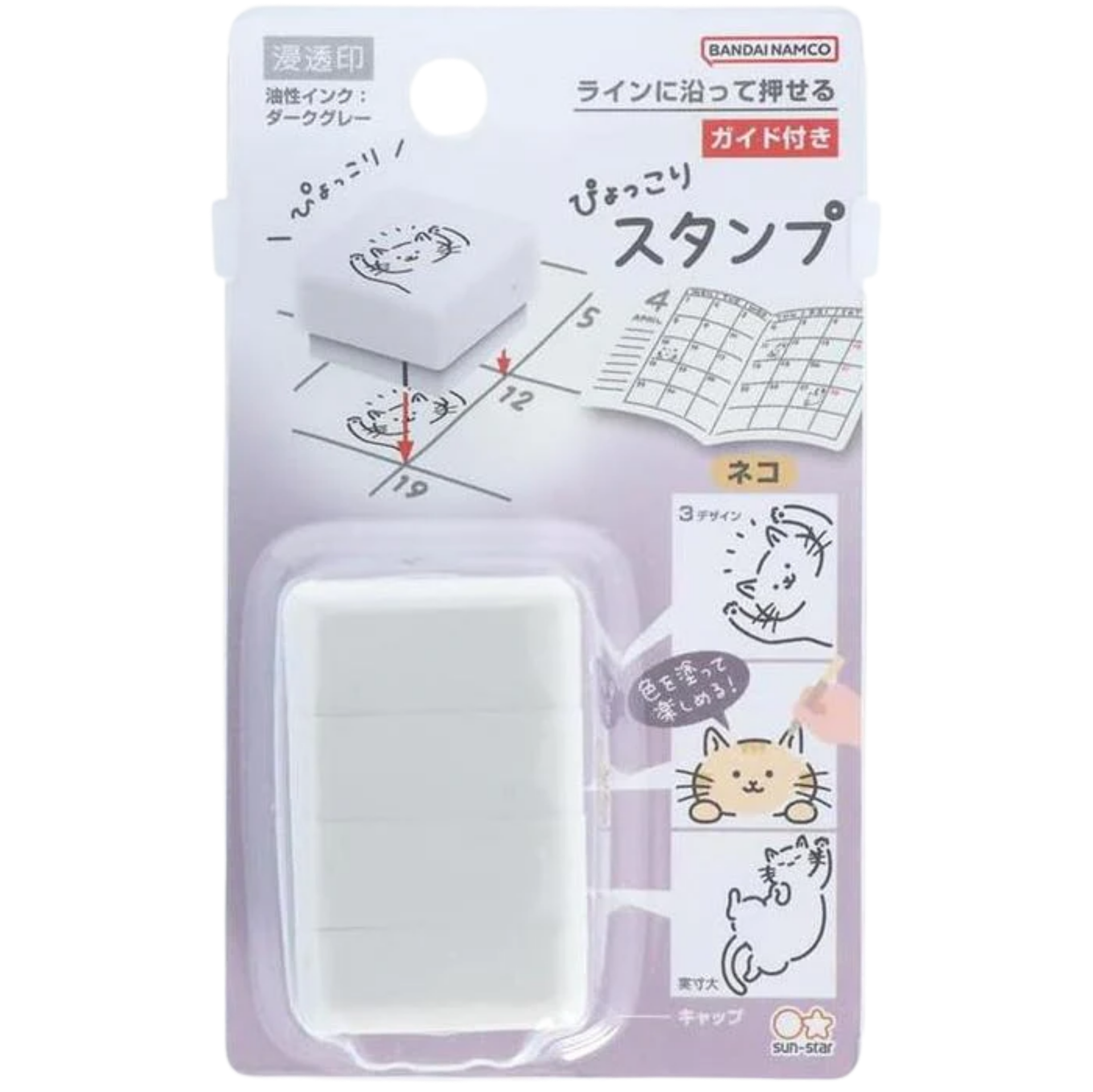
Sun-Star Pyokkori Stamps
“Pyokkori” means “peeking out.”
The stamp designs appear to stick out from page edges — a small playful detail that fits Japanese kawaii communication style.
Masking Tape Award
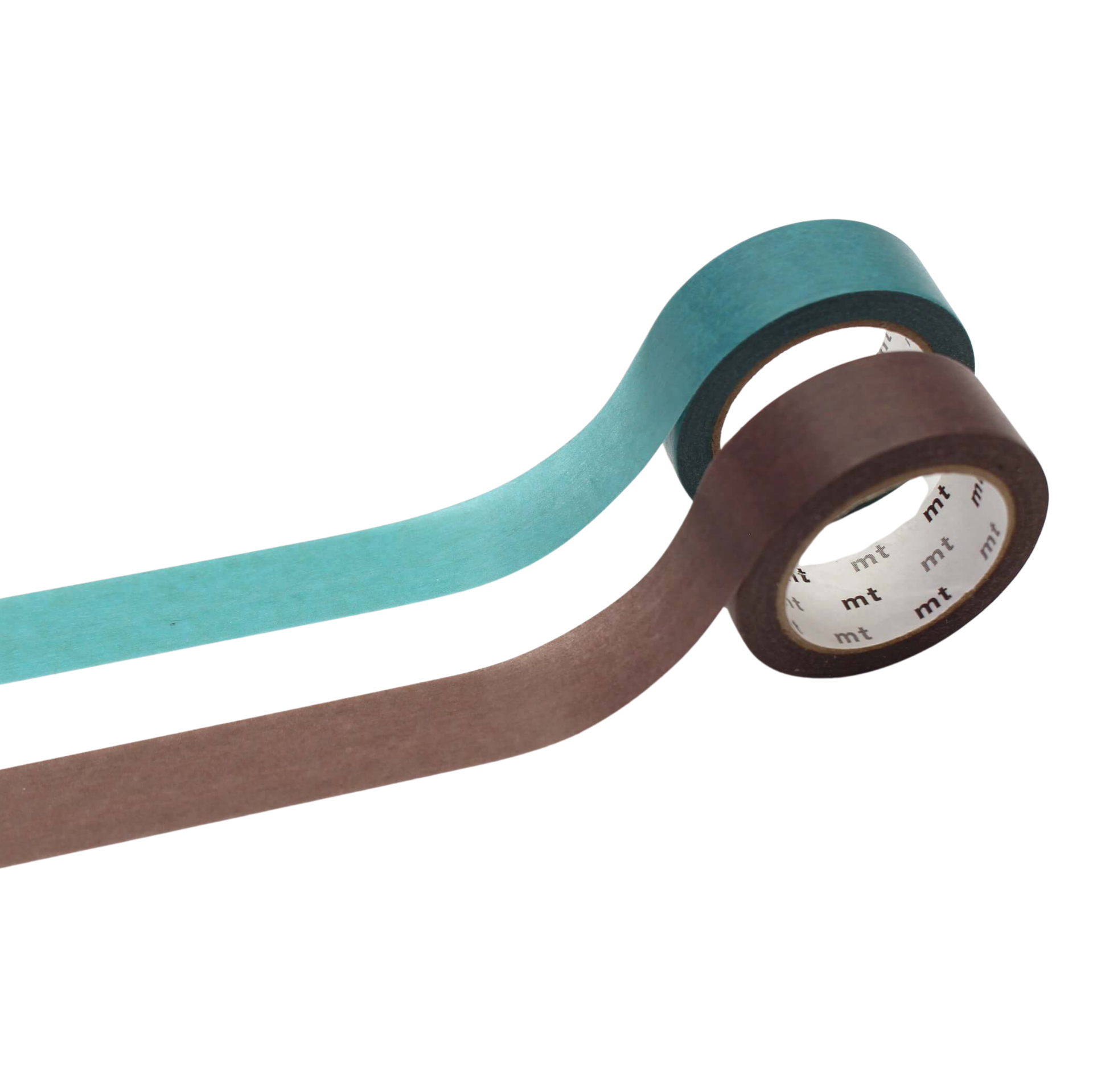
mt Upcycle Washi Tapes
Japan invented decorative masking tape culture.
The Upcycle line uses recycled material and imperfect dye batches — turning manufacturing waste into aesthetic design.
This reflects a growing trend in Japanese stationery: sustainability + craftsmanship.
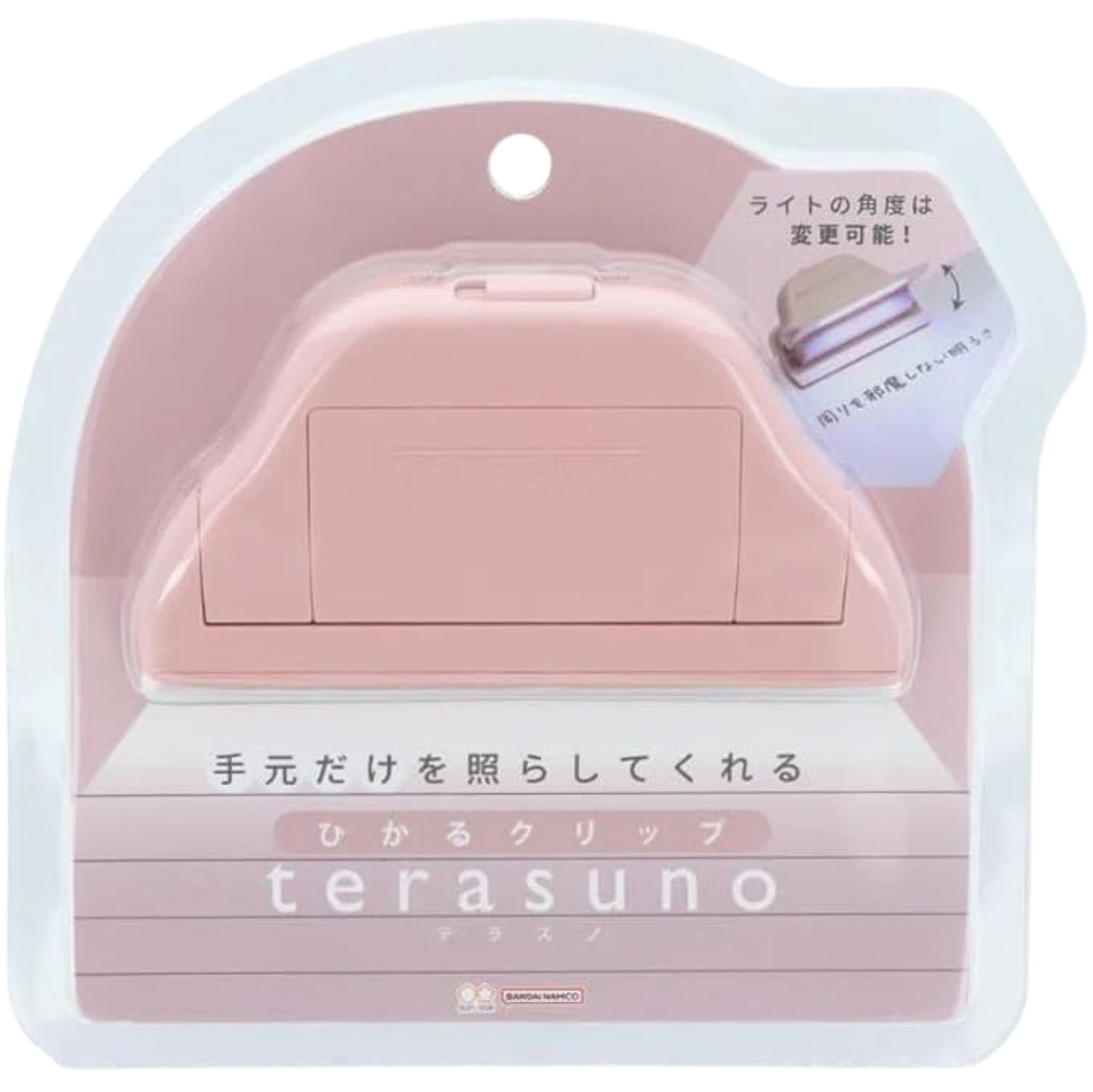
Clip Award
Sun-Star Terasuno Book Light Clips
A bookmark and reading light combined.
Clips onto pages and softly illuminates text — perfect for commuting readers on trains.
Why the 2025 Awards Matter
The big takeaway from 2025:
Japan isn’t innovating by replacing paper.
It’s innovating by perfecting analog tools.
Most winners were not luxury products.
They were everyday objects redesigned around human behavior:
-smoother writing
-less fatigue
-cleaner notes
-better organization
-emotional expression
This is exactly why Japanese stationery dominates globally — not aesthetics alone, but usability engineering.
Japan treats stationery not as office supplies, but as daily life technology.
And that’s why, even in the digital age, a Japanese pen often feels more advanced than an app.


