




![Fino Premium Touch Rich Serum Hair Mask – Deep Repair & Silky Smooth Hair 230g [With alcohol]](http://wabisabi-store.jp/cdn/shop/products/Bestseller-Maska-do-wlosow-silnie-odbudowujaca-FINO-Premium-Touch-od-Shiseido-300g-Shiseido.jpg?v=1630161222&width=500)
![Fino Premium Touch Rich Serum Hair Mask – Deep Repair & Silky Smooth Hair 230g [With alcohol]](http://wabisabi-store.jp/cdn/shop/products/Bestseller-Maska-do-wlosow-silnie-odbudowujaca-FINO-Premium-Touch-od-Shiseido-300g-Shiseido-2.jpg?v=1630161222&width=600)
![Shiseido KOTO Fancy Powder (Pressed) – Perfumed Powder for Luxurious Body Care 110g [Alcohol-free]](http://wabisabi-store.jp/cdn/shop/files/31OSYGq2h5L.jpg?v=1736363998&width=500)
![Shiseido KOTO Fancy Powder (Pressed) – Perfumed Powder for Luxurious Body Care 110g [Alcohol-free]](http://wabisabi-store.jp/cdn/shop/files/31XhNJ9JhPL._AC.jpg?v=1736363999&width=421)
![Pelican Soap - *Dermo Cosmetic* Soap with Shibu Kaki/Persimmons eliminating unpleasant odor and acne 80gx2 [Alcohol-free]](http://wabisabi-store.jp/cdn/shop/files/4976631479392.jpg?v=1724311362&width=700)
![KOKURYU - *DERMO COSMETIC* Strongly moisturizing and rejuvenating cream 70g [Alcohol-free]](http://wabisabi-store.jp/cdn/shop/products/4901477011802.webp?v=1668064918&width=700)
![KOKURYU - *DERMO COSMETIC* Strongly moisturizing and rejuvenating cream 70g [Alcohol-free]](http://wabisabi-store.jp/cdn/shop/products/item14_1_02.jpg?v=1668064922&width=700)

![BESTSELLER-SUHADA KINENBI - NEW VERSION! Nourishing powder-serum for night and day 10g [Alcohol-free]](http://wabisabi-store.jp/cdn/shop/files/DAF67291-C3CC-454C-99E2-09D3A6DADA00.jpg?v=1709277760&width=560)
![BESTSELLER-SUHADA KINENBI - NEW VERSION! Nourishing powder-serum for night and day 10g [Alcohol-free]](http://wabisabi-store.jp/cdn/shop/files/8CA613BC-1818-4BF1-BC97-F8A9F2D1AD3D.jpg?v=1709364150&width=700)
Can food support sleep, focus, digestion,
or skin condition?
In Japan, the answer is clear: yes -
- as part of everyday eating habits.


Japanese functional food is a unique category of products that combines the simple pleasure of eating with ingredients commonly used to support everyday dietary routines.
These products are not medicines and not traditional supplements. Instead, they are familiar foods such as chocolate, gummies, chewing gum, beverages, and teas, enriched with functional ingredients like GABA, dietary fiber, collagen, probiotics, and plant extracts.
In Japan, functional food is closely connected to daily lifestyle choices, balance, and mindful eating — not to quick fixes or guaranteed results. It reflects a culture where food is designed to fit naturally into everyday life.
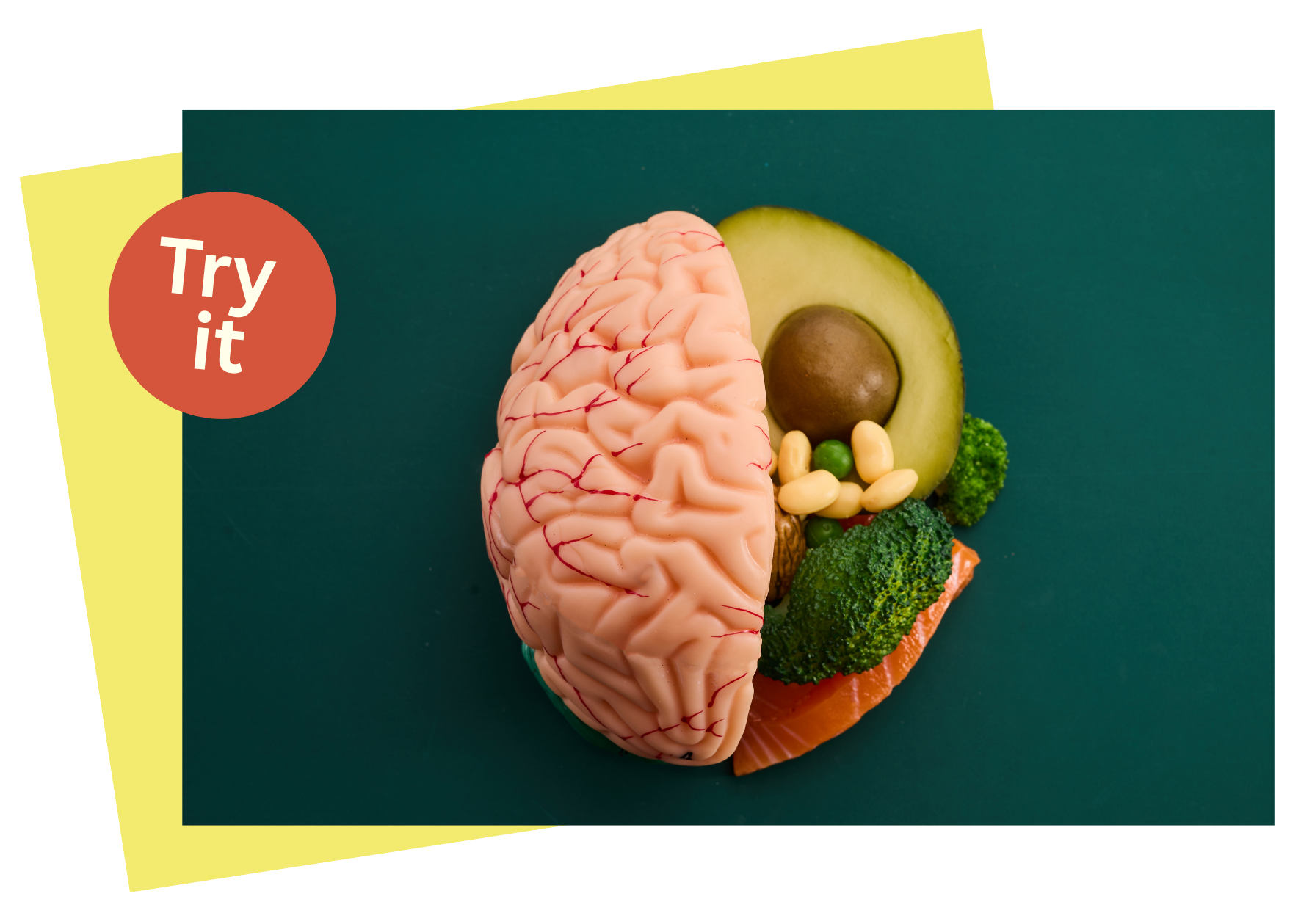

What Is Functional Food?
Functional food refers to products that, in addition to their nutritional value, serve an extra role — they are designed to support specific aspects of daily health and well-being as part of an everyday diet.
In Japan, this is neither a passing trend nor a marketing gimmick. Functional food is an officially recognized category, developed over decades through collaboration between scientific research, food manufacturers, and government institutions.
Functional food products:
- are intended for daily consumption,
- do not require a prescription,
- are part of a lifestyle-oriented approach, not medical treatment.
How to Read Japanese Functional Food Labels?
| Category (abbreviation) |
Nazwa po japońsku | Jak wygląda na opakowaniu | Co to oznacza w praktyce |
|---|---|---|---|
| Food with Health Claims (FHC) | 保健機能食品 | General category (not always shown as a single visible label) | A general group of foods with health-related claims regulated by the Japanese Ministry of Health, Labour and Welfare (MHLW). |
| Foods with Nutrient Function Claims (FNFC) | 栄養機能食品 | Text describing the function of a vitamin or mineral | The product provides information about the role of specific vitamins or minerals in accordance with established standards, without individual government approval. |
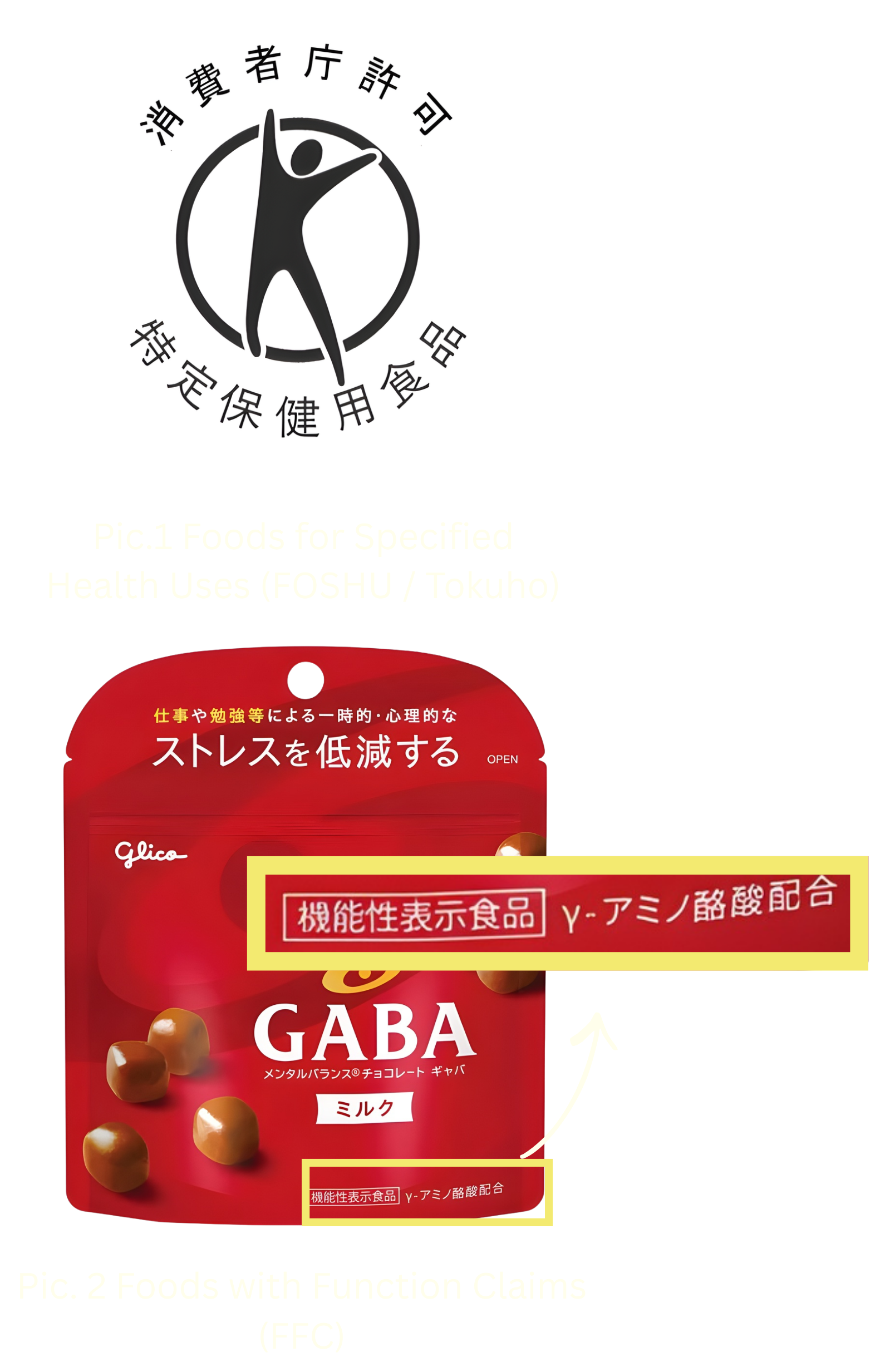
| Foods for Specified Health Uses (FOSHU / Tokuho) | 特定保健用食品 | Official approval mark or seal (Pic. 1) | A product officially approved by the Japanese government, with its physiological effects evaluated. |
| Foods with Function Claims (FFC) | 機能性表示食品 | Label text with a function description (Example Pic. 2 – Translation: “Functional Food – contains gamma-aminobutyric acid (GABA)”) |
The manufacturer has submitted a function claim based on scientific data; no official government certification mark is granted. |
| Food for Special Dietary Uses (FOSDU) | 特別用途食品 | Special labeling indicating a specific target group | Food intended for specific dietary needs (e.g. infants, elderly people, or special medical dietary uses). |
Products Enriched with Additional Ingredients at
WABI-SABI STORE
At WABI-SABI STORE, you can find a wide selection of Japanese food products that are enriched with additional ingredients, such as probiotics, dietary fiber, collagen, GABA, or selected plant extracts. These are everyday food items, commonly enjoyed in Japan as part of a varied and balanced diet.
It is important to emphasize that these products are not medicines and are not intended to treat or prevent any diseases. The presence of specific ingredients does not guarantee any particular effect, and their inclusion in the ingredient list should not be interpreted as a promise of results.
Many Japanese products — including those containing probiotics or lactic acid bacteria — do not carry official functional food labels such as FOSHU or FFC. In such cases, these ingredients are simply part of the recipe rather than a declared health function. This approach reflects the Japanese philosophy of nutrition, which focuses on regularity, variety, and moderation, rather than explicit claims or guaranteed outcomes.
When presenting these products, we focus on providing clear and reliable information about their ingredients, origin, and how they are commonly consumed in Japan, allowing customers to make informed and responsible choices without implying specific health effects.
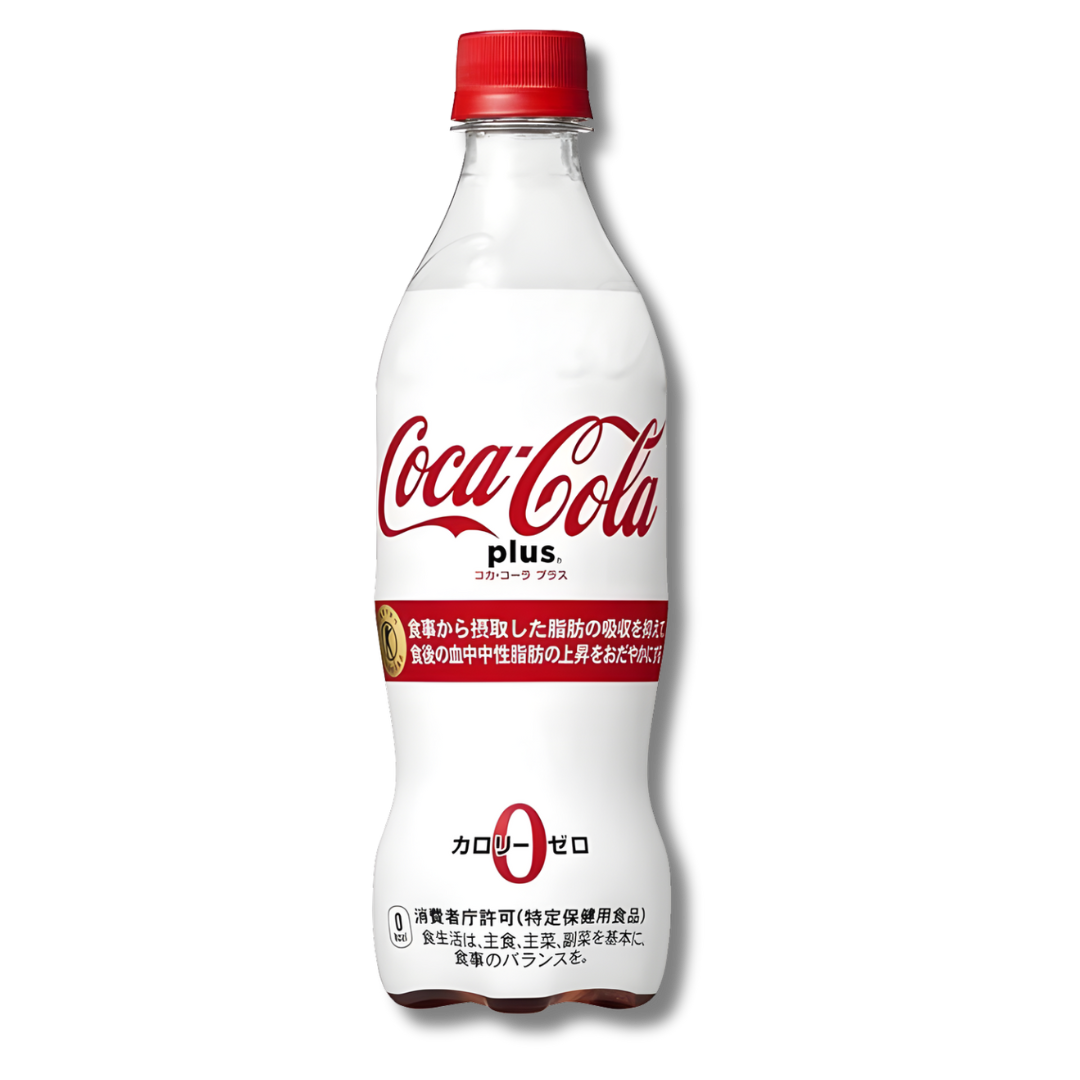
Coca-Cola Plus (Tokuho)
For digestion support: Japanese cola with FOSHU certification and added dietary fiber, which may support digestion, especially when consumed with heavier meals.
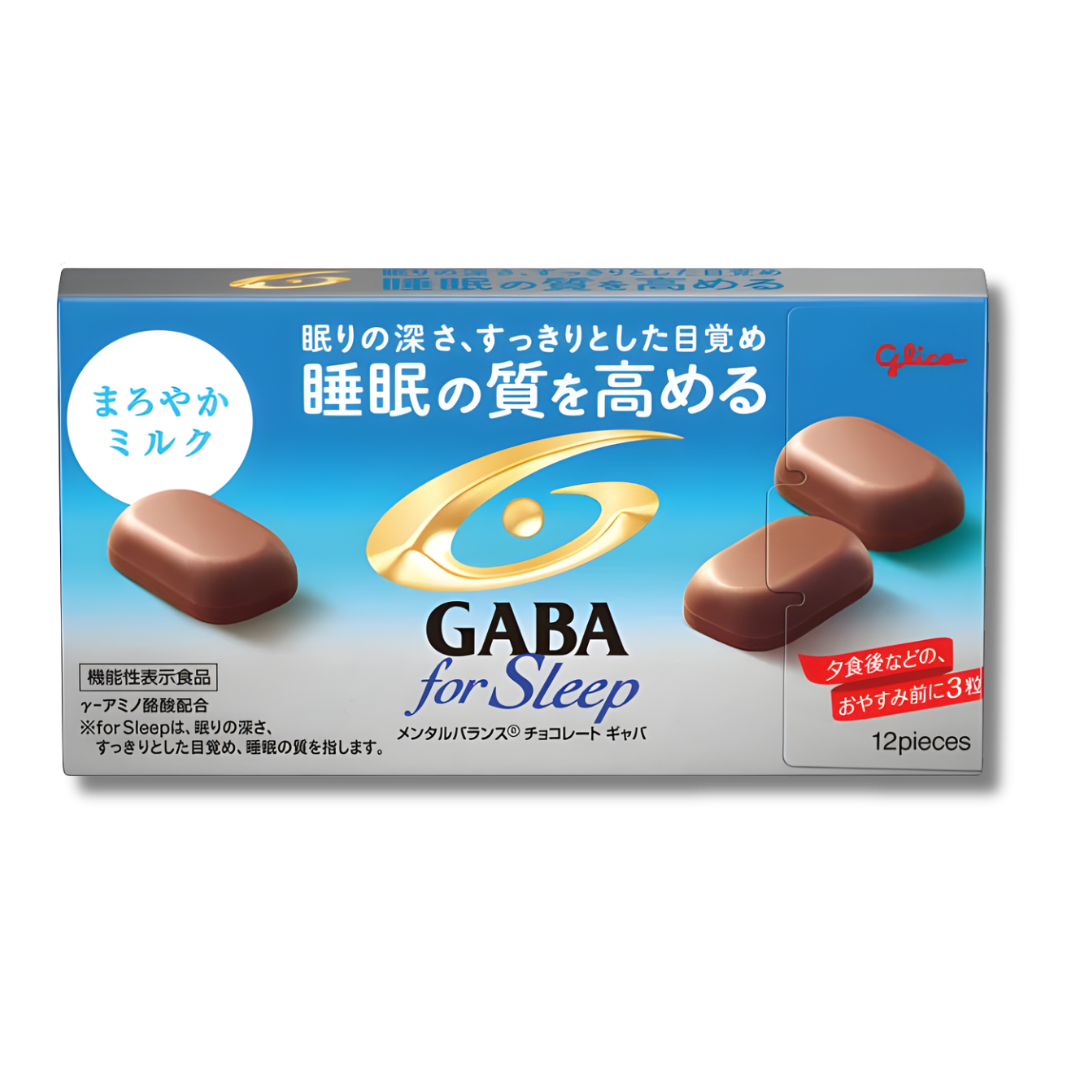
Glico Mental Balance Chocolate GABA for sleep
For evening relaxation and sleep preparation: Chocolate with an increased GABA content, which may support evening calm and help prepare the body for sleep.
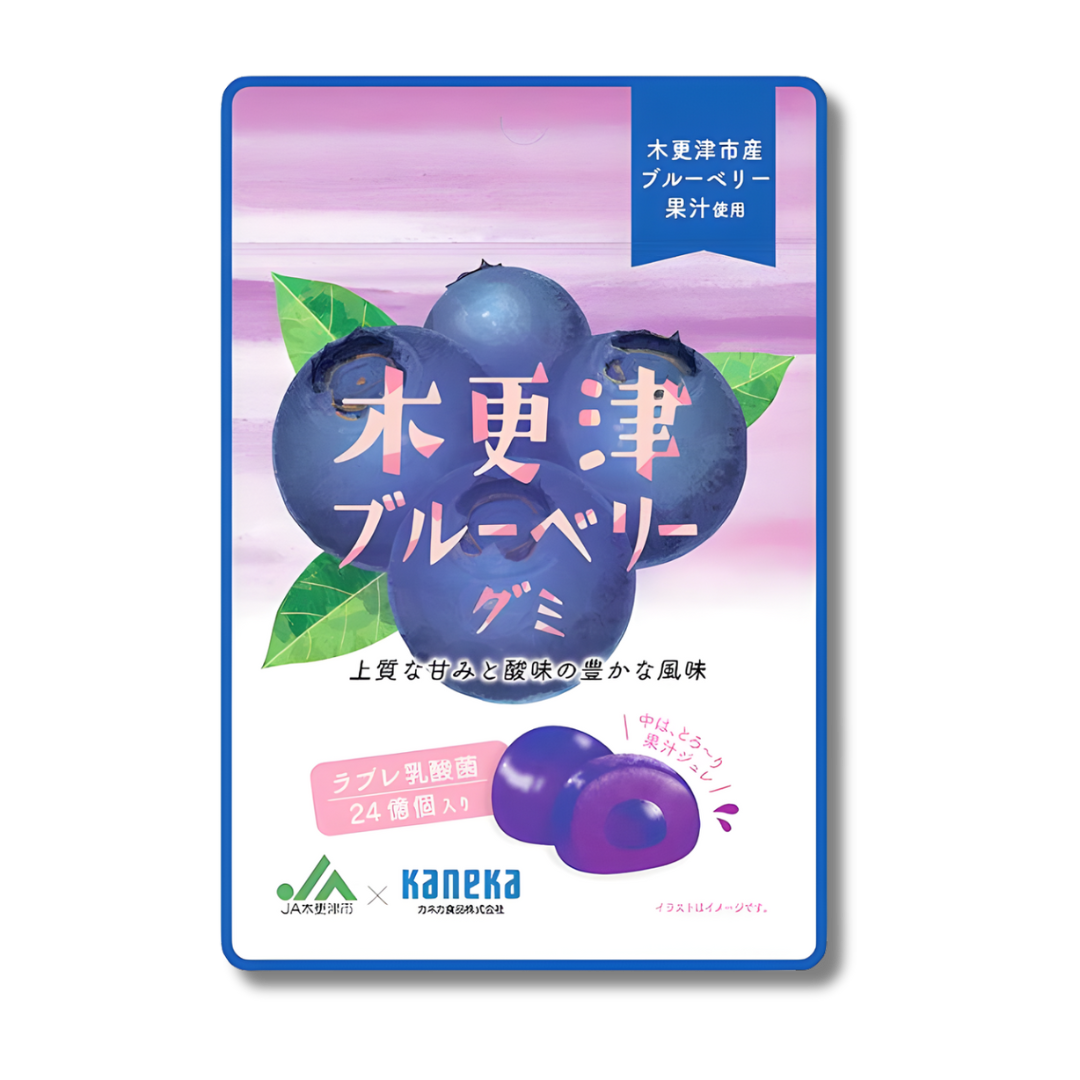
Kaneka Kisarazu Blueberry Gummies
For daily gut-friendly nutrition: Fruit gummies with blueberries from Kisarazu and Labré lactic acid bacteria, which may support a daily diet with ingredients commonly found in fermented foods.
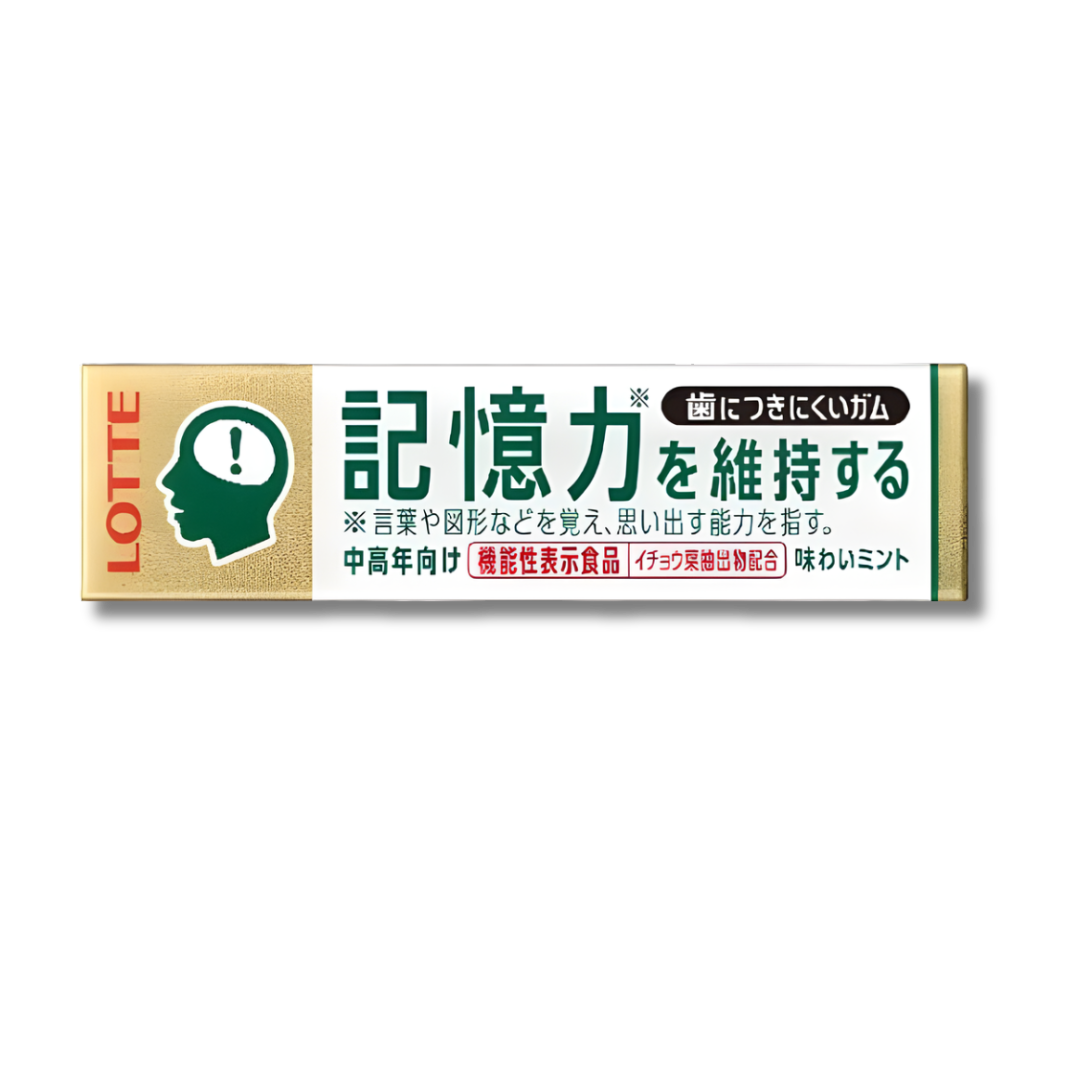
LOTTE Non-Sticky Gum – Memory Maintenance Type
For focus and memory maintenance: Chewing gum with ginkgo leaf extract, which may support concentration and memory processes as part of a daily routine.
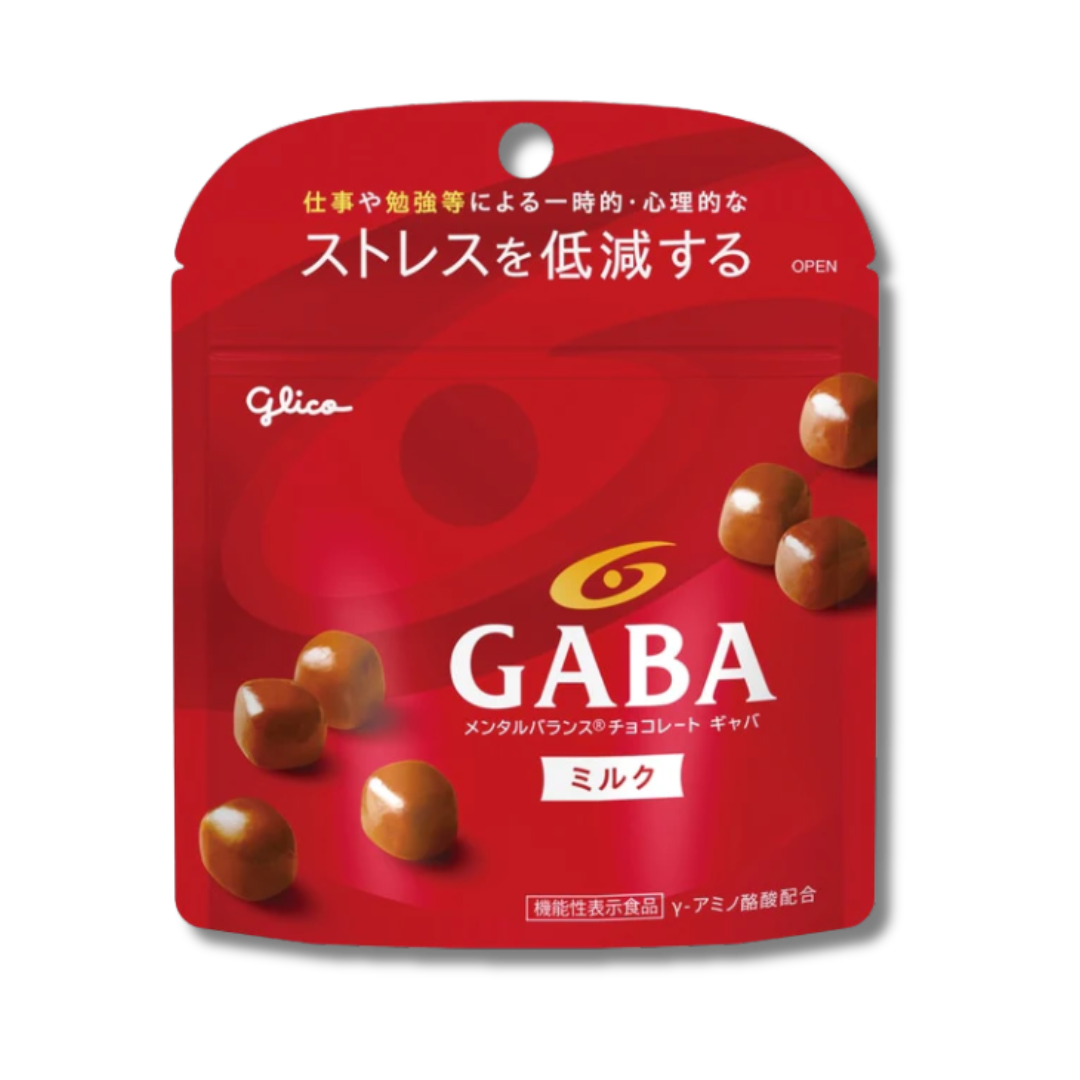
Glico Mental Balance
Chocolate GABA
For daytime relaxation: Milk chocolate with added GABA, which may promote a feeling of relaxation during the day or as a short break treat.
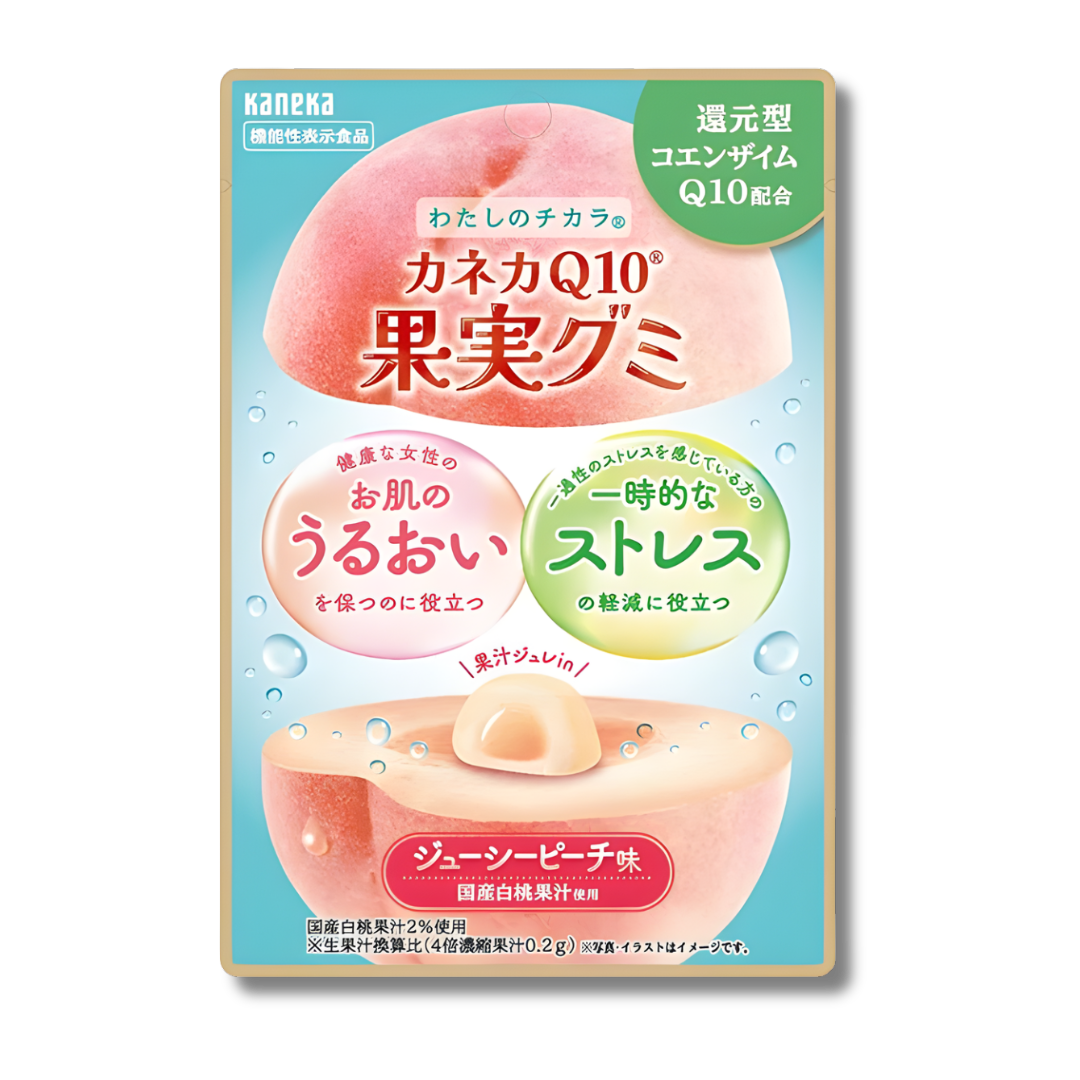
Peach Q10 Gummies
(White Peach)
For beauty-focused nutrition: Gummies flavored with Japanese white peach and enriched with coenzyme Q10, which may help supplement the diet with an ingredient often associated with beauty-oriented foods.
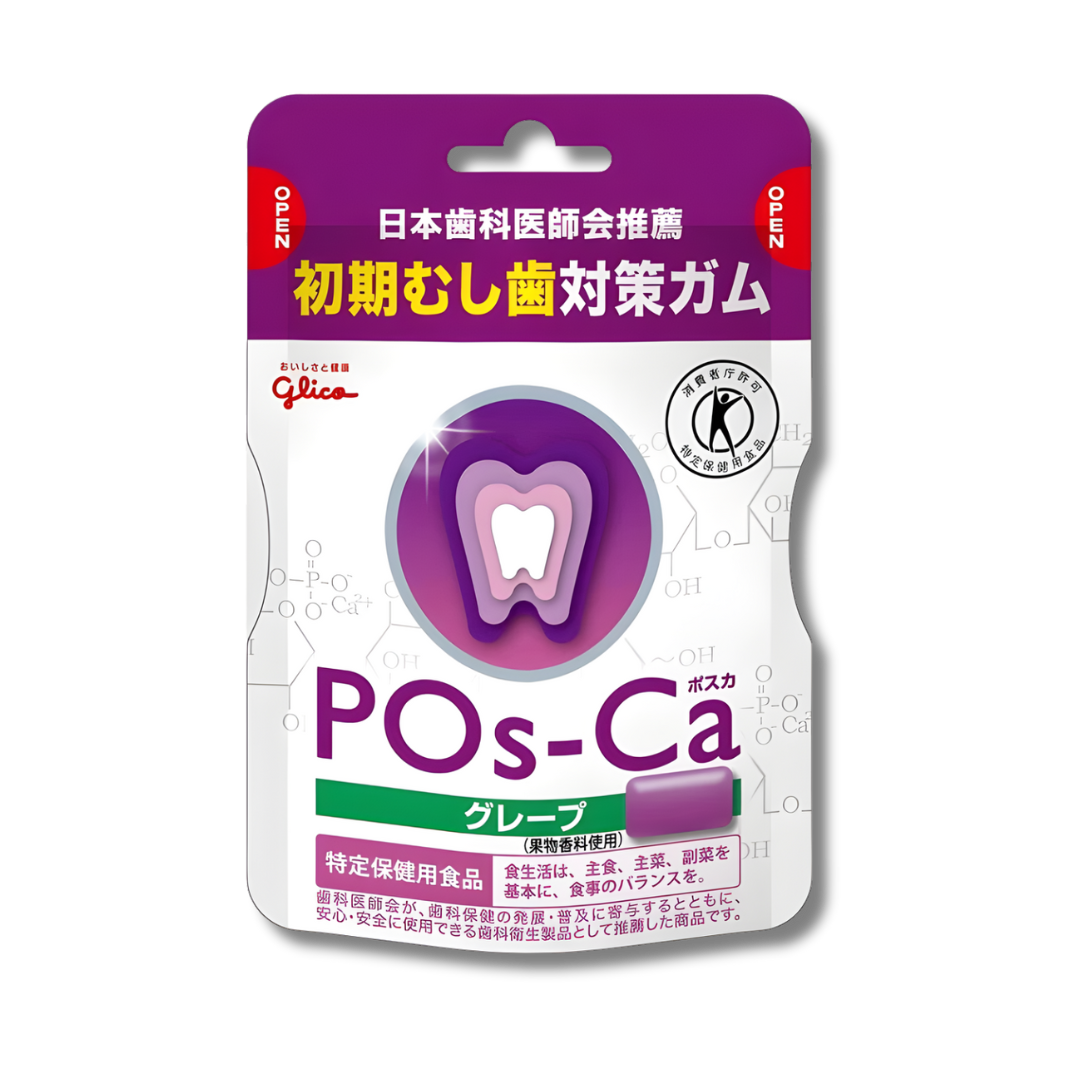
Glico POS-Ca Gum – Grape (FOSHU)
For daily oral care: Functional chewing gum with POs-Ca® calcium, which may support daily oral hygiene, especially after meals.
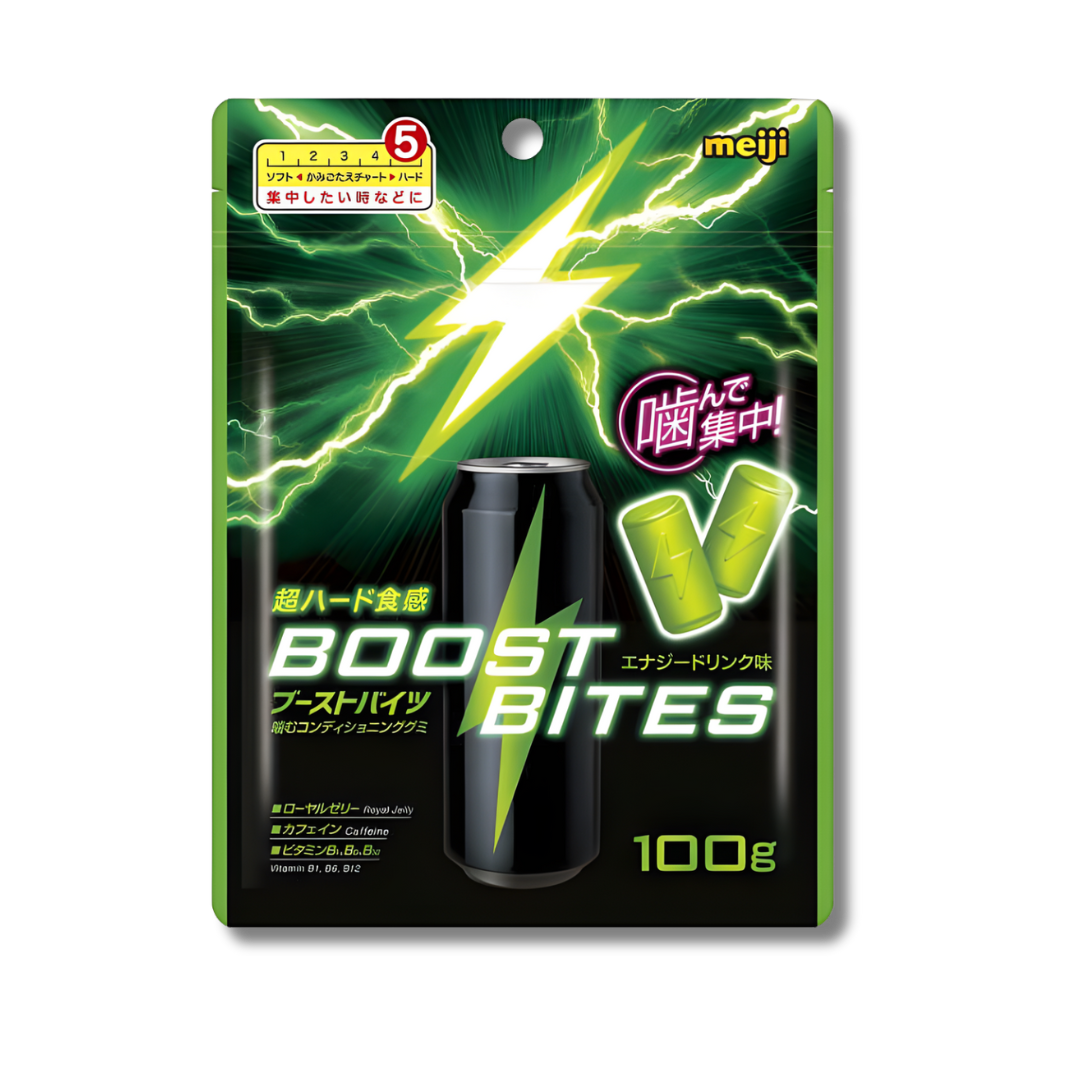
Meiji Boost Bites
For alertness and concentration: Hard gummies with an energy drink flavor, caffeine, and B vitamins, which may support alertness and concentration during the day.
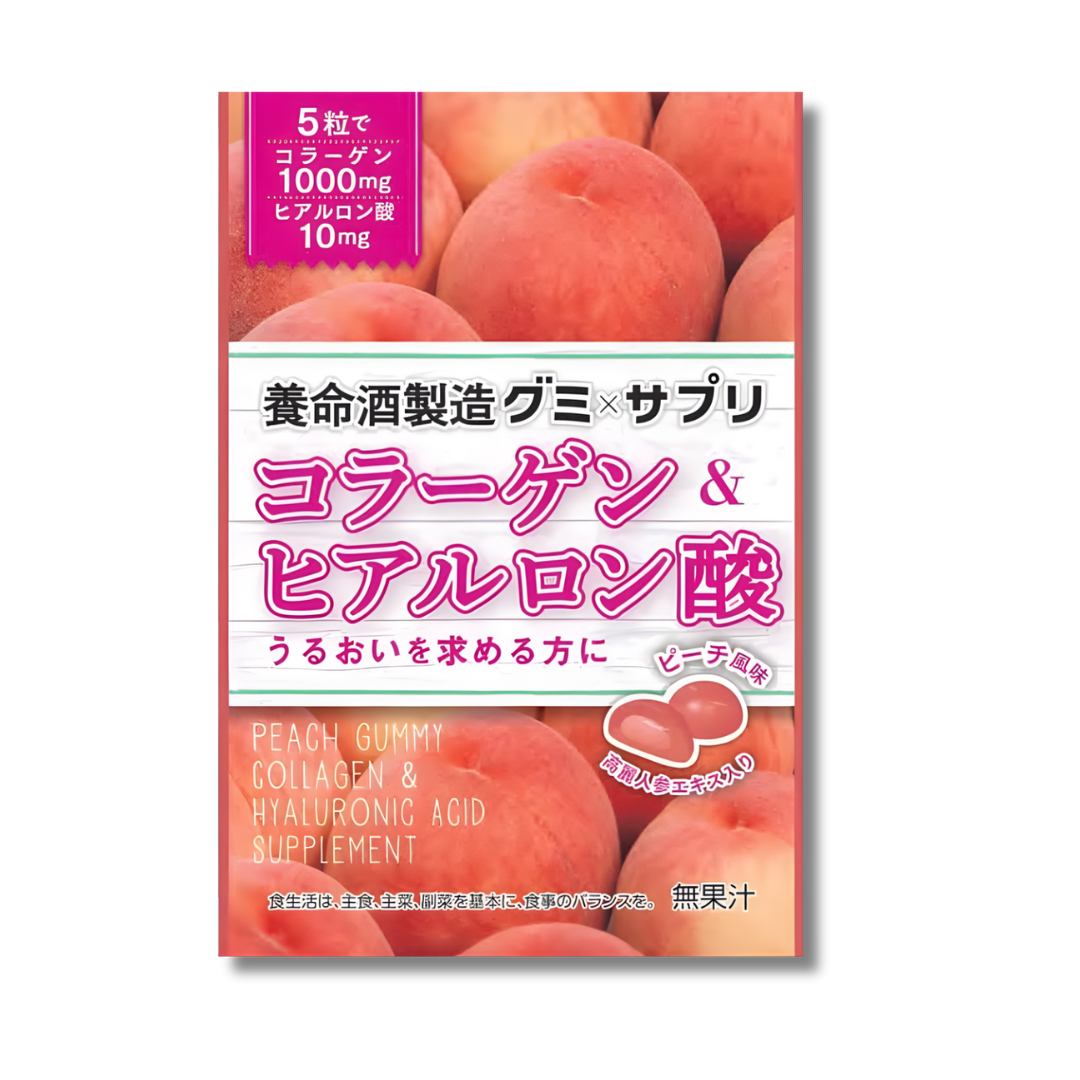
Yomeishu Gummy
Collagen & Hyaluronic Acid
For skin-focused daily nutrition: Two-layer gummies with collagen and hyaluronic acid, which may support the daily diet of those paying attention to skin condition.
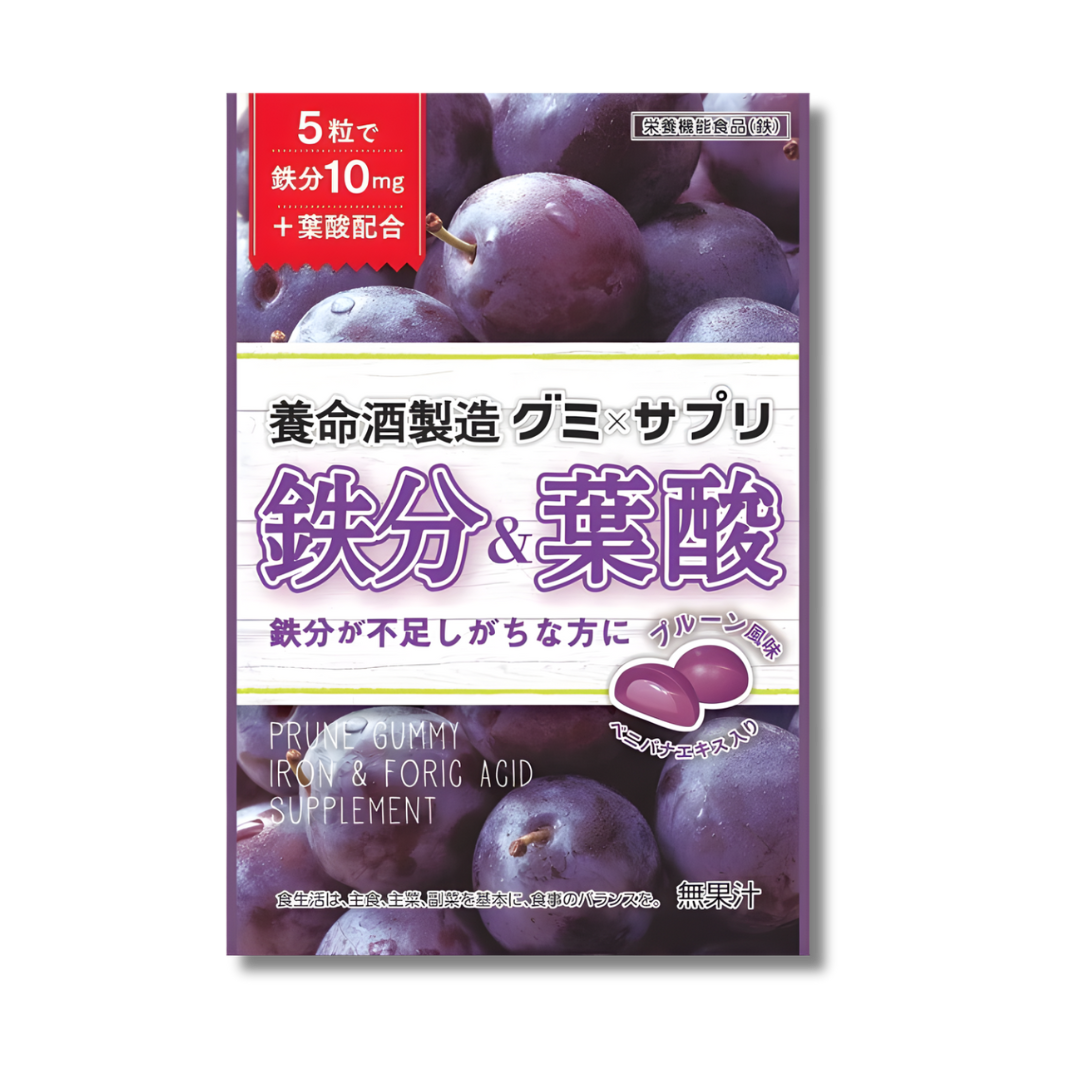
Yomeishu Gummy
Iron & Folic Acid
For iron intake support: Two-layer gummies with iron and folic acid, which may support adequate dietary iron intake.
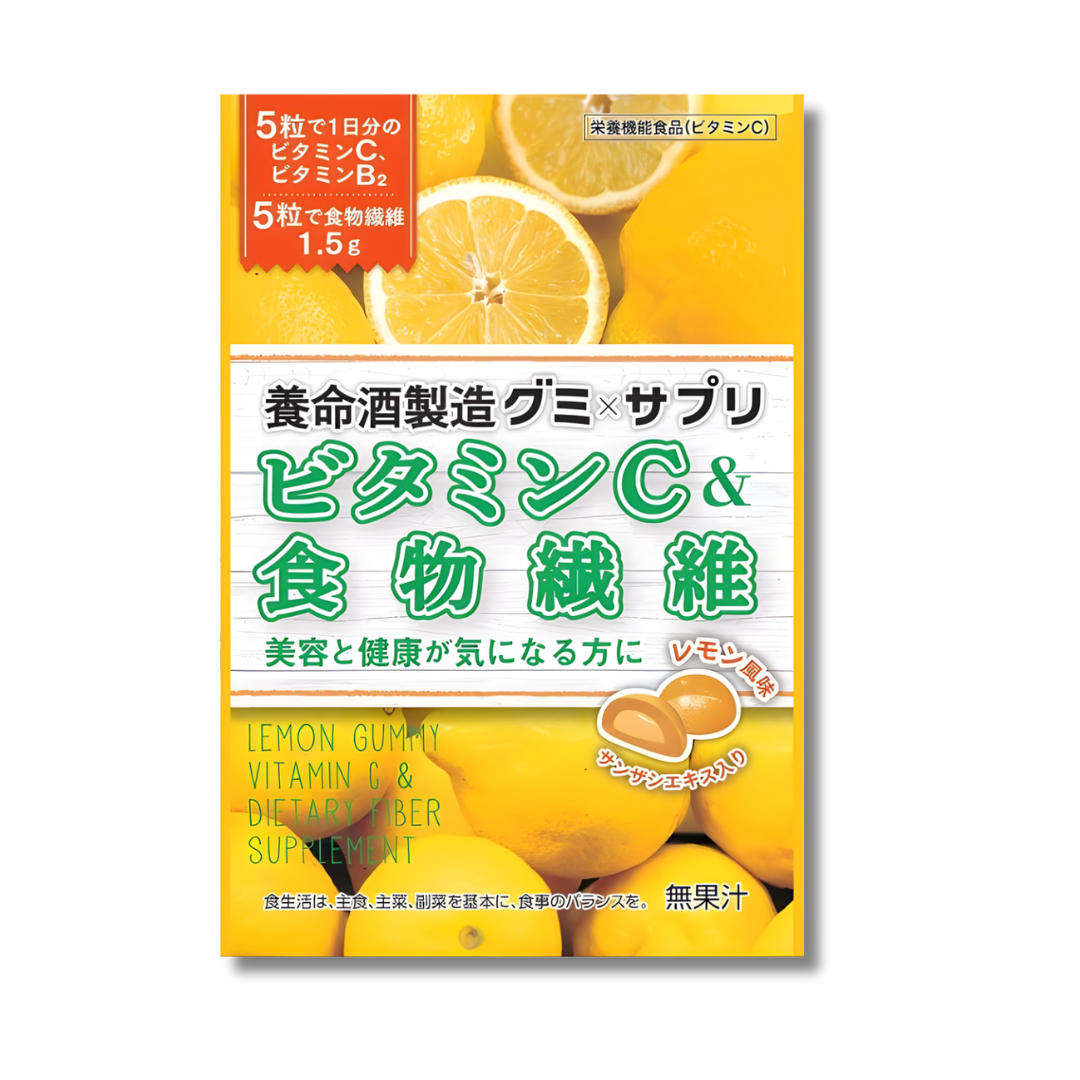
Yomeishu Gummy
Vitamin C & Dietary Fiber
For daily vitamin C intake: Gummies with vitamin C and dietary fiber, which may support regular vitamin C consumption.
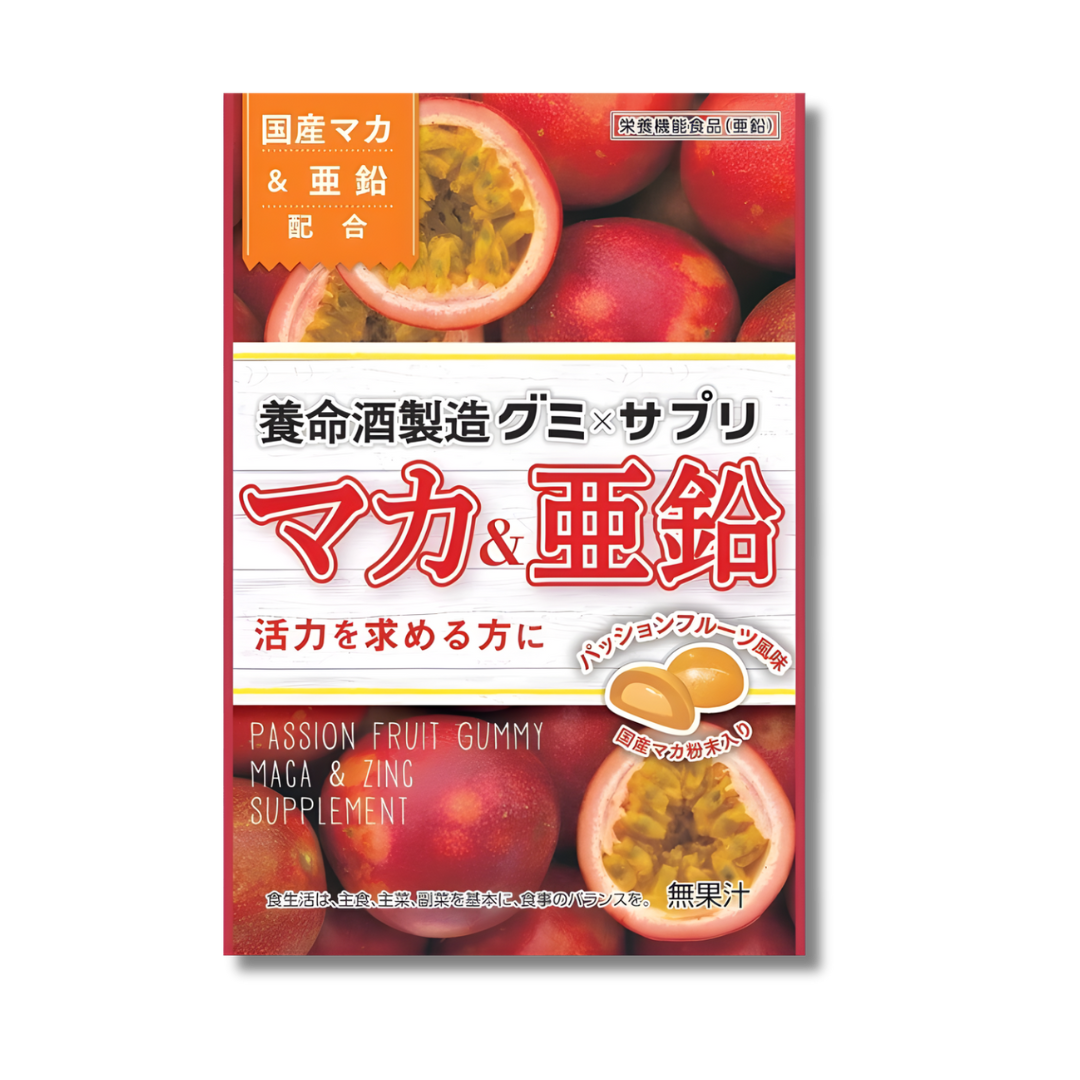
Yomeishu Gummy
Maca & Zinc
For active lifestyle routines: Gummies with Japanese maca and zinc, which may be chosen as part of a daily wellness routine.
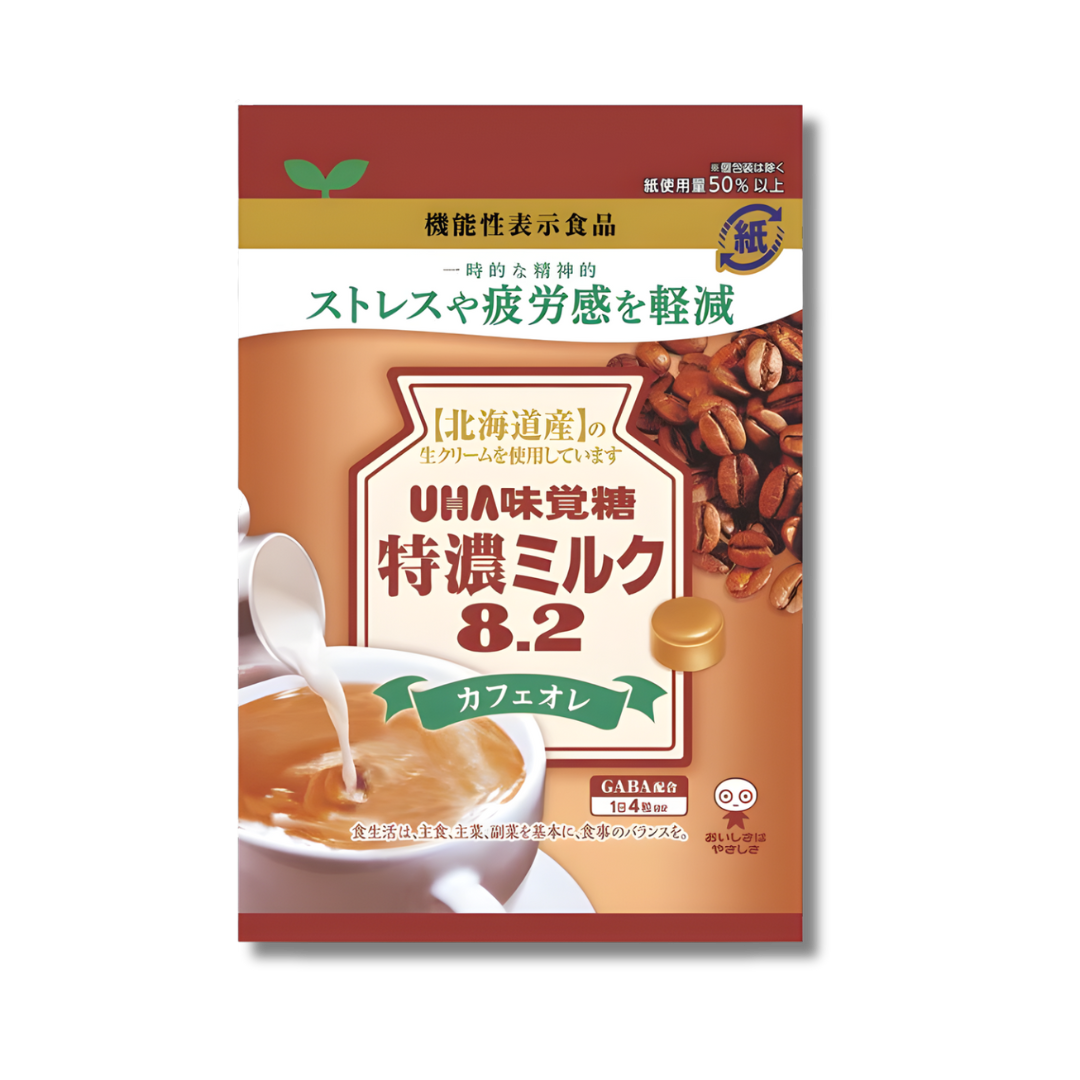
UHA Extra Rich Milk 8.2 Café au Lait (GABA)
For calm moments during the day: Creamy milk candies with café au lait flavor and added GABA, which may promote calm and relaxation as a small sweet snack.
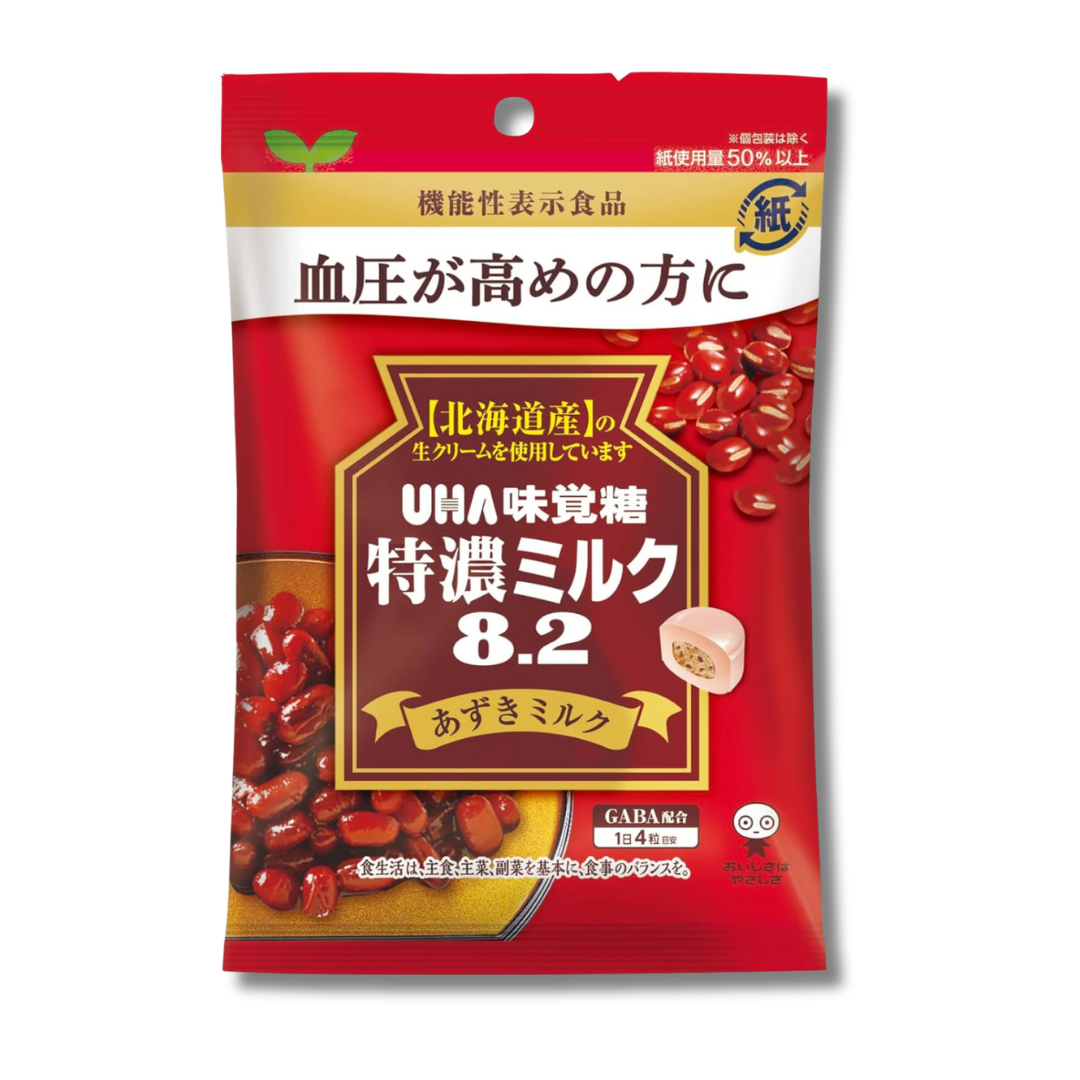
UHA Extra Rich Milk 8.2 Azuki Milk (GABA)
For balanced blood pressure support: Milk candies with traditional red azuki bean paste and added GABA, which may support maintaining normal blood pressure as part of a balanced diet.
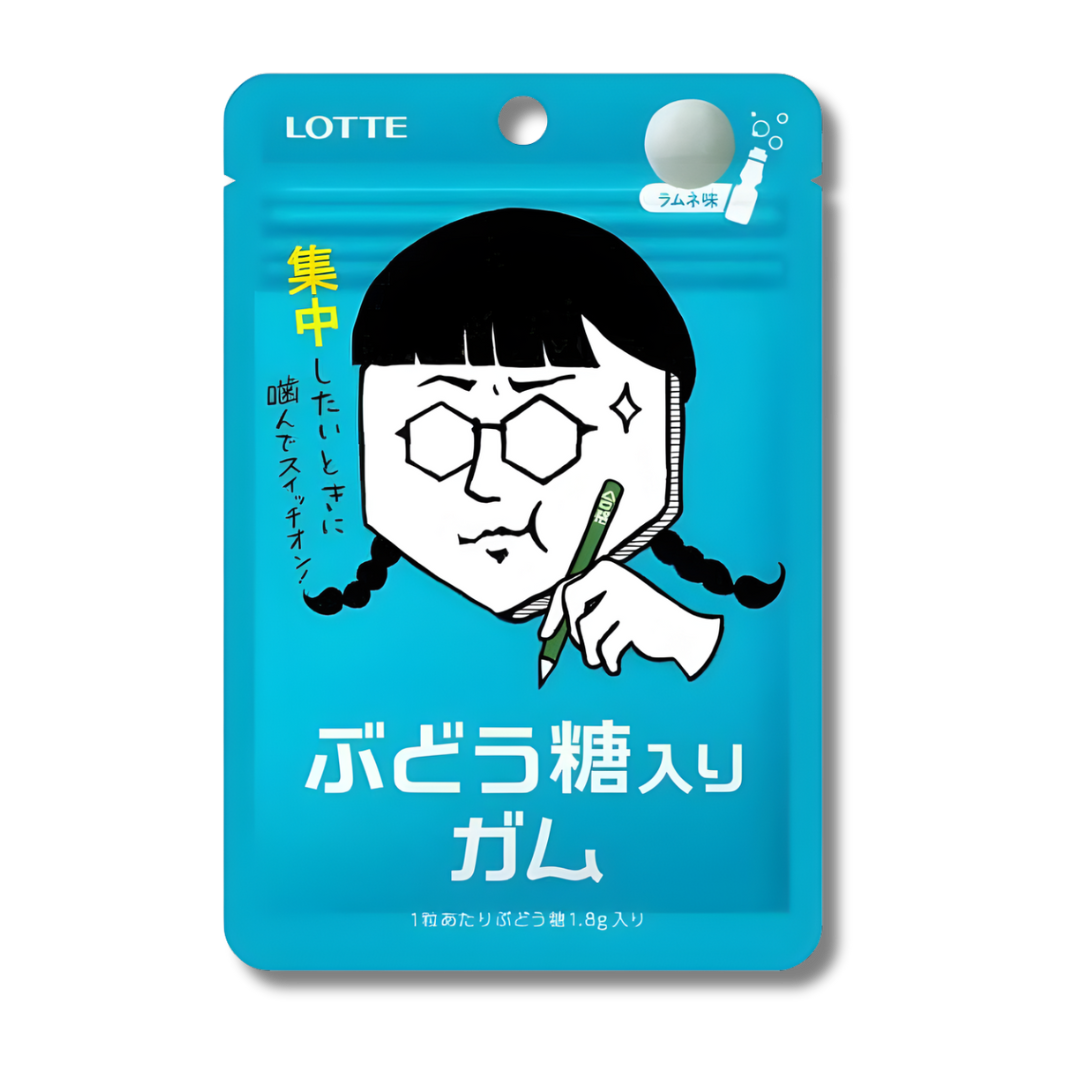
Lotte Glucose Gum
For quick mental reset: Chewing gum with added glucose, which may support short moments of focus and mental reset during the day.
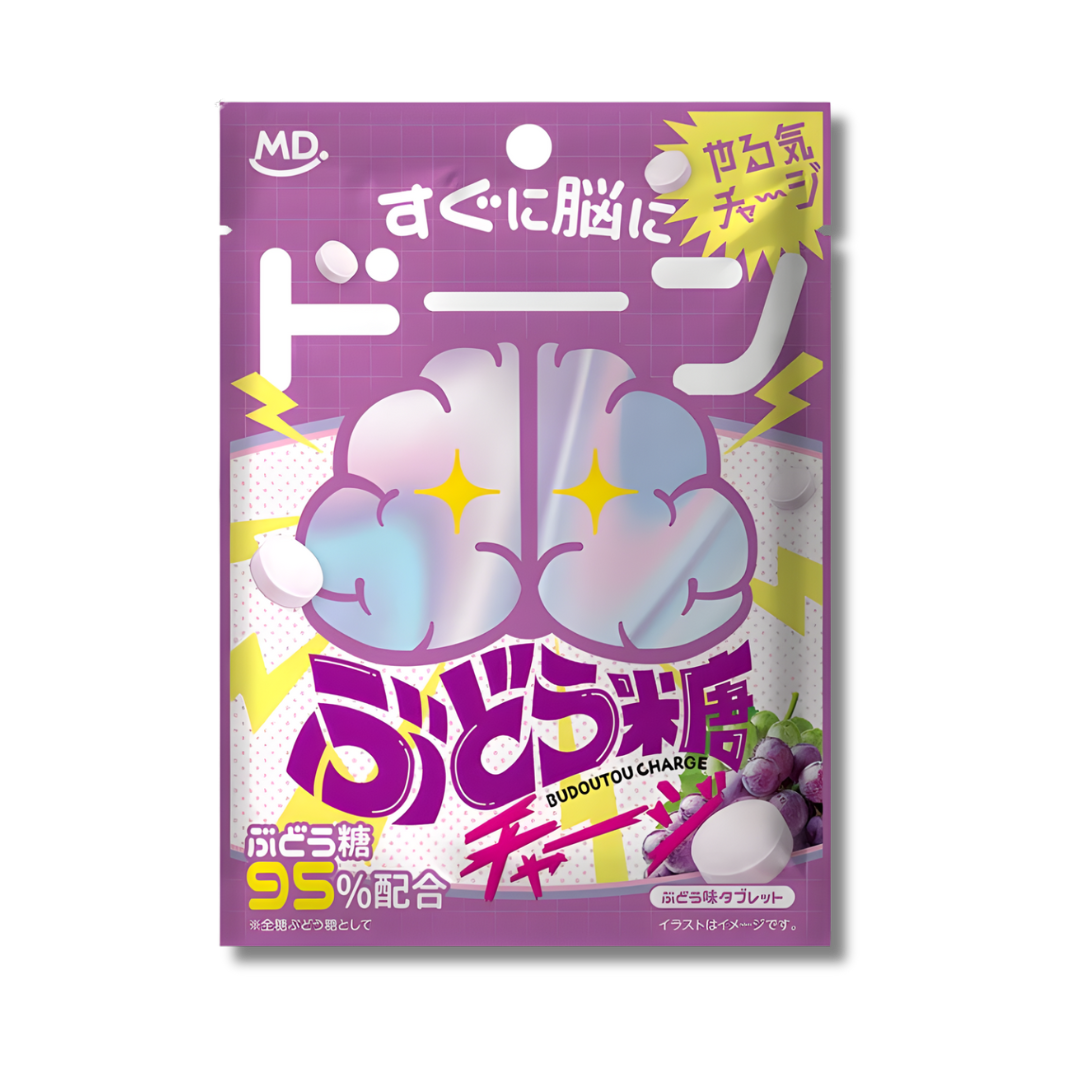
MD Holdings Glucose Charge (Grape)
For fast energy replenishment: Candy tablets with a high glucose content, which may help quickly replenish energy during study breaks or mentally demanding work.
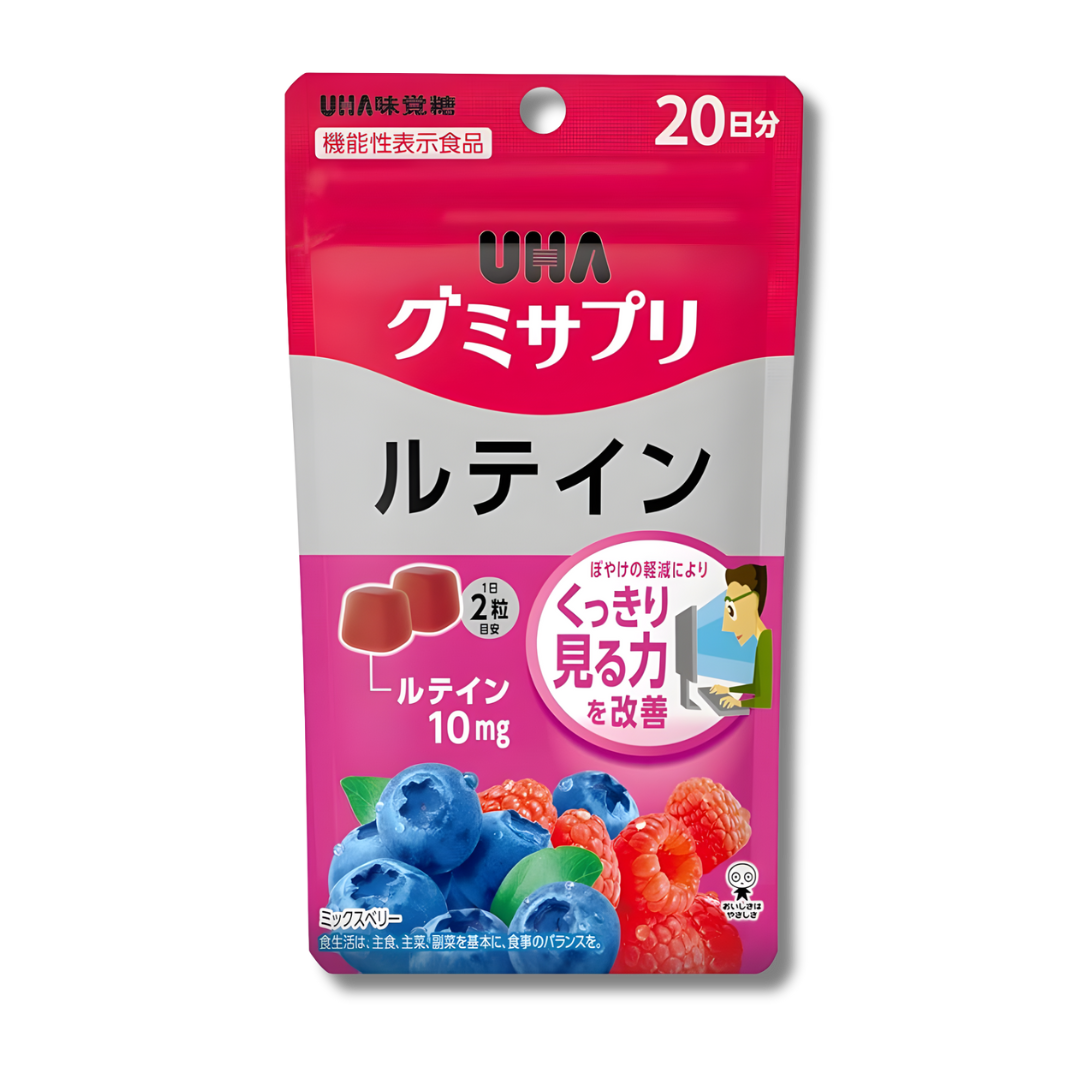
UHA Gummy Lutein
(Mixed Berry)
For daily eye care: Gummies with lutein and bilberry extract, which may support daily eye care, especially for people who spend a lot of time in front of screens.
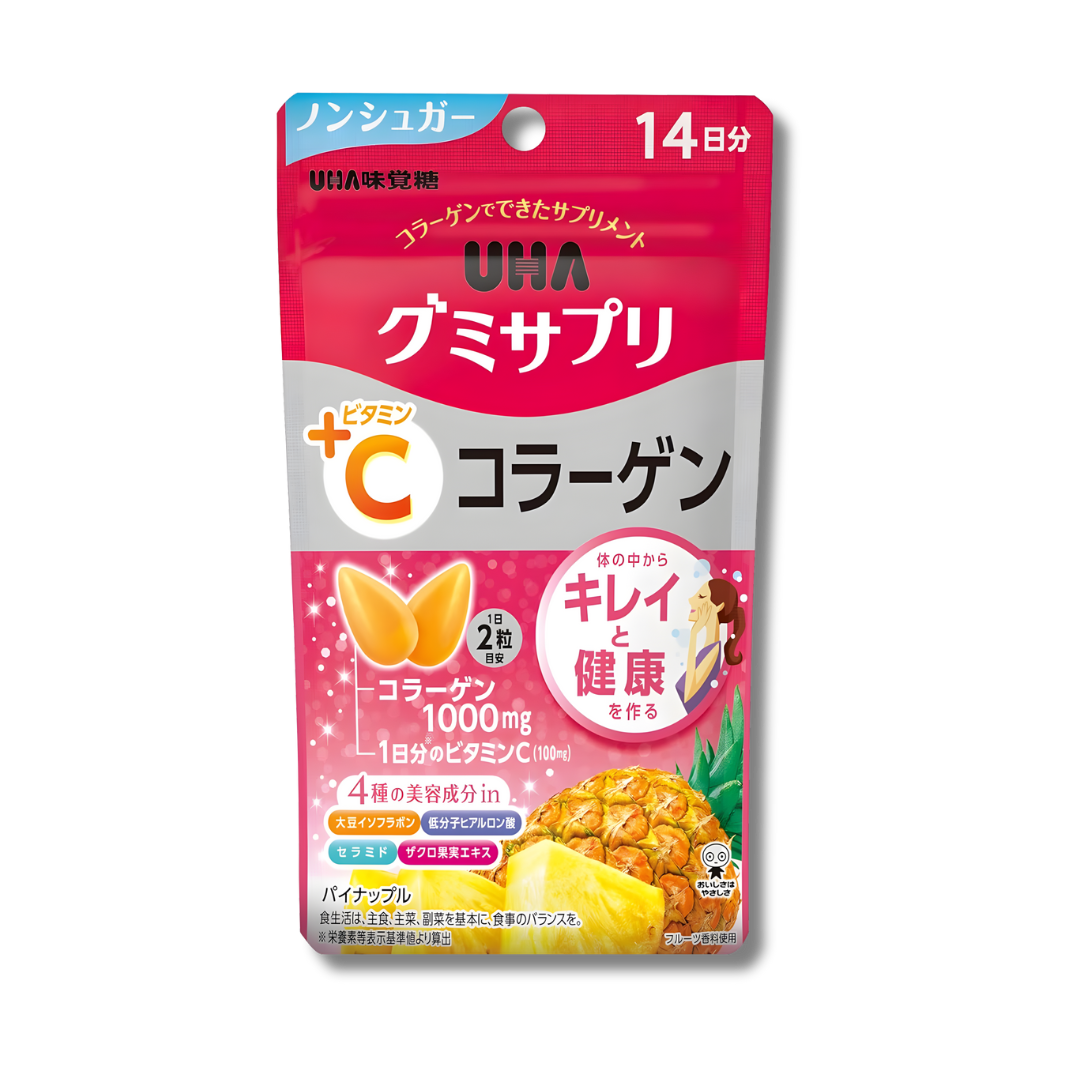
UHA VC + Collagen Gummy (Pineapple)
For sugar-free beauty support: Sugar-free gummies with collagen, vitamin C, and additional beauty-related ingredients, which may help supplement the daily diet of those focused on skin condition.
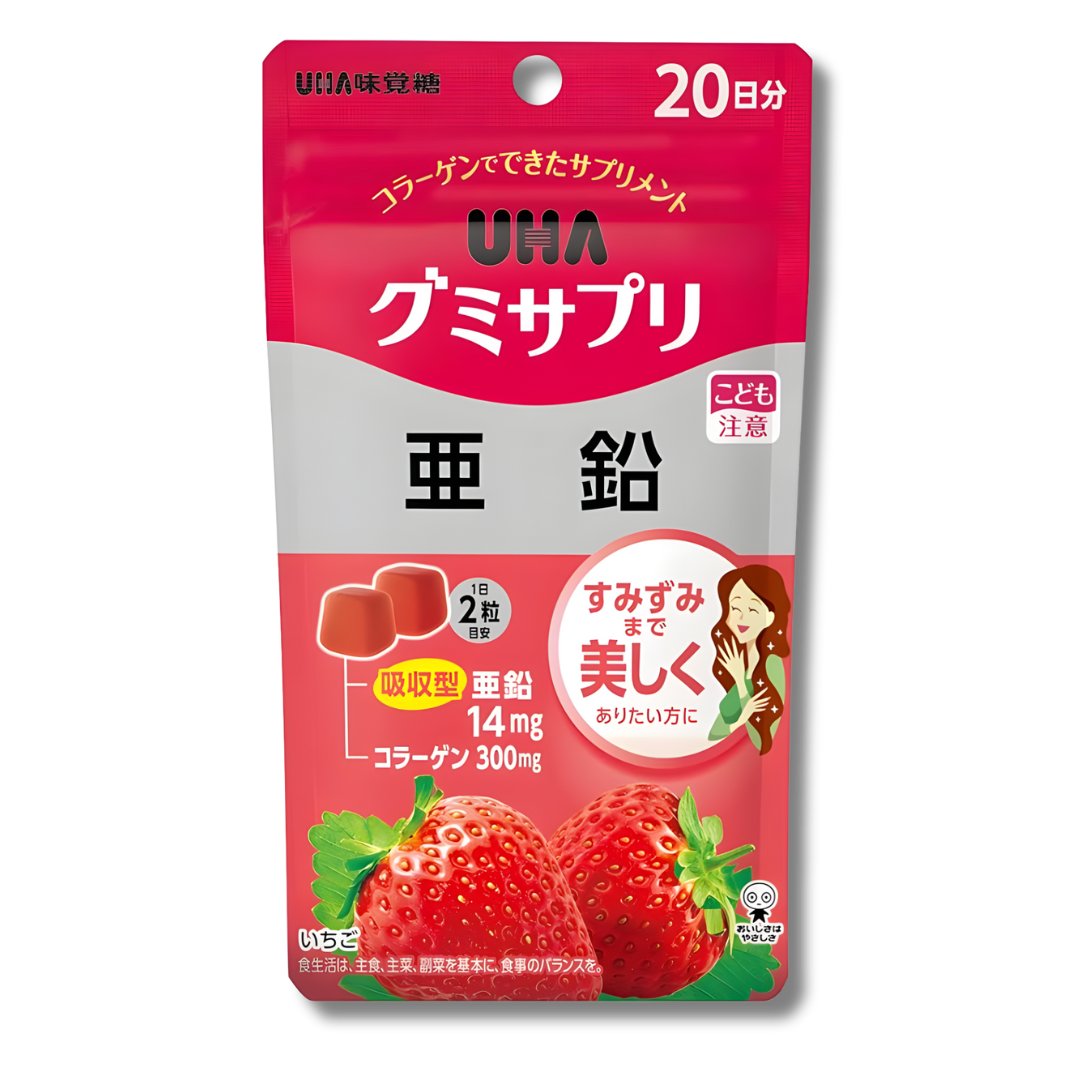
UHA Mikakuto Gummy with Zinc (Strawberry)
For zinc intake support: Strawberry-flavored gummies with zinc, which may support daily zinc intake for active adults.
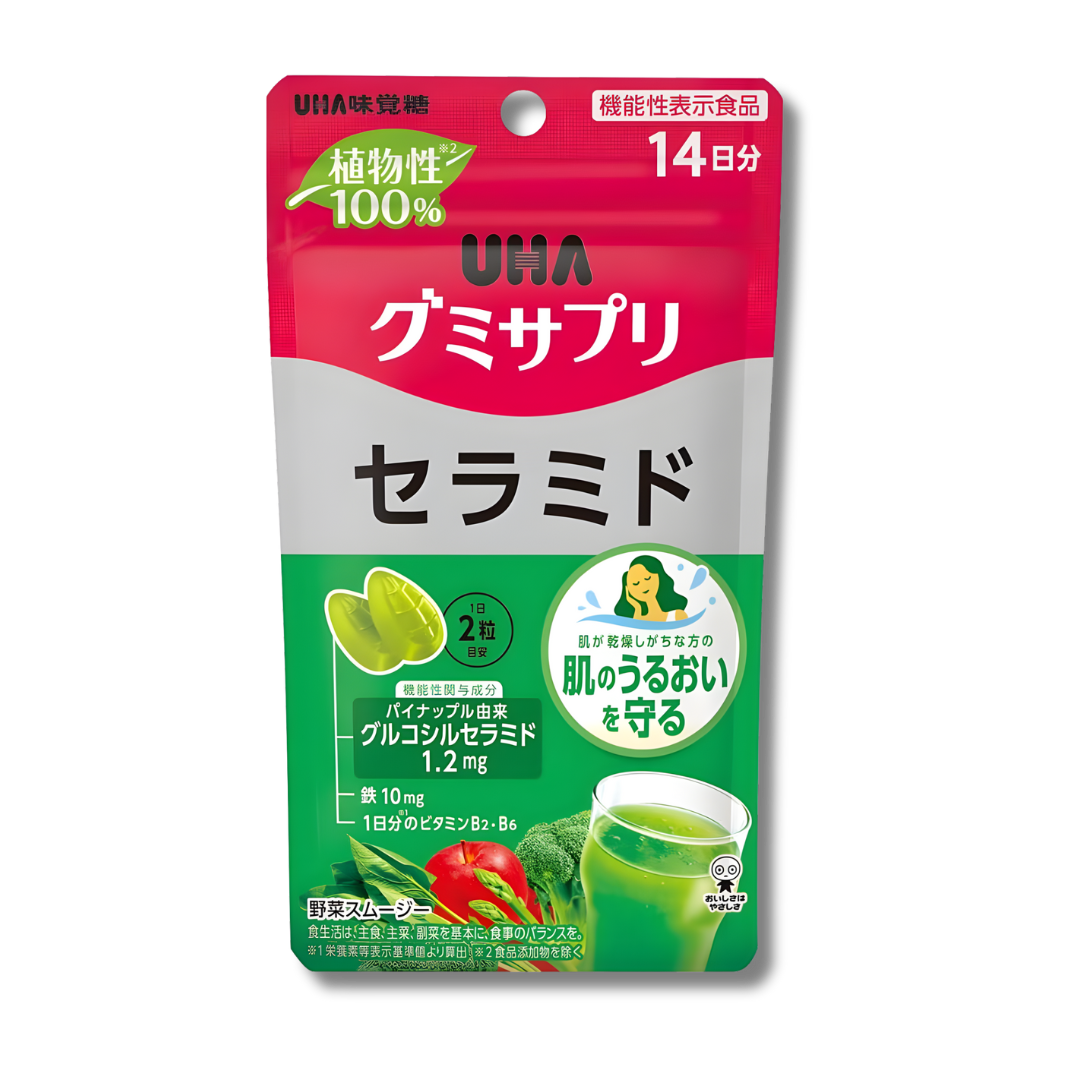
UHA Gummy Ceramide
(Vegetable Smoothie)
For skin hydration support: Gummies with pineapple-derived glucosylceramide, which may support the diet of people paying attention to skin hydration.
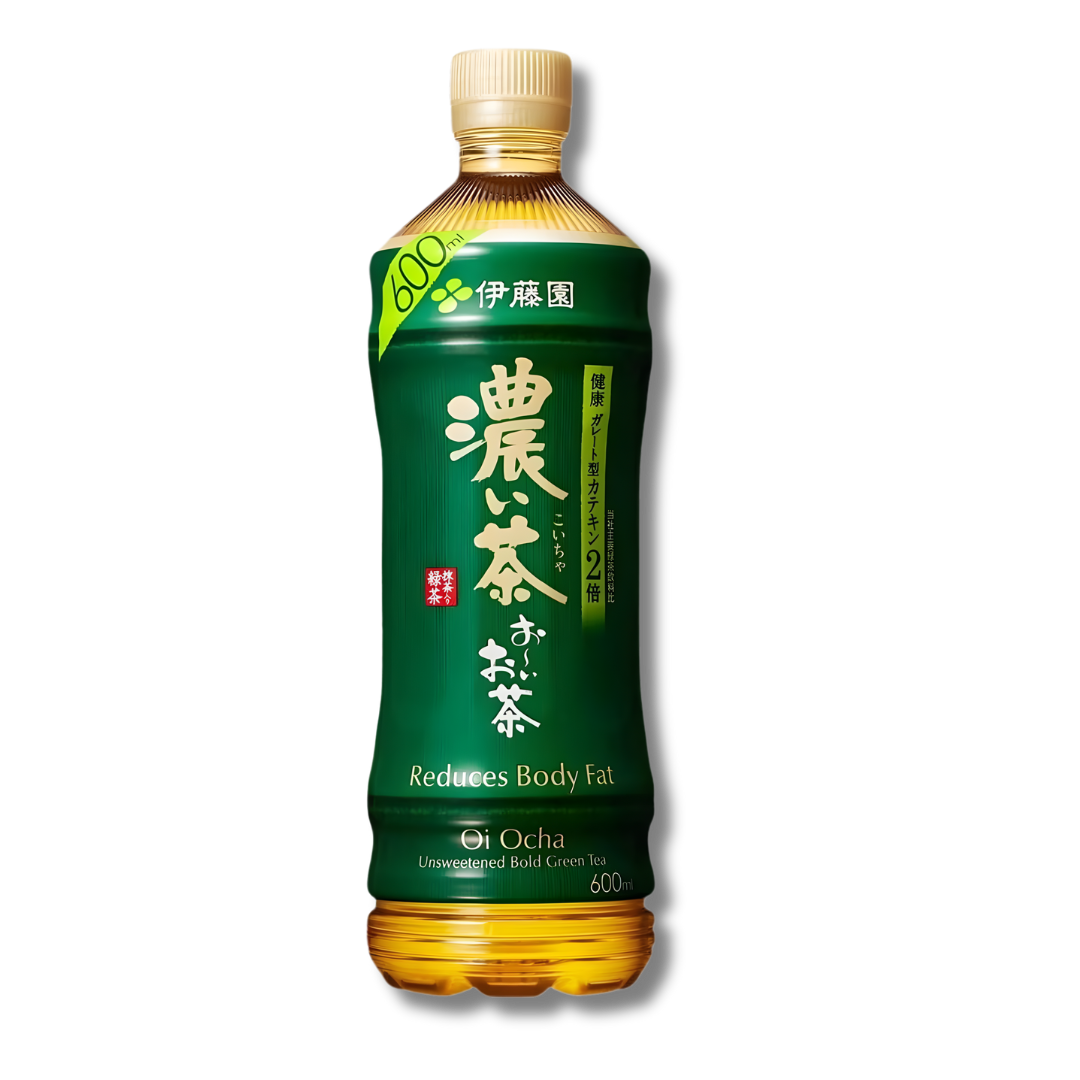
Ito En Oi Ocha Dark Tea
For body fat management: Unsweetened Japanese green tea with gallate catechins, which may support the reduction of body fat.
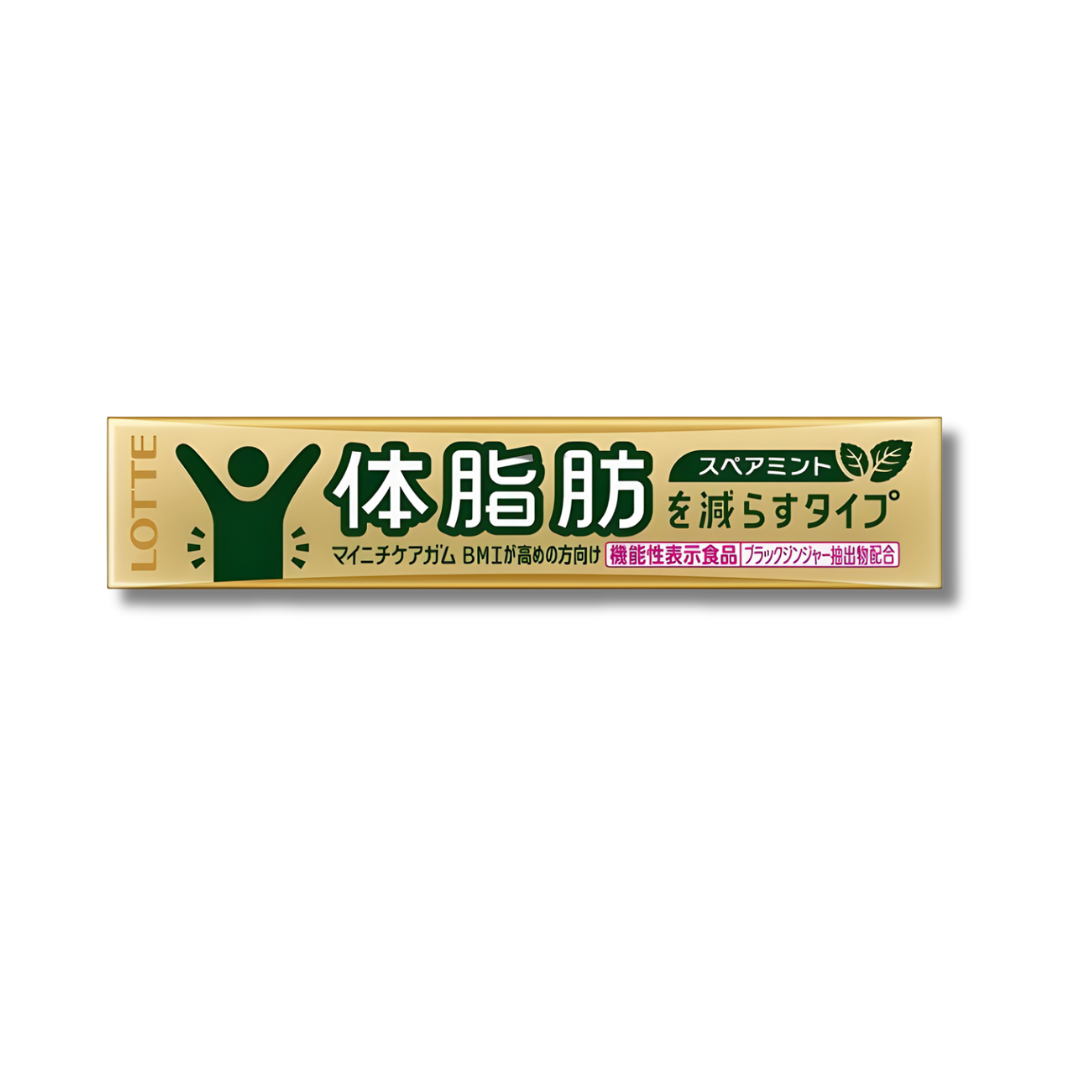
Lotte Mainichi Care Gum
(Body Fat Reduction Type)
For BMI-conscious routines: Chewing gum with black ginger extract and oolong tea, which may support body fat management for people mindful of their BMI.
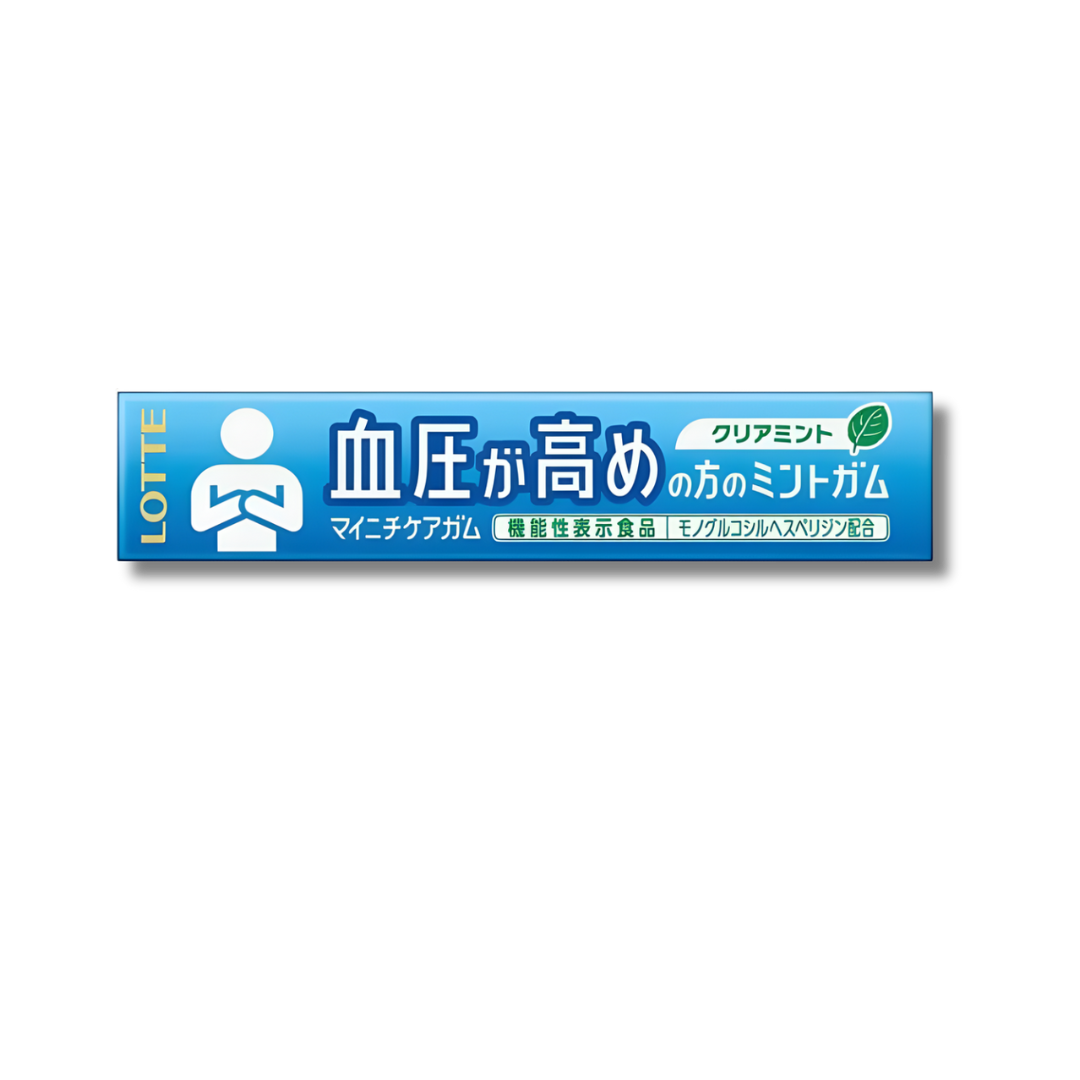
Lotte Mainichi Care Mint Gum (Blood Pressure Type)
For blood pressure maintenance: Functional mint gum with hesperidin, which may support maintaining normal blood pressure as part of a healthy lifestyle.

Lotte Black Black Energy Drive
For energy and alertness on the go: Mint-flavored energy gum with caffeine and B vitamins, which may promote alertness and mental sharpness during demanding moments of the day.
IMPORTANT INFORMATION
All products described above are food products, not medicines. They do not guarantee health improvements and are not intended to diagnose, treat, cure, or prevent any disease. The effects of individual ingredients may vary depending on personal factors, lifestyle, and overall diet. These products should be consumed as part of a diverse and balanced diet, and in accordance with the manufacturer’s recommendations.


