




![Fino Premium Touch Rich Serum Hair Mask – Deep Repair & Silky Smooth Hair 230g [With alcohol]](http://wabisabi-store.jp/cdn/shop/products/Bestseller-Maska-do-wlosow-silnie-odbudowujaca-FINO-Premium-Touch-od-Shiseido-300g-Shiseido.jpg?v=1630161222&width=500)
![Fino Premium Touch Rich Serum Hair Mask – Deep Repair & Silky Smooth Hair 230g [With alcohol]](http://wabisabi-store.jp/cdn/shop/products/Bestseller-Maska-do-wlosow-silnie-odbudowujaca-FINO-Premium-Touch-od-Shiseido-300g-Shiseido-2.jpg?v=1630161222&width=600)
![Shiseido KOTO Fancy Powder (Pressed) – Perfumed Powder for Luxurious Body Care 110g [Alcohol-free]](http://wabisabi-store.jp/cdn/shop/files/31OSYGq2h5L.jpg?v=1736363998&width=500)
![Shiseido KOTO Fancy Powder (Pressed) – Perfumed Powder for Luxurious Body Care 110g [Alcohol-free]](http://wabisabi-store.jp/cdn/shop/files/31XhNJ9JhPL._AC.jpg?v=1736363999&width=421)
![Pelican Soap - *Dermo Cosmetic* Soap with Shibu Kaki/Persimmons eliminating unpleasant odor and acne 80gx2 [Alcohol-free]](http://wabisabi-store.jp/cdn/shop/files/4976631479392.jpg?v=1724311362&width=700)
![KOKURYU - *DERMO COSMETIC* Strongly moisturizing and rejuvenating cream 70g [Alcohol-free]](http://wabisabi-store.jp/cdn/shop/products/4901477011802.webp?v=1668064918&width=700)
![KOKURYU - *DERMO COSMETIC* Strongly moisturizing and rejuvenating cream 70g [Alcohol-free]](http://wabisabi-store.jp/cdn/shop/products/item14_1_02.jpg?v=1668064922&width=700)

![BESTSELLER-SUHADA KINENBI - NEW VERSION! Nourishing powder-serum for night and day 10g [Alcohol-free]](http://wabisabi-store.jp/cdn/shop/files/DAF67291-C3CC-454C-99E2-09D3A6DADA00.jpg?v=1709277760&width=560)
![BESTSELLER-SUHADA KINENBI - NEW VERSION! Nourishing powder-serum for night and day 10g [Alcohol-free]](http://wabisabi-store.jp/cdn/shop/files/8CA613BC-1818-4BF1-BC97-F8A9F2D1AD3D.jpg?v=1709364150&width=700)
What Is Japan’s Secondhand Culture?
Beyond “Mottainai”
– A Nation That Values Objects
Japan’s secondhand culture is extremely unique from a global perspective.
In many countries, secondhand items are associated with compromise, but in Japan, they are often seen as high-quality, clean, and valuable. They are positively valued rather than avoided.
So why are secondhand goods in Japan considered so special?
The answer lies in Japan’s unique values and cultural background.
Japanese Values – Meaning Embedded in Objects
Japan’s secondhand culture cannot be explained by “mottainai” alone. There is a deeper philosophy toward objects.
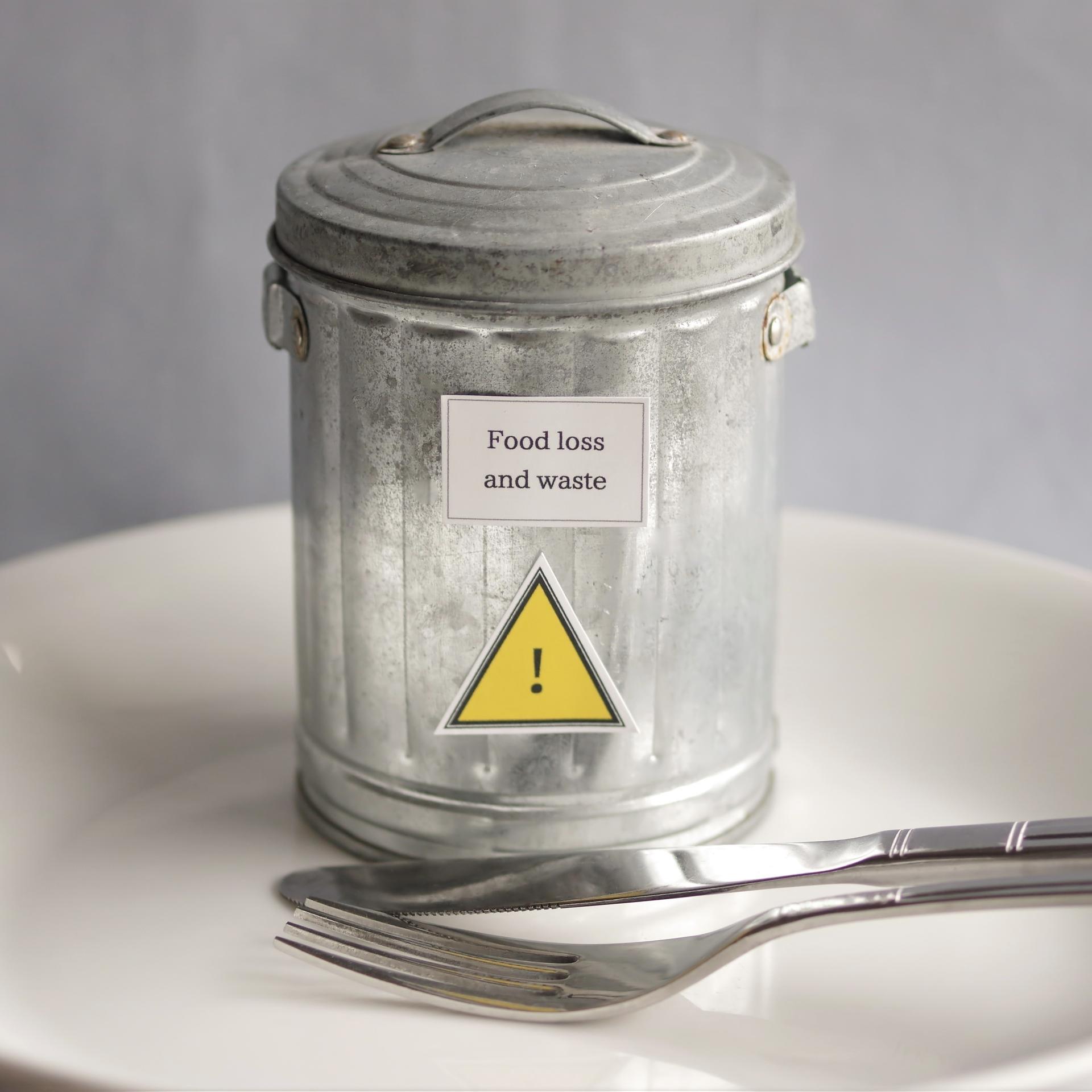
Mottainai
A belief that it is wasteful to discard things that are still usable.
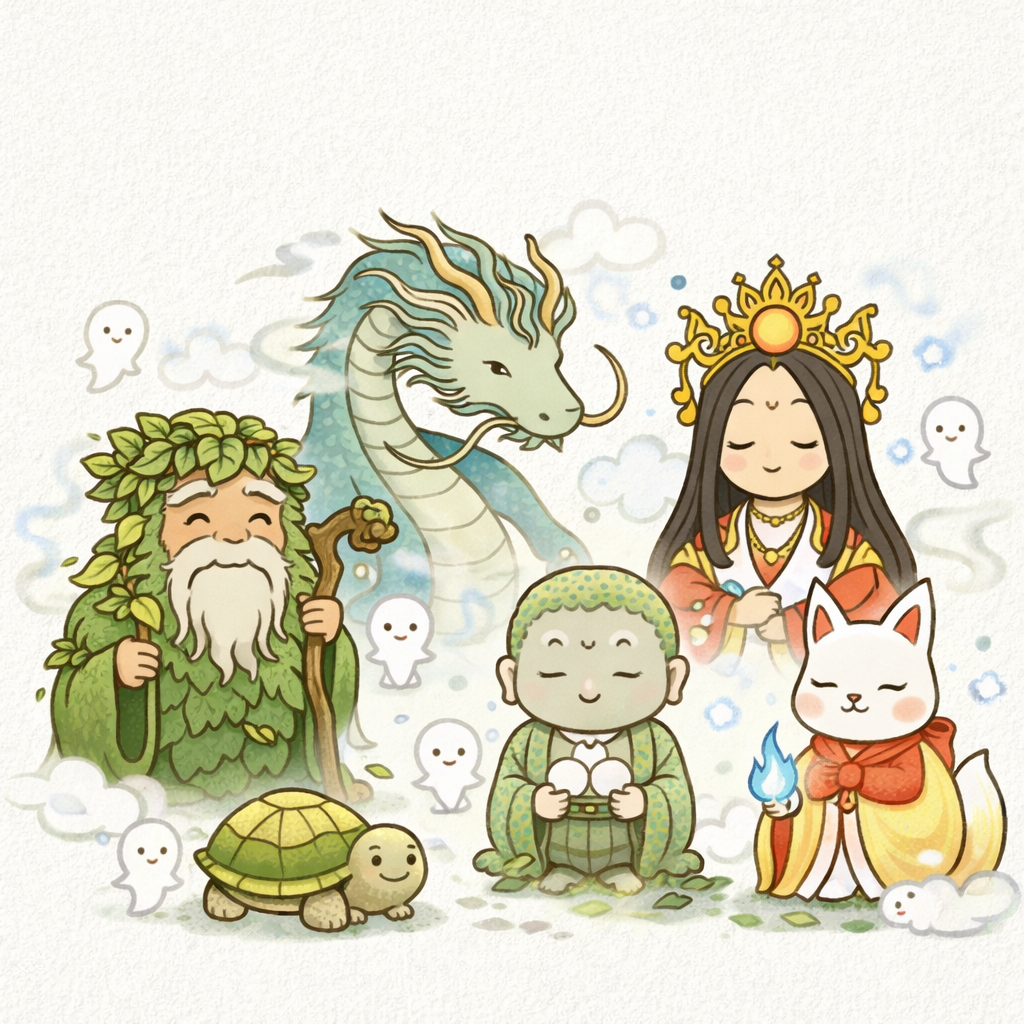
Yaoyorozu no Kami (Eight Million Gods)
A Shinto belief that gods reside in all things. This leads to respect for objects.
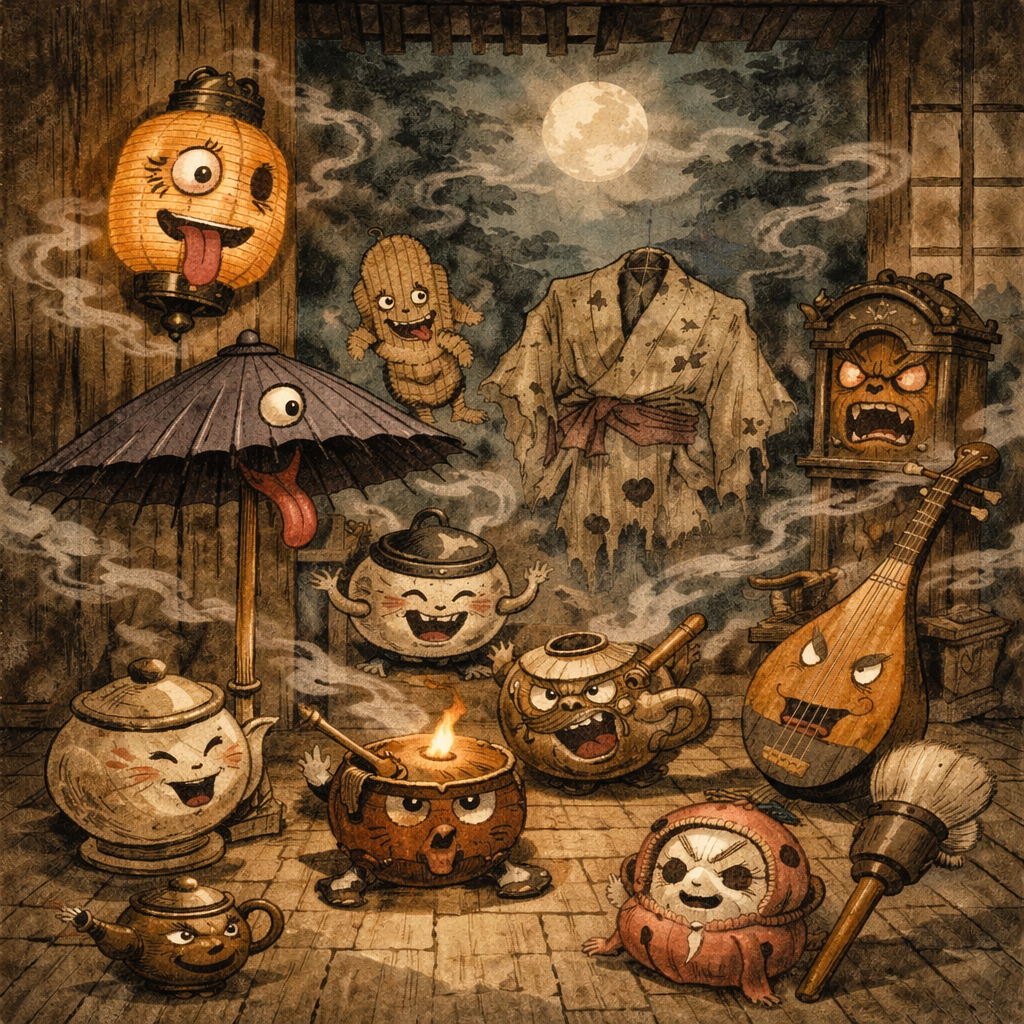
Tsukumogami
The idea that objects gain a spirit after long use. One reason why items are not treated carelessly.
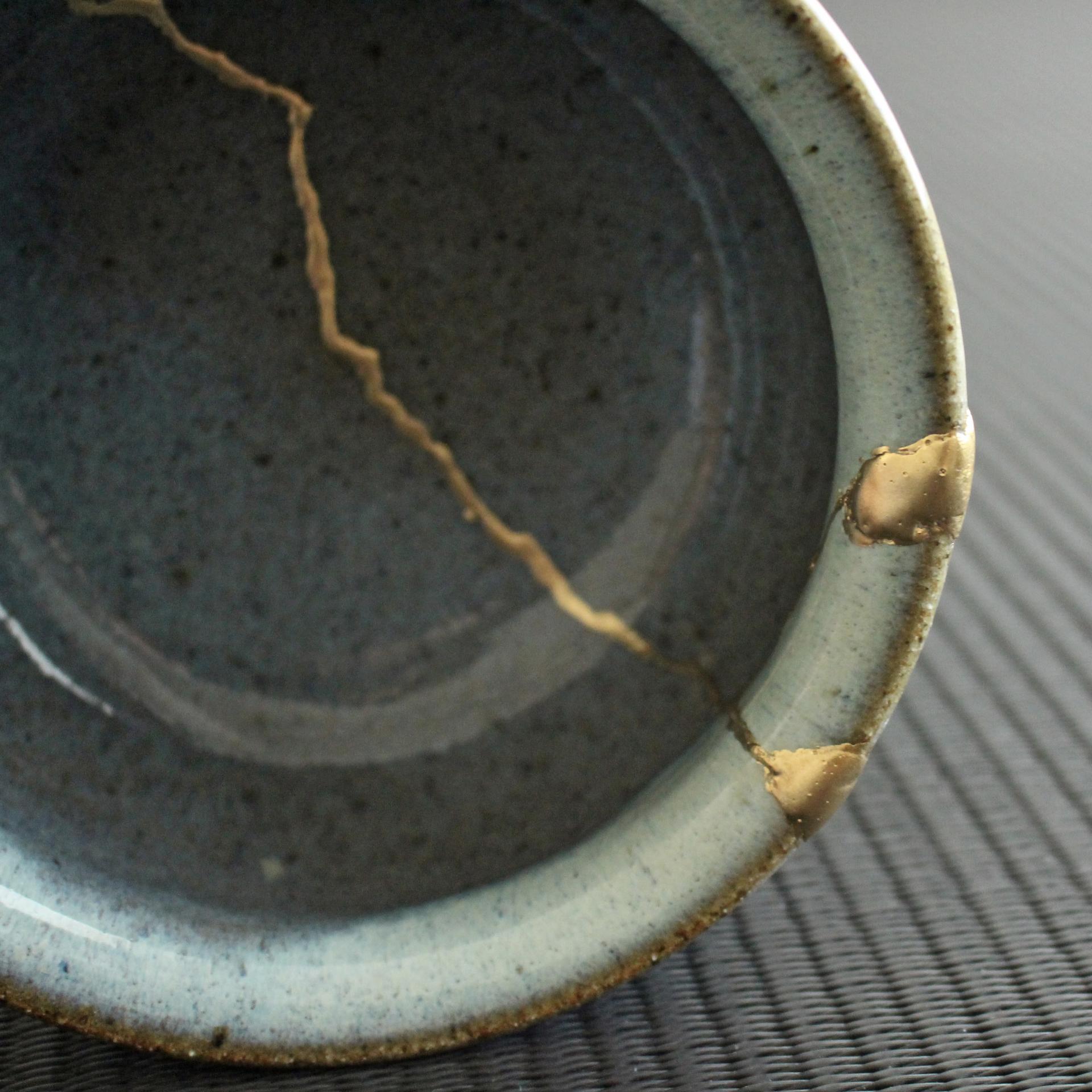
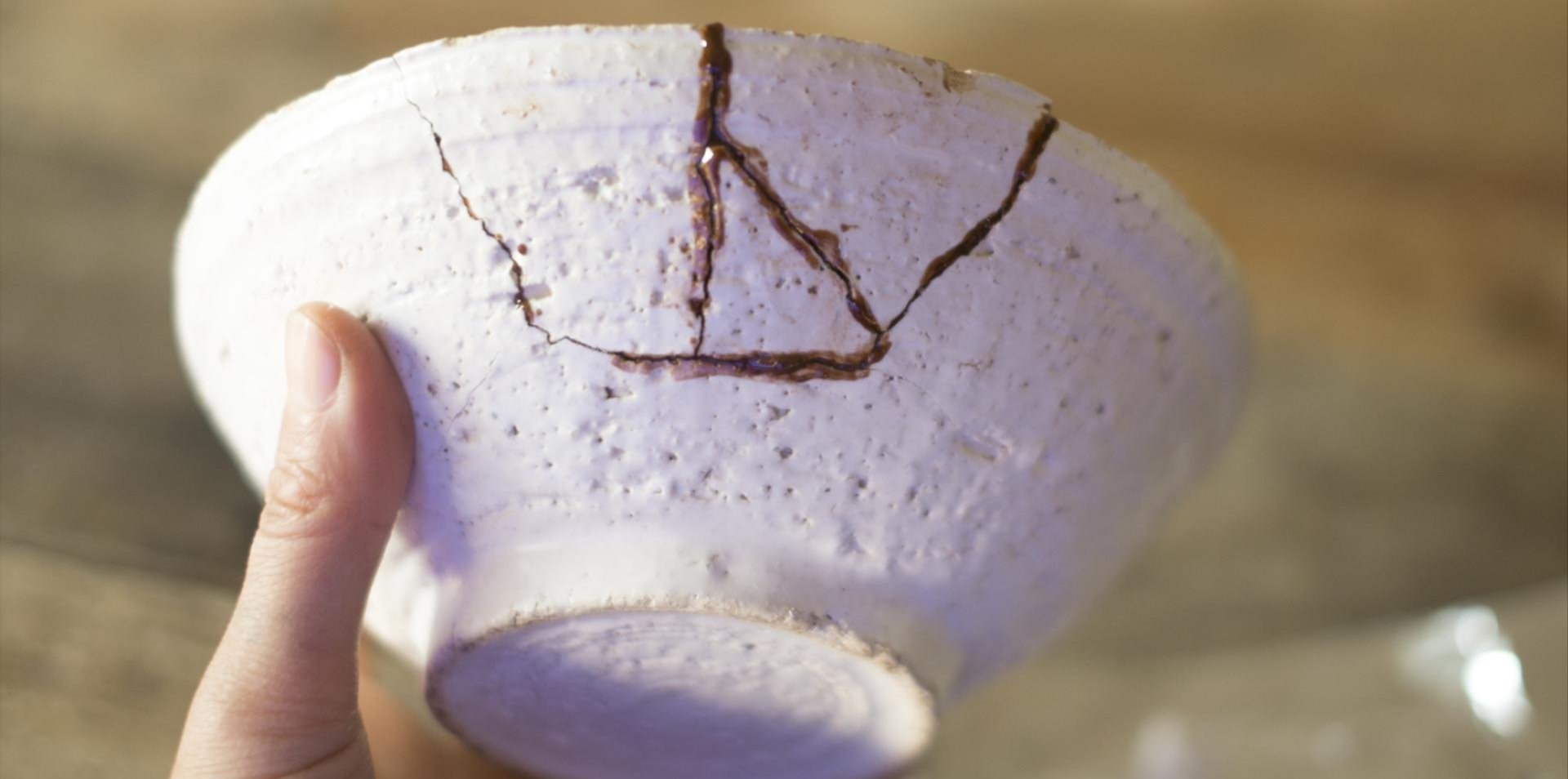
Kintsugi
The art of repairing broken items and giving them new value. Repairing equals value.
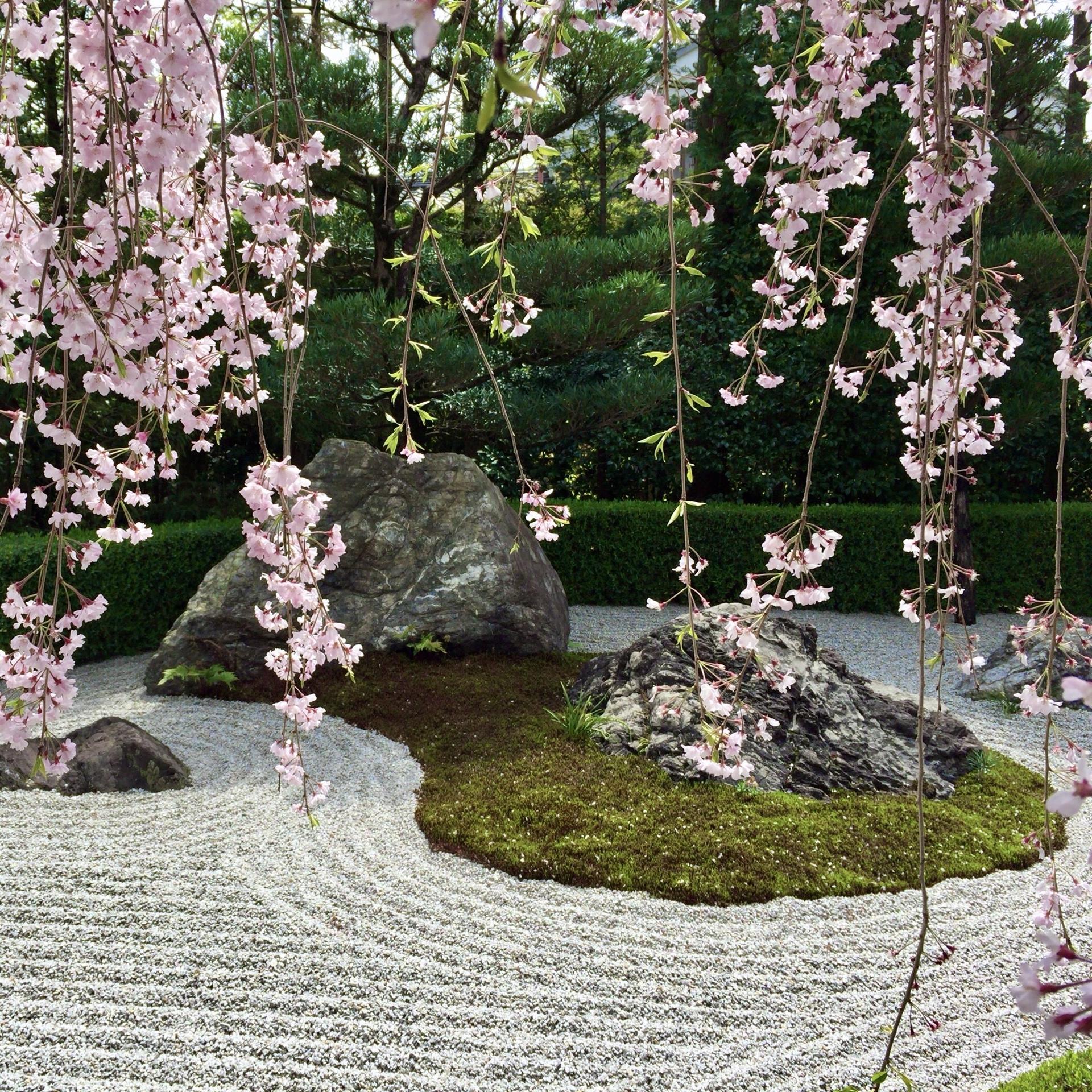
Wabi-Sabi
An aesthetic that finds beauty in imperfection and age. Time itself adds value.
Because of these philosophies, in Japan objects are not just consumed—they are lived with.
They are treated as companions rather than disposables.
As a result, even secondhand items are often kept in excellent condition.
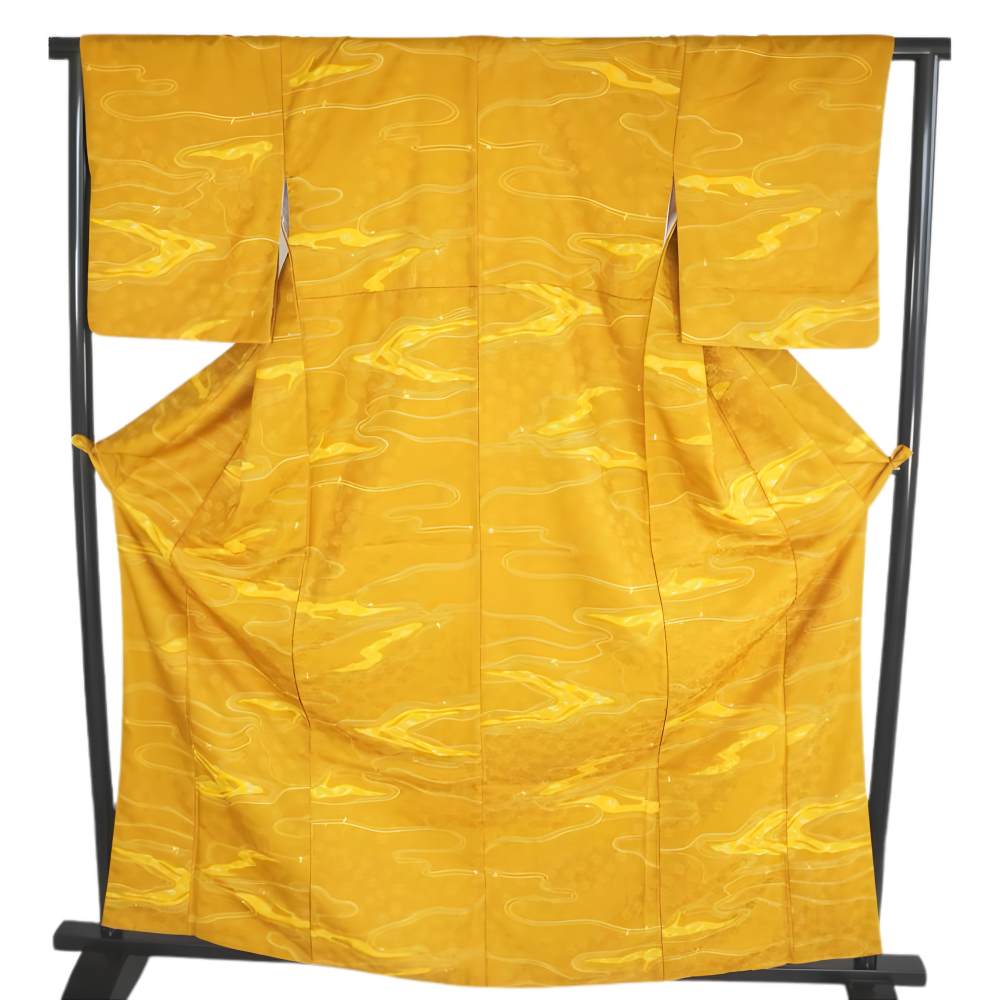
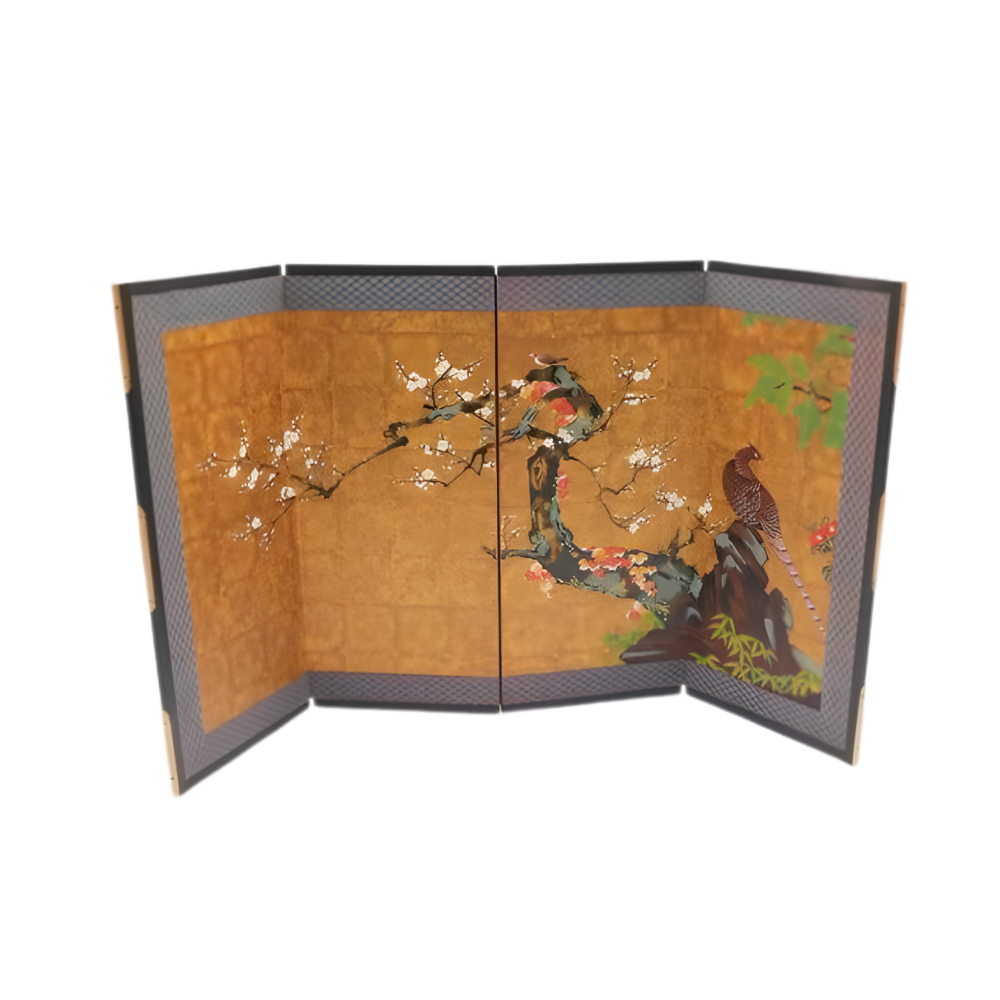
Kimono Traditional Wear Reuse Culture
In Japan, kimono have historically been treated not just as clothing, but as assets and cultural heritage.
✔ Why Kimono Are Reused
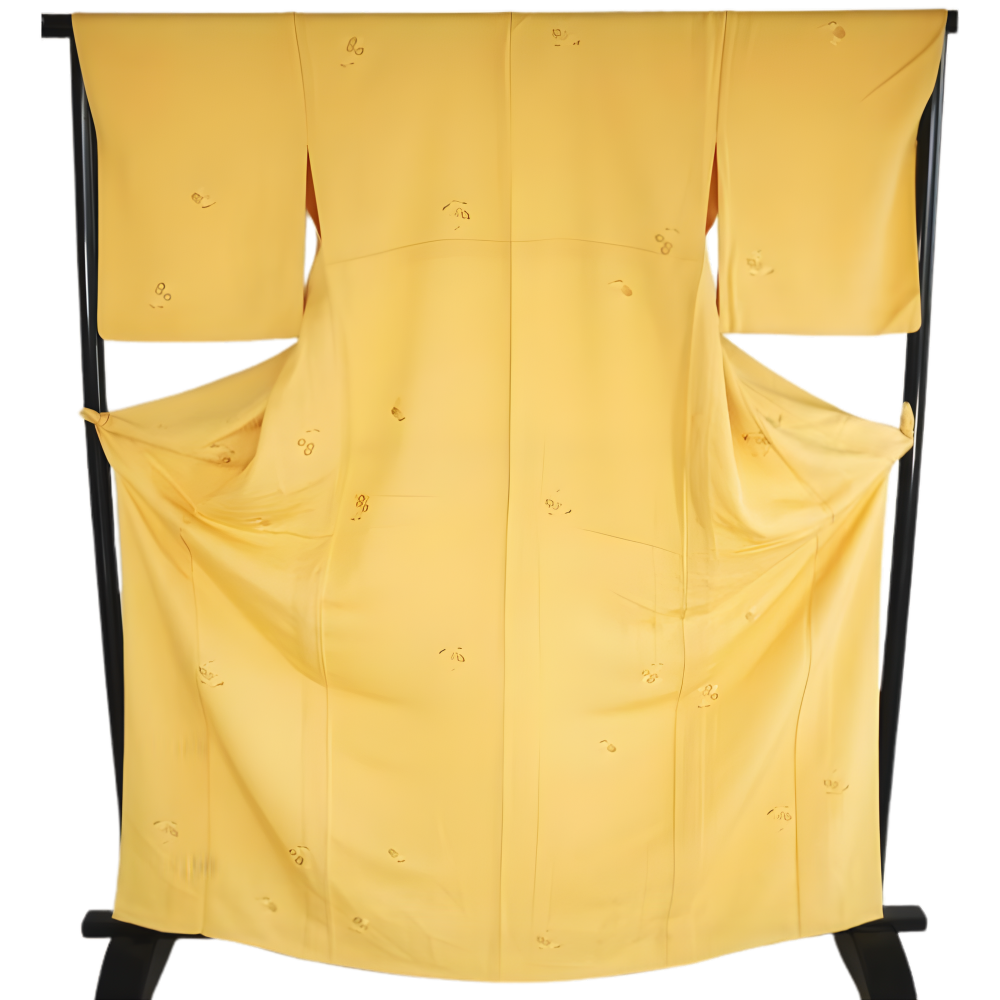
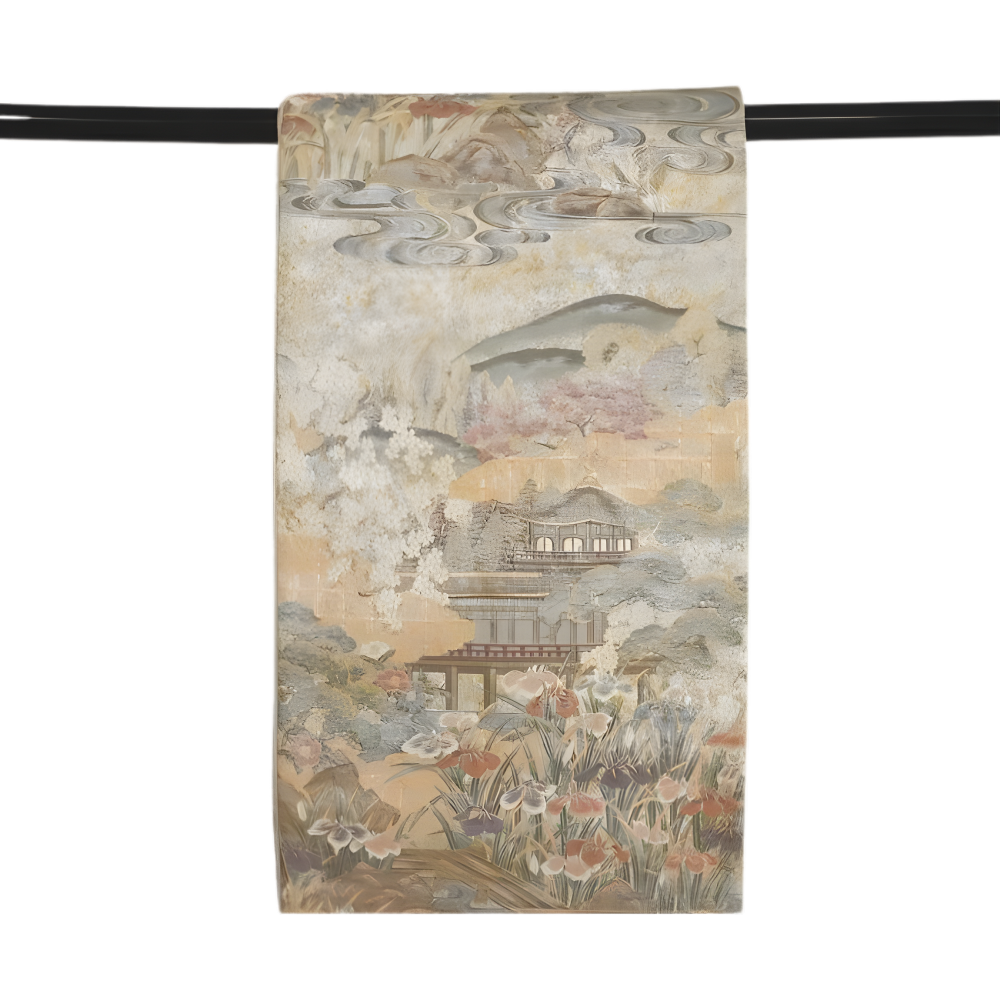
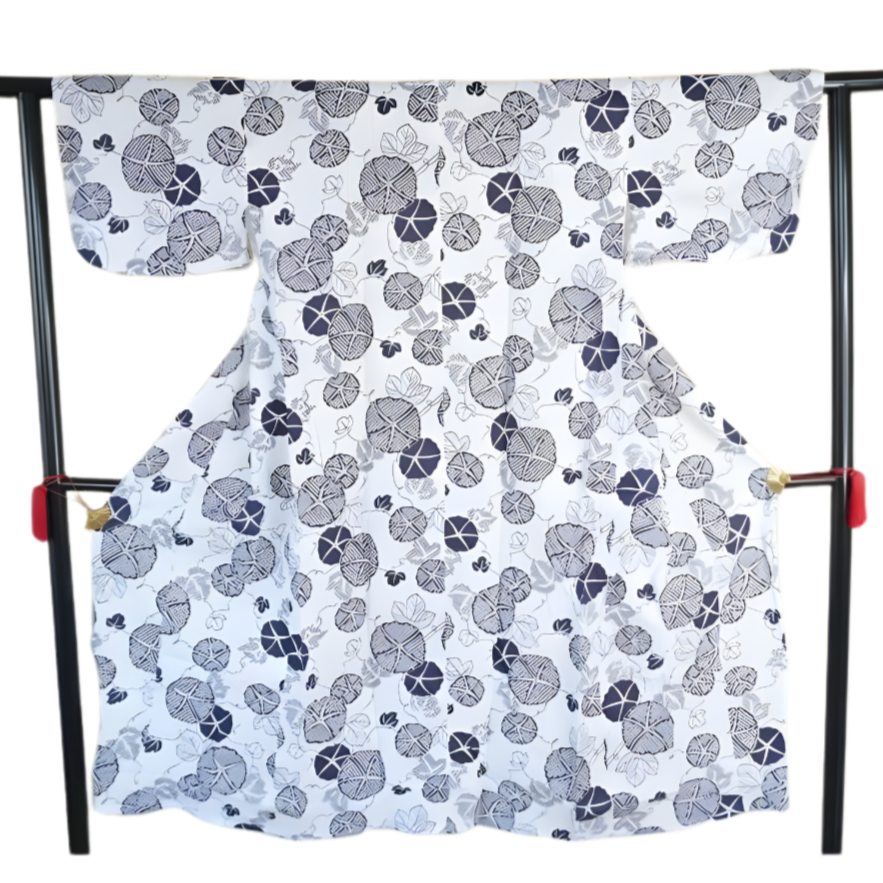
In Japan, kimono have historically been treated not just as clothing, but as assets and cultural heritage. Kimono are very expensive, often costing hundreds or even thousands of dollars as a full set. They are often passed down from parent to child across generations.
✔ Adjustable Structure
Kimono can be resized and tailored to fit different body types. This allows them to be used for many years.
✔ Value as Antiques
Vintage kimono often feature patterns and dyeing techniques that cannot be reproduced today. They are valued as collectibles and works of art.
✔ Remake Culture
In recent years, kimono have been transformed into: Bags, Dresses, Interior items. Giving them a second life in modern forms.
Japanese Ceramics Secondhand Culture
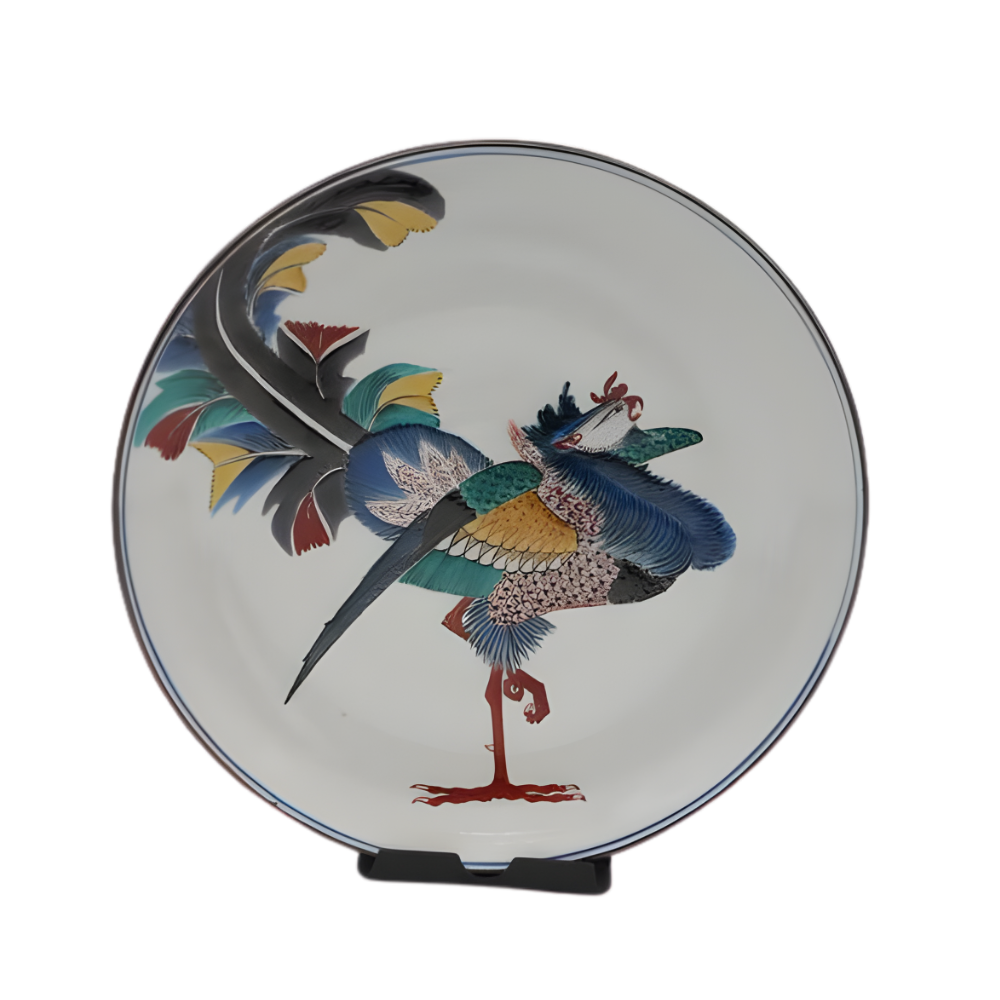
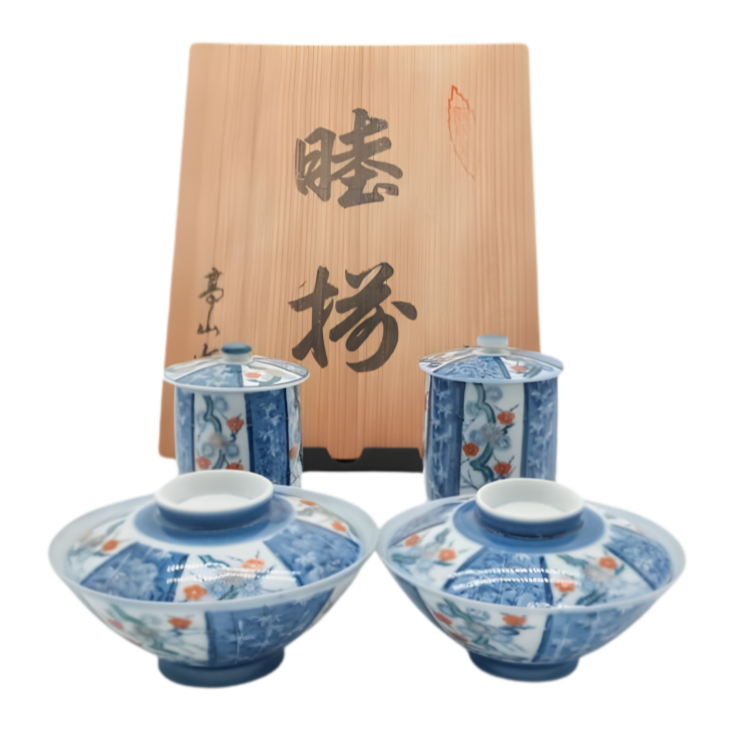
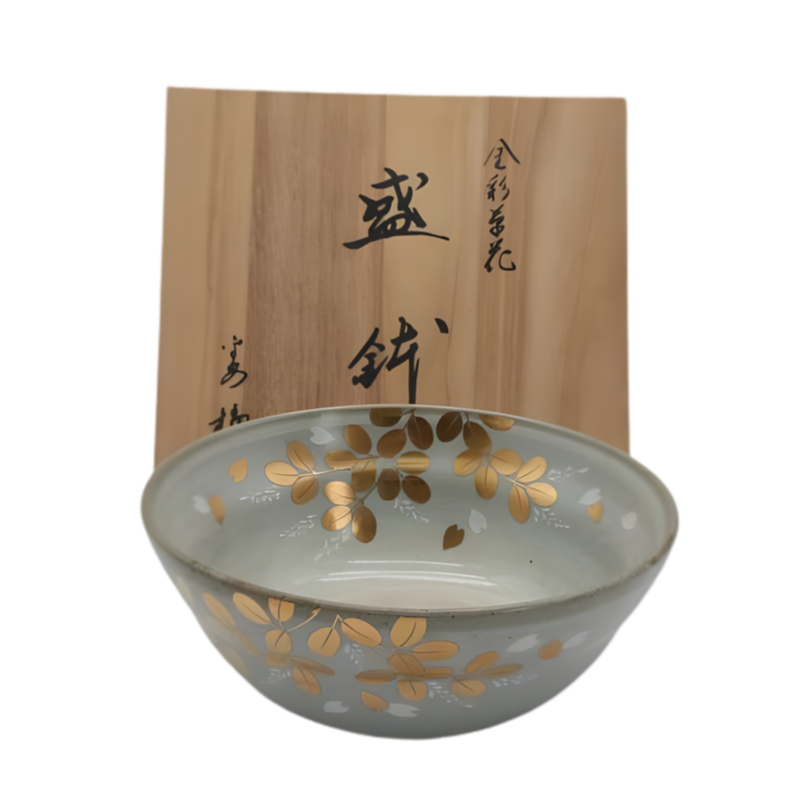
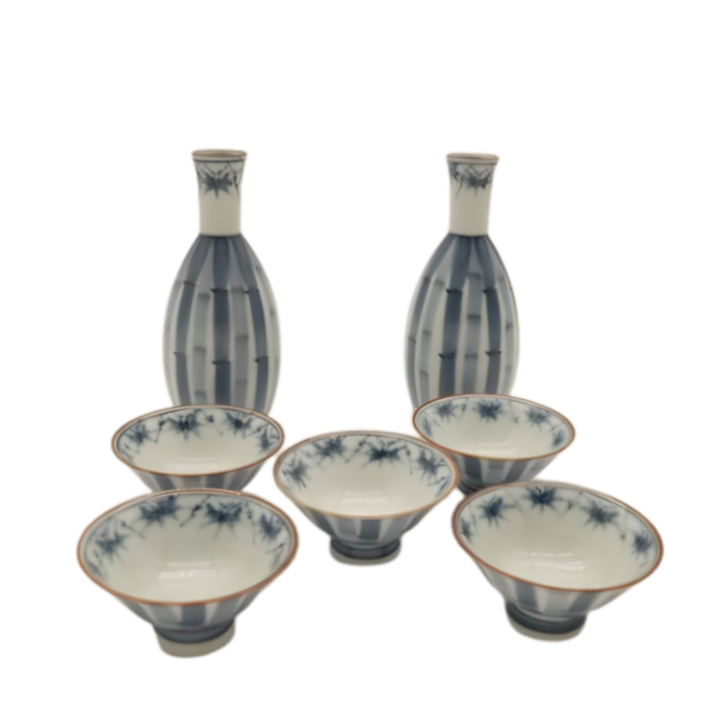
Japanese ceramics are both everyday items and works of art.
✔ Made to Last
Japanese tableware is designed for long-term use. It is common to use them for many years unless broken.
✔ Beauty of Aging
Over time, the color and texture evolve with use. This aging process is appreciated as added value.
✔ Connection with Kintsugi
Broken ceramics are often repaired instead of discarded. Sometimes repairs increase their value.
✔ Regional Characteristics
Japan has many ceramic regions, such as: 美濃焼 (Mino ware), 有田焼 (Arita ware), 九谷焼 (Kutani ware). Each has its own unique aesthetic.
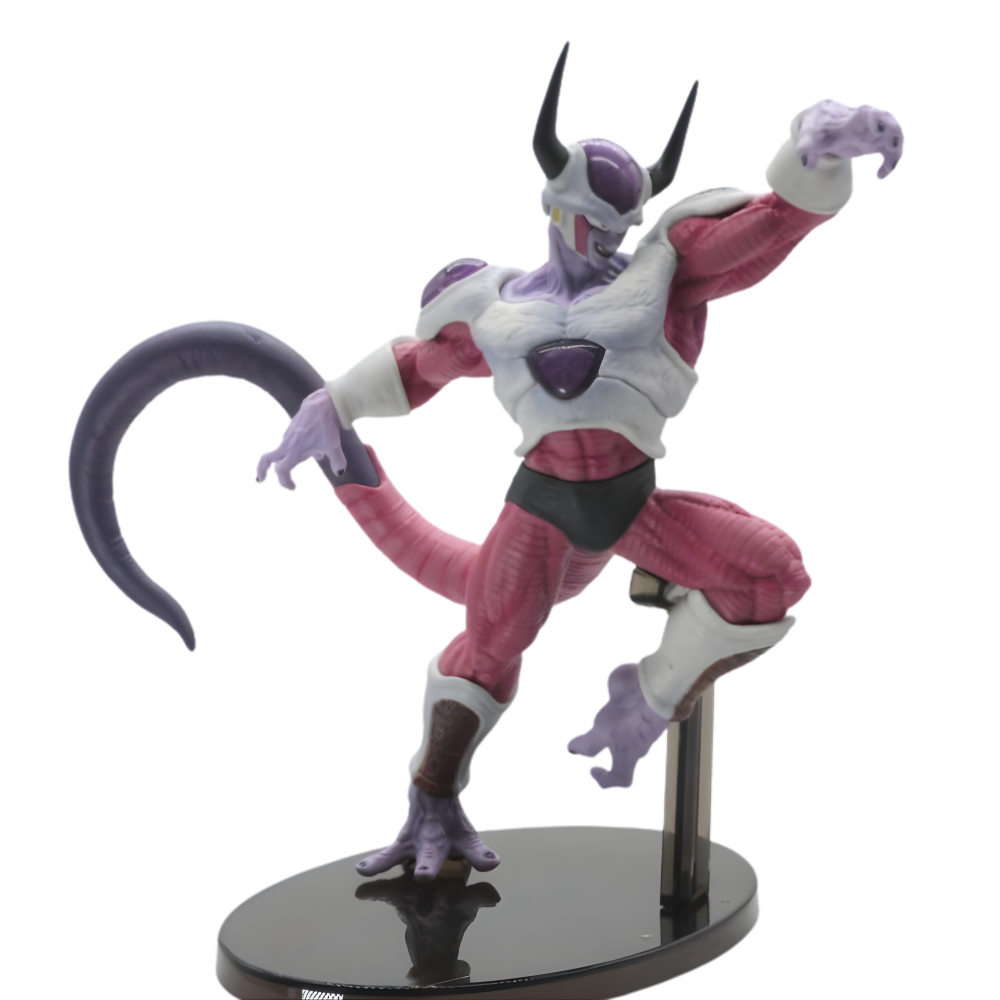
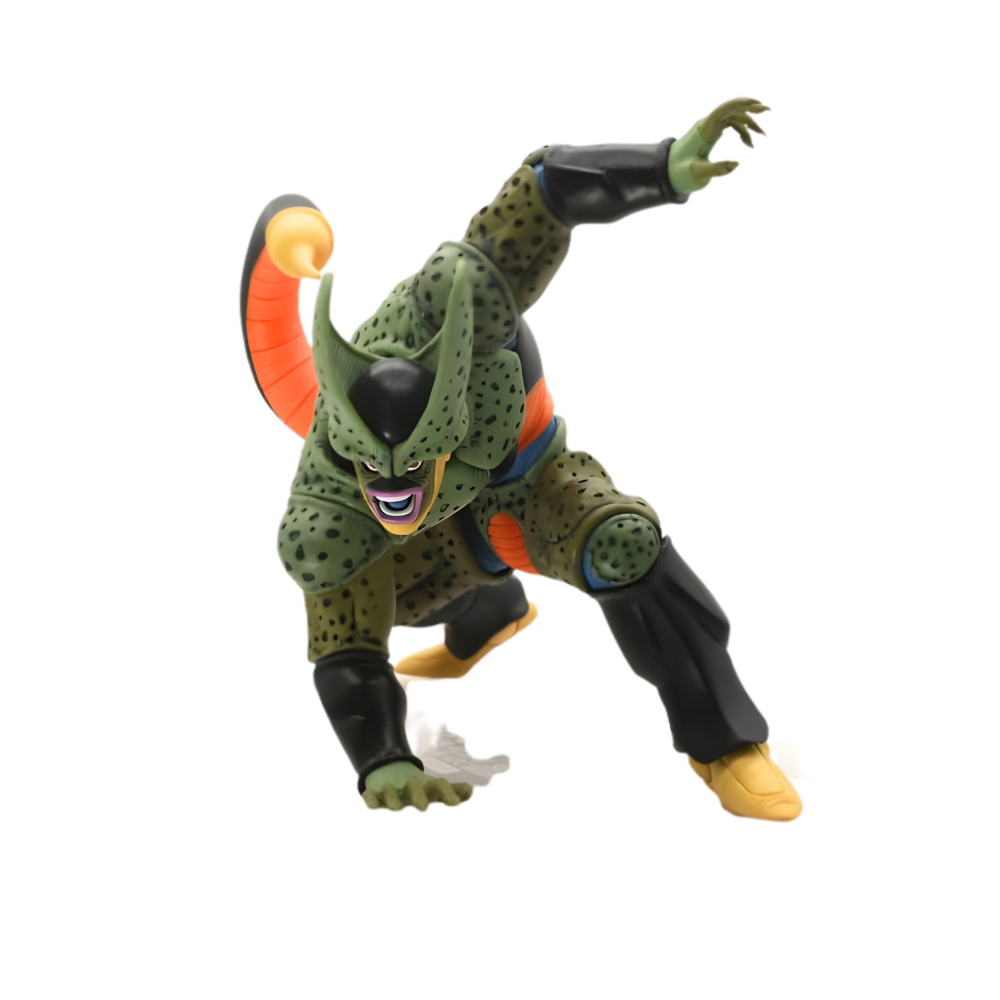
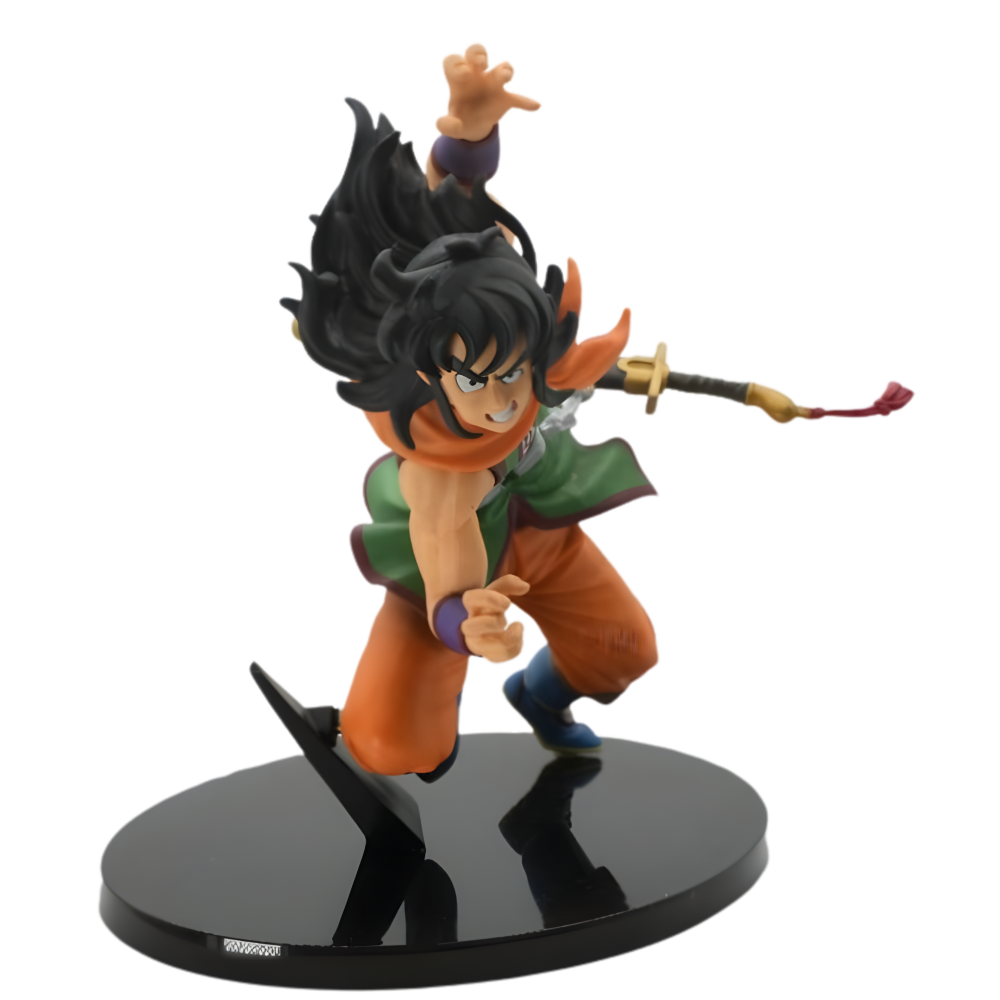
Anime Figures and Secondhand Culture
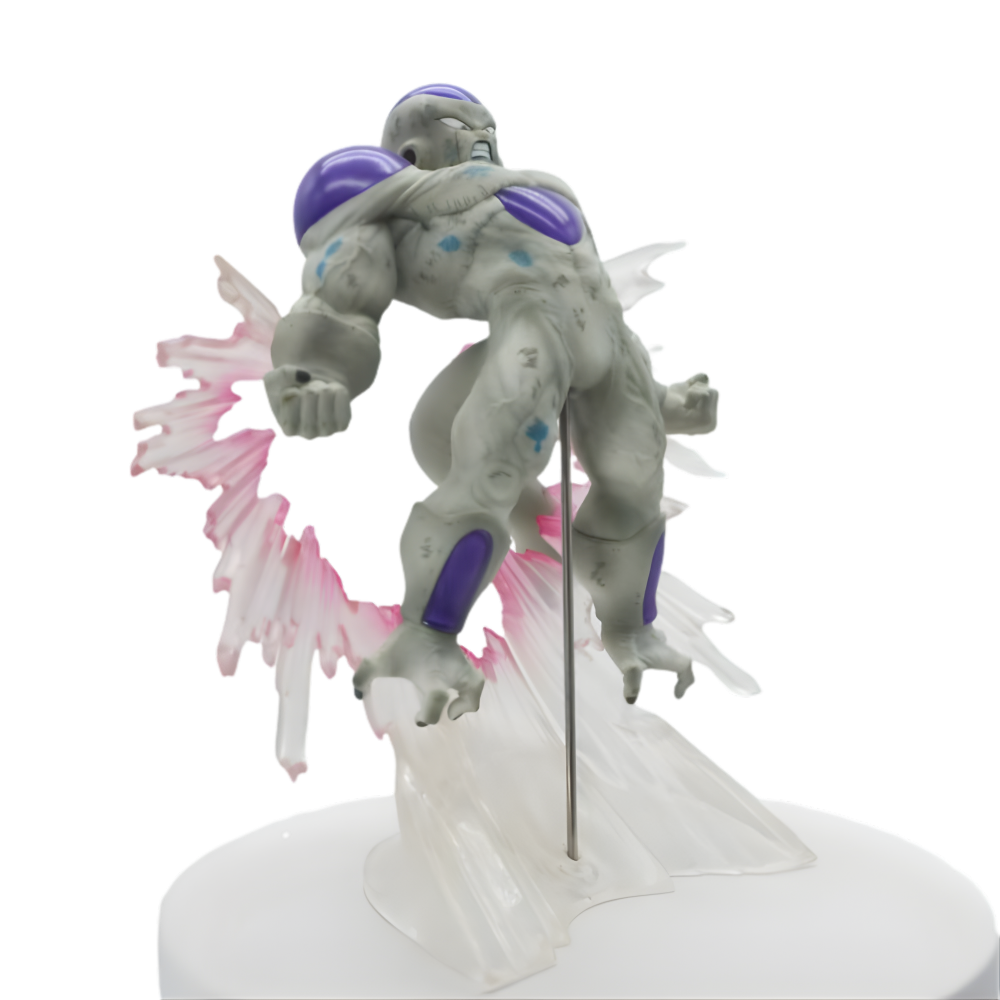
Among Japan’s secondhand markets, anime figures are especially popular worldwide.
✔ Limited & Discontinued Culture
Many figures are produced in limited quantities and are rarely re-released. If missed, they may never be available again.
✔ Secondhand Market as Main Distribution
As a result, the secondhand market becomes the main way to obtain them.
✔ Excellent Condition
Japanese collectors carefully preserve figures, including boxes and accessories. Many secondhand items are close to mint condition.
✔ Collector Culture
Figures are not just products, but considered part of the artwork itself.
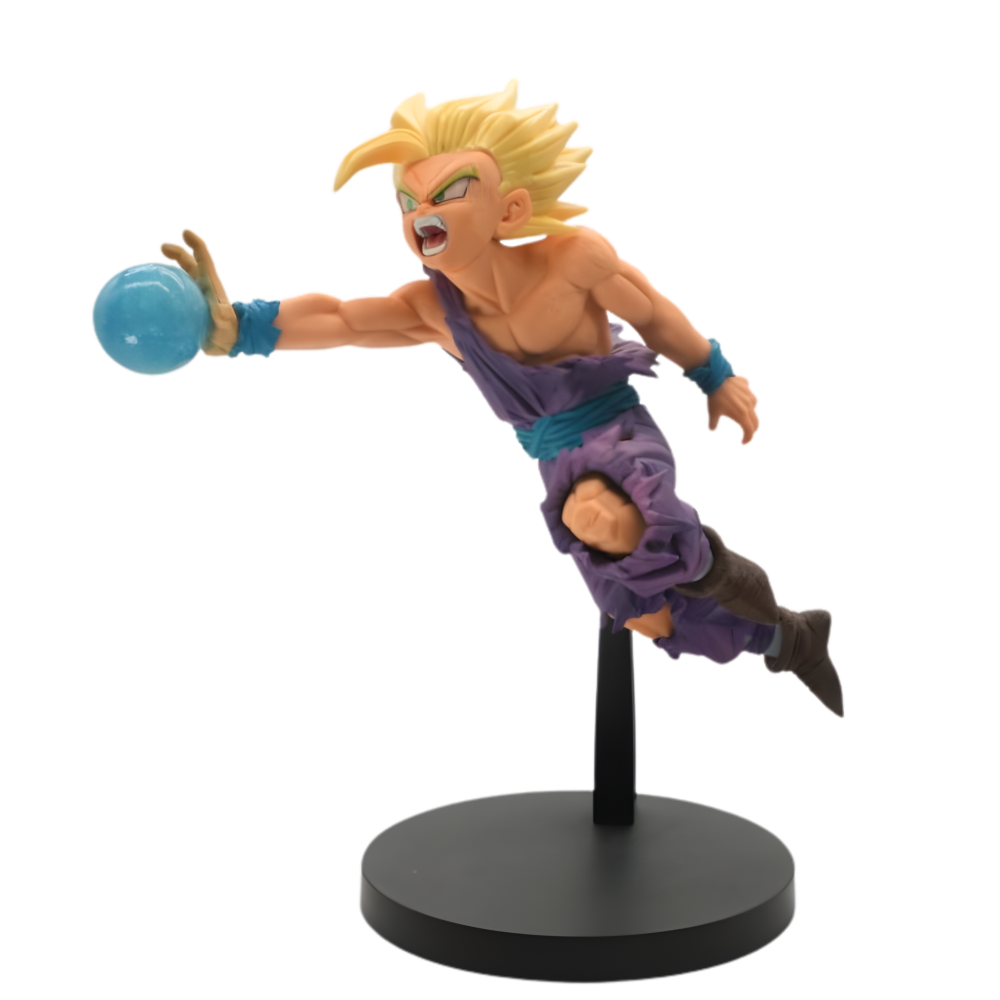
What these categories share is that they are created with long-term use in mind.
And therefore, their value does not easily diminish even as secondhand items
Experience Japanese Secondhand Culture
at WABI-SABI STORE
Japan’s secondhand culture is not just about reuse, but about inheriting value, history, and aesthetics.
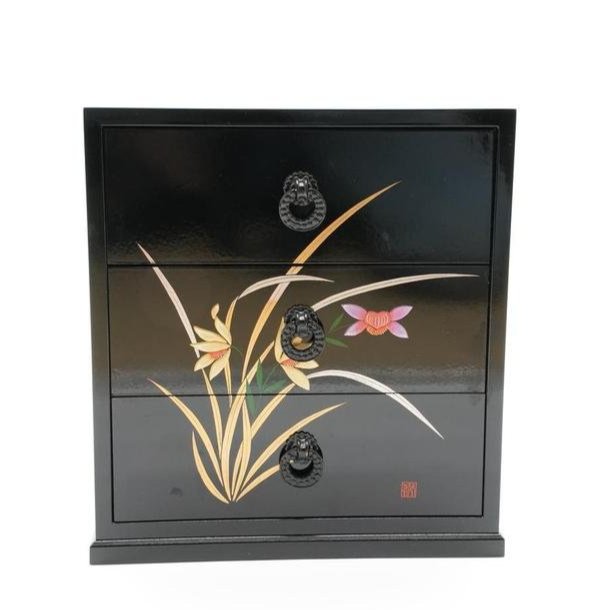
At WABI-SABI STORE, we respect this philosophy and carefully curate items that represent authentic Japanese secondhand and vintage culture.

What We Value
At WABI-SABI STORE,
we carefully select not just “used items,” but items with true value for our customers. Unlike large recycling chains, we focus on items that carry cultural meaning and history.
Browse Our Collection
A place where you can discover items no longer available anywhere else


![SOFINA BASIC+ Moisture Turbo Emulsion 120mL – Ceramide Care [Alcohol-free]](http://wabisabi-store.jp/cdn/shop/files/71hoGlr7OWL._AC_SL1500.jpg?v=1790925804&width=700)
