




![Fino Premium Touch Rich Serum Hair Mask – Deep Repair & Silky Smooth Hair 230g [With alcohol]](http://wabisabi-store.jp/cdn/shop/products/Bestseller-Maska-do-wlosow-silnie-odbudowujaca-FINO-Premium-Touch-od-Shiseido-300g-Shiseido.jpg?v=1630161222&width=500)
![Fino Premium Touch Rich Serum Hair Mask – Deep Repair & Silky Smooth Hair 230g [With alcohol]](http://wabisabi-store.jp/cdn/shop/products/Bestseller-Maska-do-wlosow-silnie-odbudowujaca-FINO-Premium-Touch-od-Shiseido-300g-Shiseido-2.jpg?v=1630161222&width=600)
![Shiseido KOTO Fancy Powder (Pressed) – Perfumed Powder for Luxurious Body Care 110g [Alcohol-free]](http://wabisabi-store.jp/cdn/shop/files/31OSYGq2h5L.jpg?v=1736363998&width=500)
![Shiseido KOTO Fancy Powder (Pressed) – Perfumed Powder for Luxurious Body Care 110g [Alcohol-free]](http://wabisabi-store.jp/cdn/shop/files/31XhNJ9JhPL._AC.jpg?v=1736363999&width=421)
![Pelican Soap - *Dermo Cosmetic* Soap with Shibu Kaki/Persimmons eliminating unpleasant odor and acne 80gx2 [Alcohol-free]](http://wabisabi-store.jp/cdn/shop/files/4976631479392.jpg?v=1724311362&width=700)
![KOKURYU - *DERMO COSMETIC* Strongly moisturizing and rejuvenating cream 70g [Alcohol-free]](http://wabisabi-store.jp/cdn/shop/products/4901477011802.webp?v=1668064918&width=700)
![KOKURYU - *DERMO COSMETIC* Strongly moisturizing and rejuvenating cream 70g [Alcohol-free]](http://wabisabi-store.jp/cdn/shop/products/item14_1_02.jpg?v=1668064922&width=700)

![BESTSELLER-SUHADA KINENBI - NEW VERSION! Nourishing powder-serum for night and day 10g [Alcohol-free]](http://wabisabi-store.jp/cdn/shop/files/DAF67291-C3CC-454C-99E2-09D3A6DADA00.jpg?v=1709277760&width=560)
![BESTSELLER-SUHADA KINENBI - NEW VERSION! Nourishing powder-serum for night and day 10g [Alcohol-free]](http://wabisabi-store.jp/cdn/shop/files/8CA613BC-1818-4BF1-BC97-F8A9F2D1AD3D.jpg?v=1709364150&width=700)
Why has curry become deeply ingrained in Japanese society?
Curry for the Japanese
Did you know that curry is an indispensable part of modern Japanese society?
Around the world, curry is often associated with India. Indeed, India is the birthplace of curry and, alongside Pakistan and Bangladesh, is among the top nations for curry consumption.
According to data from a research firm, Japan ranks around 10th in the world for curry consumption and is second only to India in curry powder consumption.
While Japan is famous for its unique food culture, such as sushi, ramen, tonkatsu, and takoyaki, curry has also become an essential national dish for the Japanese people.
The History of Curry in Japan
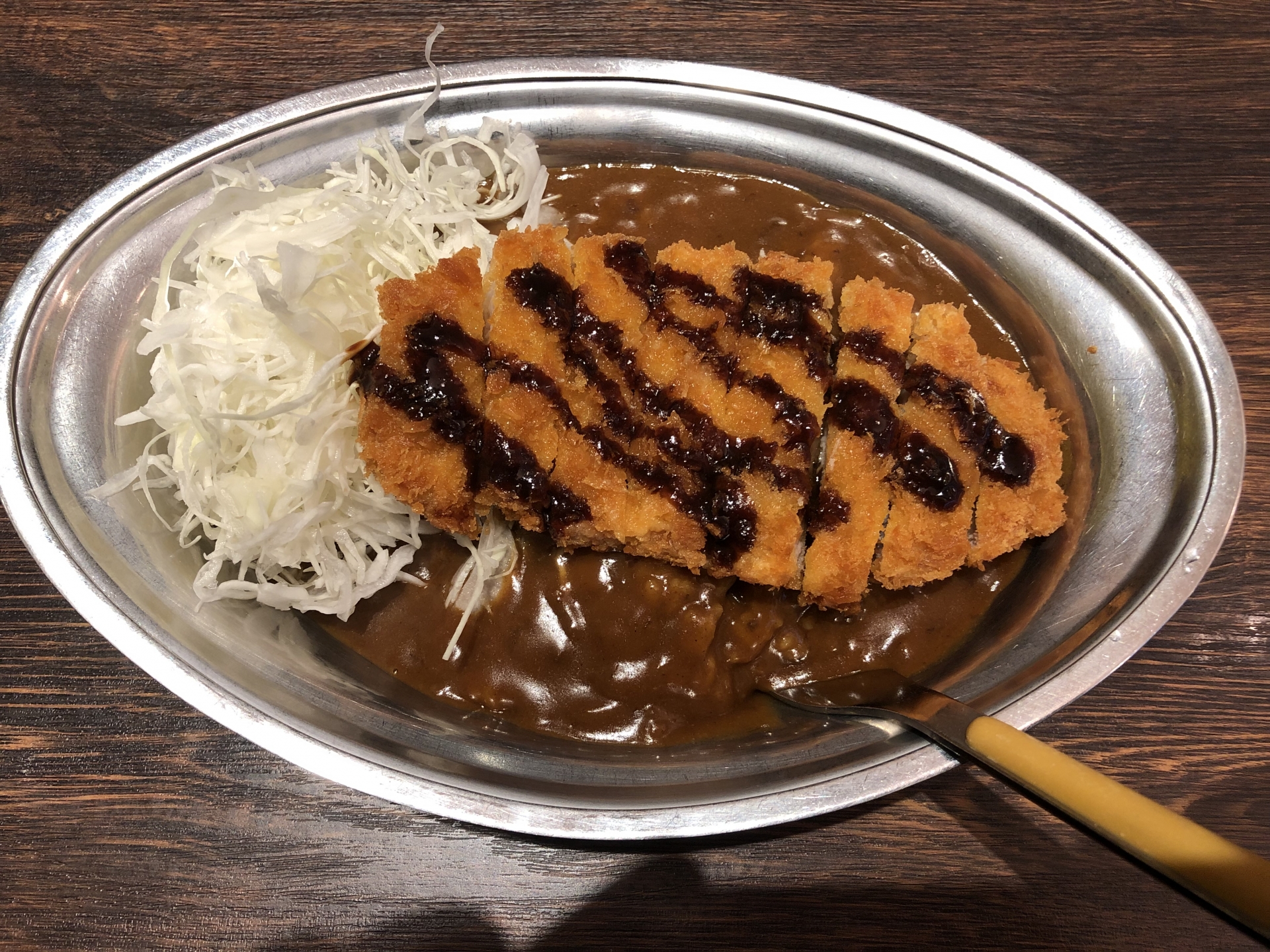
1. Encountering Curry
It is said that Japanese people first encountered curry during the late Edo period to the early Meiji period. Curry was not directly introduced from India but was brought to Japan via Britain in the form of curry powder.
The introduction of curry powder, which made it easy for anyone to prepare curry, allowed the dish to become part of Japanese cuisine.
At the same time, the lifting of the ban on meat consumption led to the rise of Western-style restaurants in Japan, and "rice curry" became a popular menu item. This further heightened the public’s interest in curry.
2. From Luxury to Common Food
Curry became widely accessible in 1905 when domestic production of curry powder began in Japan. Until then, imported curry powder from Britain made it an expensive meal. However, with local production, curry became an affordable dish.
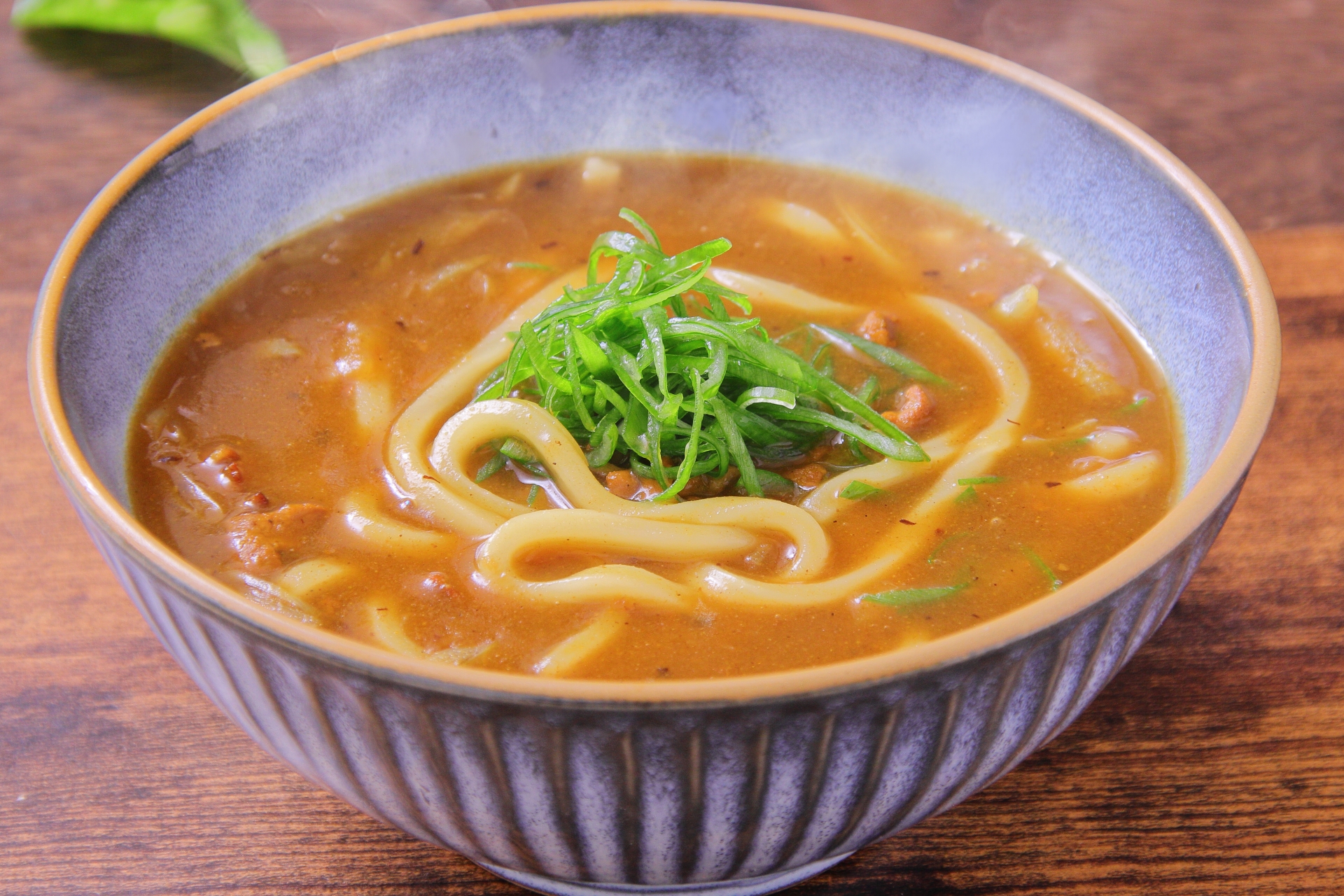
As curry gained popularity, Japanese restaurants began incorporating it into traditional dishes, leading to creations like dashi-flavored curry udon and curry nanban. These innovations blended traditional Japanese cuisine with curry.
Initially, curry powder was a simple blend of spices. When making curry, it was combined with sautéed flour, broth, meat, and vegetables. In the 1960s, pre-mixed solid curry roux appeared, simplifying the preparation process. By just boiling ingredients with water and adding the roux, curry became a household staple.
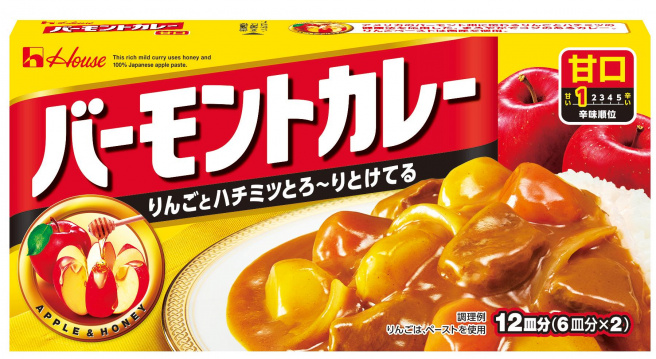
Around this time, House Foods launched "Vermont Curry," a mild curry with apples and honey. Previously, curry was considered a spicy dish for adults. Vermont Curry was created with the hope that both children and adults could enjoy it together. Despite initial skepticism—“Sweet curry will never sell”—the product became a massive hit thanks to promotional efforts like television commercials and in-store tasting events.
Following Vermont Curry, products like Java Curry and Golden Curry became household staples, securing curry's place as a beloved dish across generations and demographics in Japan.
Why Curry Became So Prevalent in Japanese Society
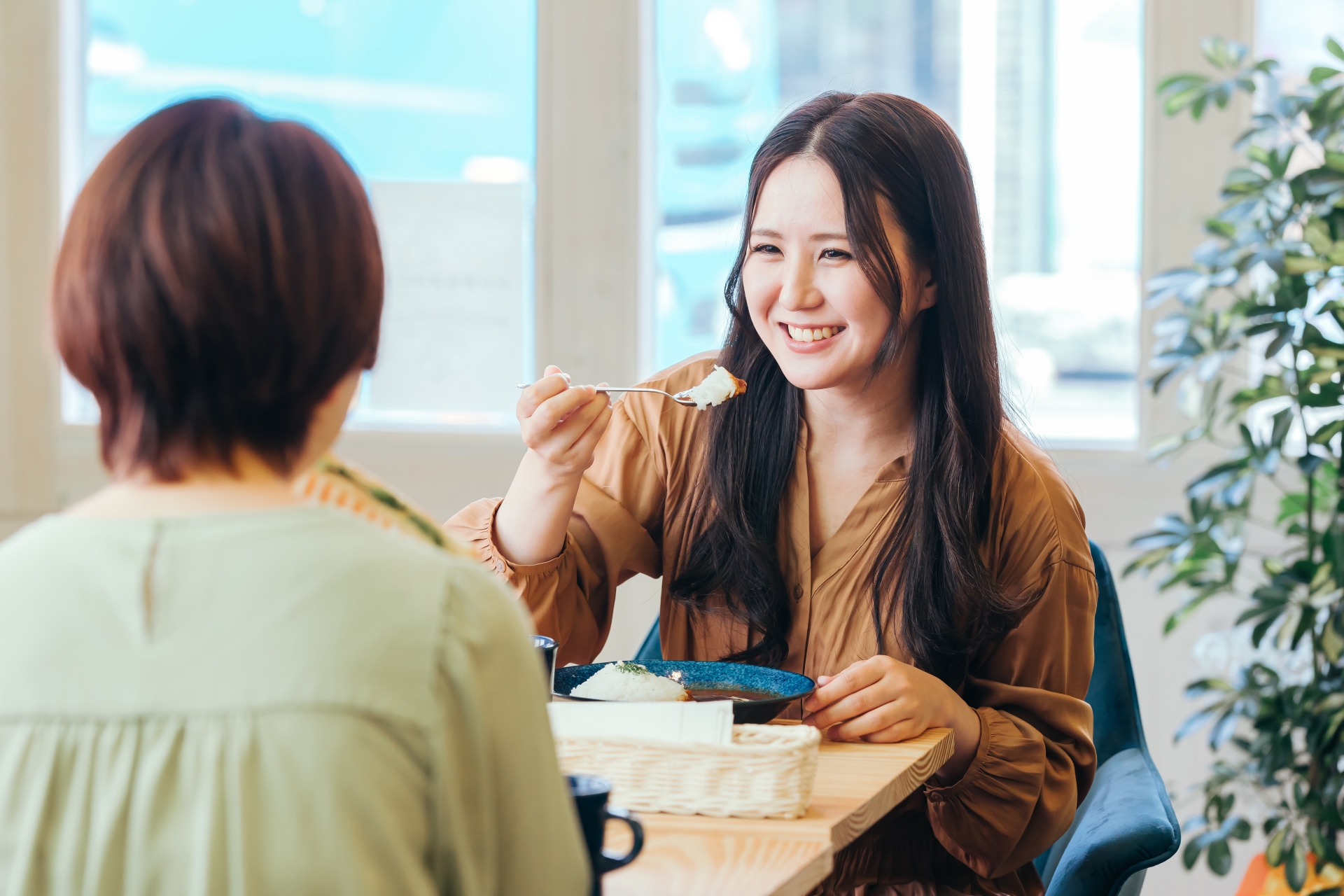
According to statistics published by the All Japan Curry Industry Cooperative and the Japan Canned Foods Association, Japanese people consume curry an average of 79.1 times a year, roughly once every 4–5 days. Why has curry become so entrenched in Japanese society? The reasons lie in cultural, historical, and practical factors:
1. Harmony with Japanese Food Culture
The compatibility of curry and rice is a notable point. Curry pairs exceptionally well with white rice, which is the staple food of the Japanese. Curry rice has become a familiar dish, both as a home-cooked meal and a menu item at restaurants, and it suits the Japanese palate.
Additionally, curry offers flexibility with ingredients, allowing for the use of readily available vegetables in Japan, such as potatoes, carrots, and onions, as well as familiar proteins like chicken, pork, and beef.
2. Ease of Preparation
With the use of curry roux and powder, curry is relatively simple to make. Particularly after the advent of solid curry roux in the 1960s, curry became even more accessible, making it a staple for busy modern households and cooking beginners alike.
3. Nutritional Balance
Curry is a balanced dish that includes meat, vegetables, and spices, making it a healthy and nutritious option. It has also been incorporated into school lunches, contributing to children’s growth and development.
4. Unique Japanese Adaptations
Japanese people excel at adapting foreign dishes to suit their culture and tastes. For curry, innovations include using dashi for added umami, combining curry with traditional Japanese dishes, and creating flavor variations like sweet, mild, and spicy options.
5. Historical Context
After World War II, Japan faced food shortages, but curry gained support as a convenient meal to replenish energy.
Additionally, shortly afterward, curry began being served in school lunches, giving many children the opportunity to become familiar with it from a young age.
This experience laid the foundation for curry to be recognized as a "nostalgic home-cooked taste."
Conclusion
The widespread acceptance of curry in Japanese society is not solely due to its delicious taste but also because of its ease of preparation, nutritional value, compatibility with local ingredients, and the unique ability of Japan to adapt and innovate.
Historical context and effective corporate marketing have also played significant roles. Together, these factors have made curry a special dish for the Japanese people, firmly establishing it as a cornerstone of modern Japanese food culture.
Additional Note
A common misconception about the history of Japanese curry is that it originated in the navy. However, Naofumi Takamori, a former Maritime Self-Defense Force officer and naval culinary researcher, states that the spread of curry in the navy paralleled its civilian popularity. He suggests that curry became part of navy meals in the early Showa era when it was already gaining traction among civilians, debunking the theory that Japanese curry originated in the navy.
Popular Curry Roux Available at WABI-SABI STORE
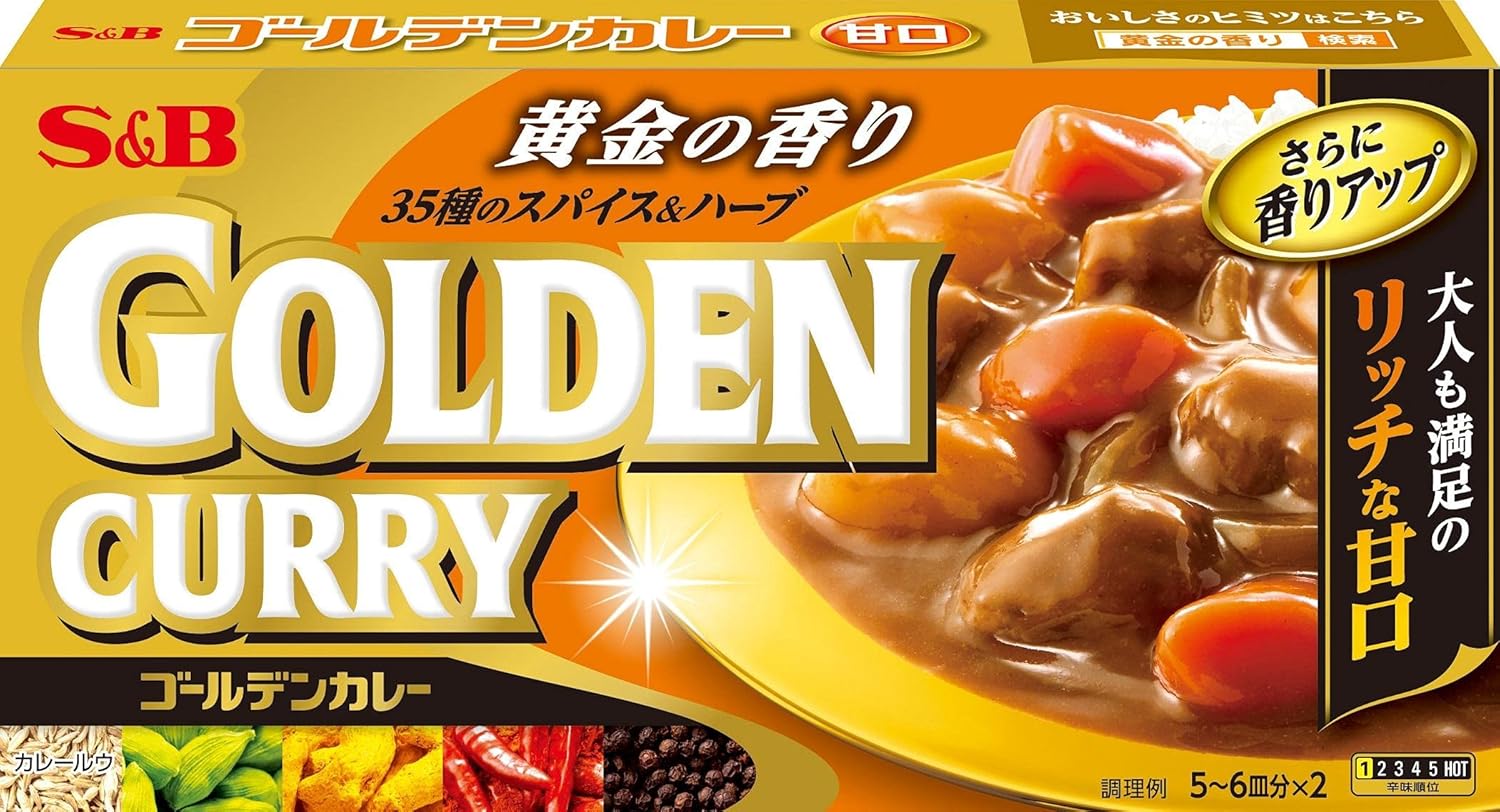
GOLDEN CURRY spice cubes mild 198g(11 servings total)
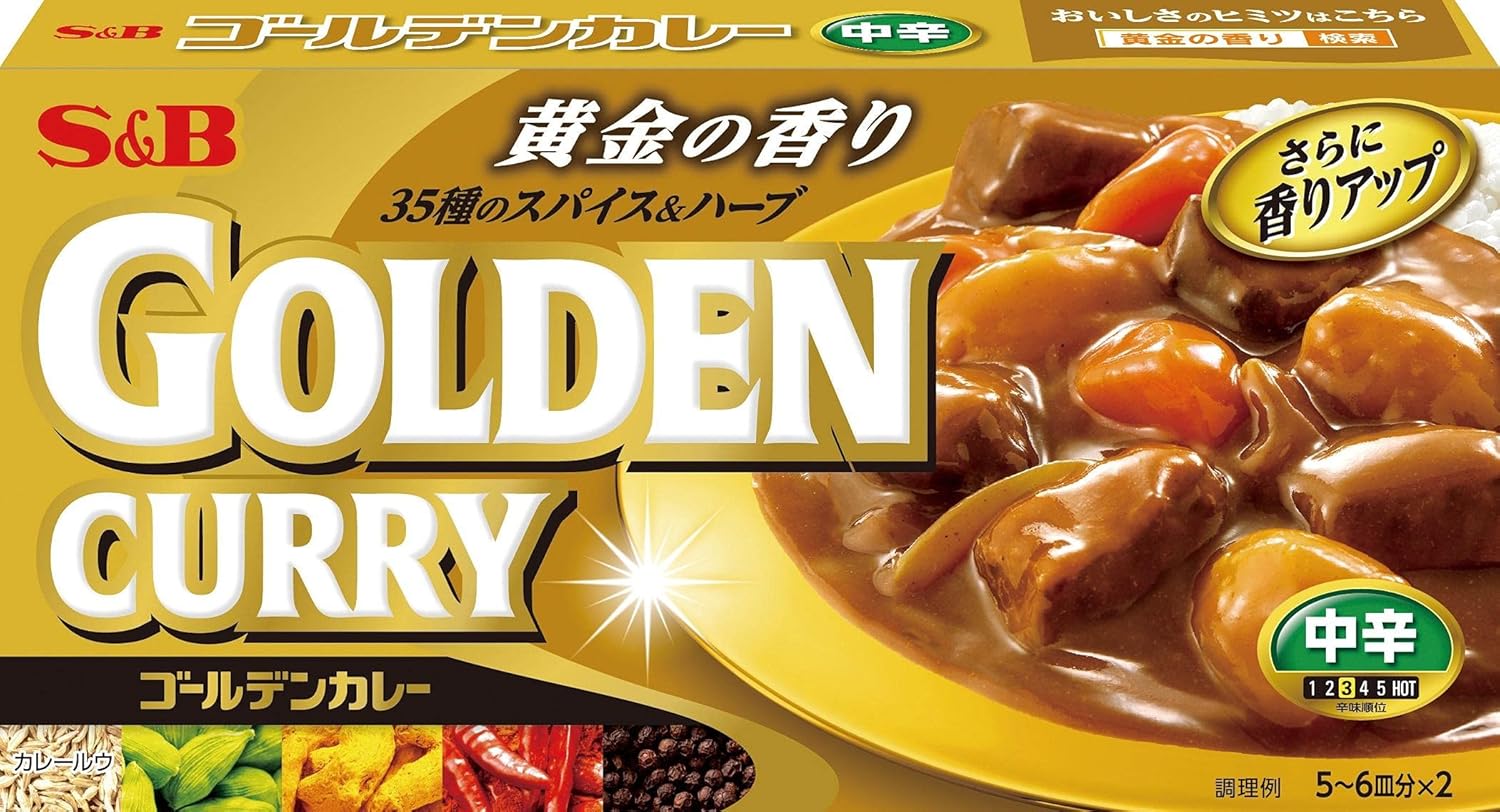
GOLDEN CURRY spice cubes Medium Hot 198g(11 servings total)
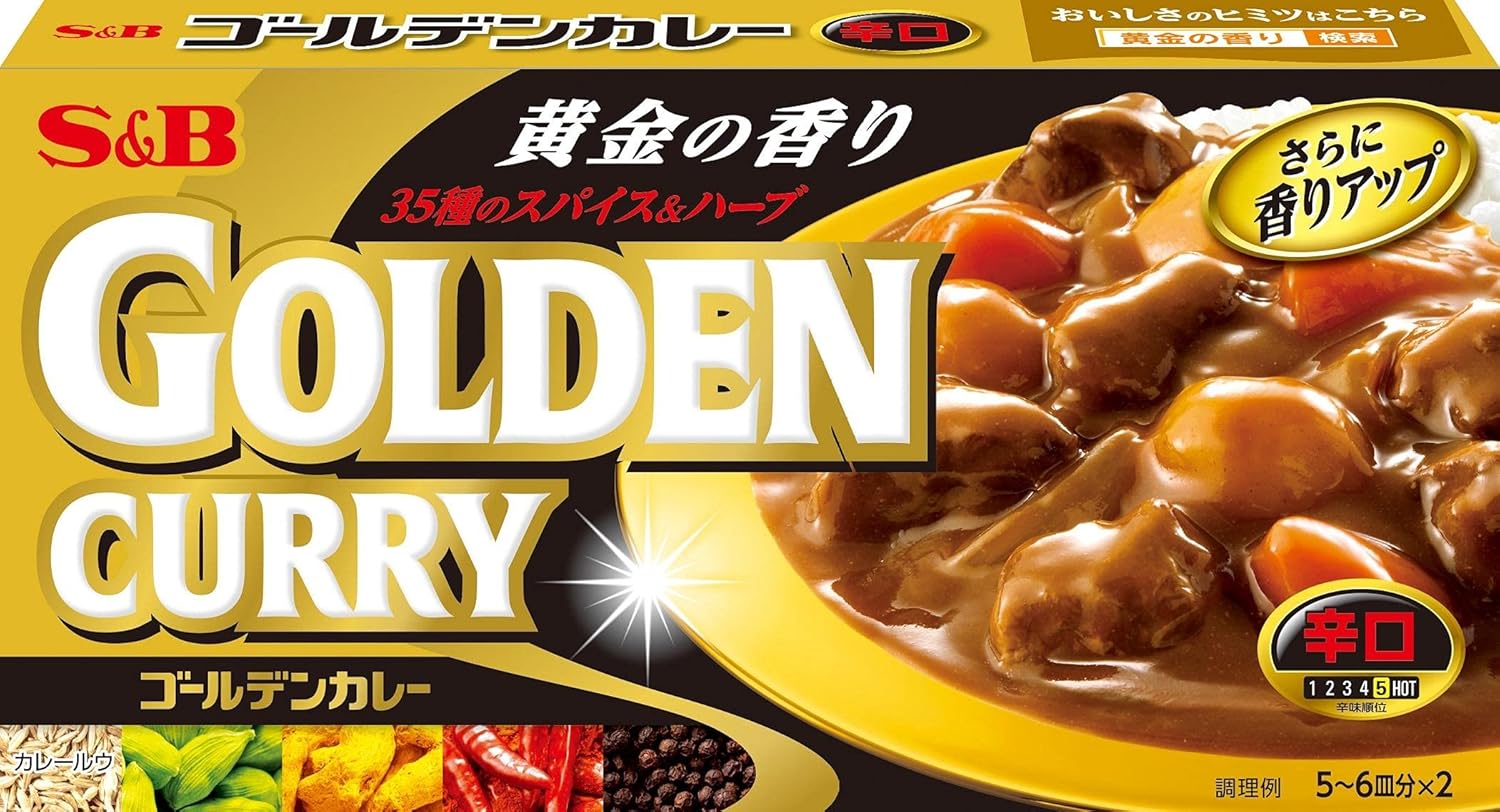
GOLDEN CURRY spice cubes Hot 198g(11 servings total)
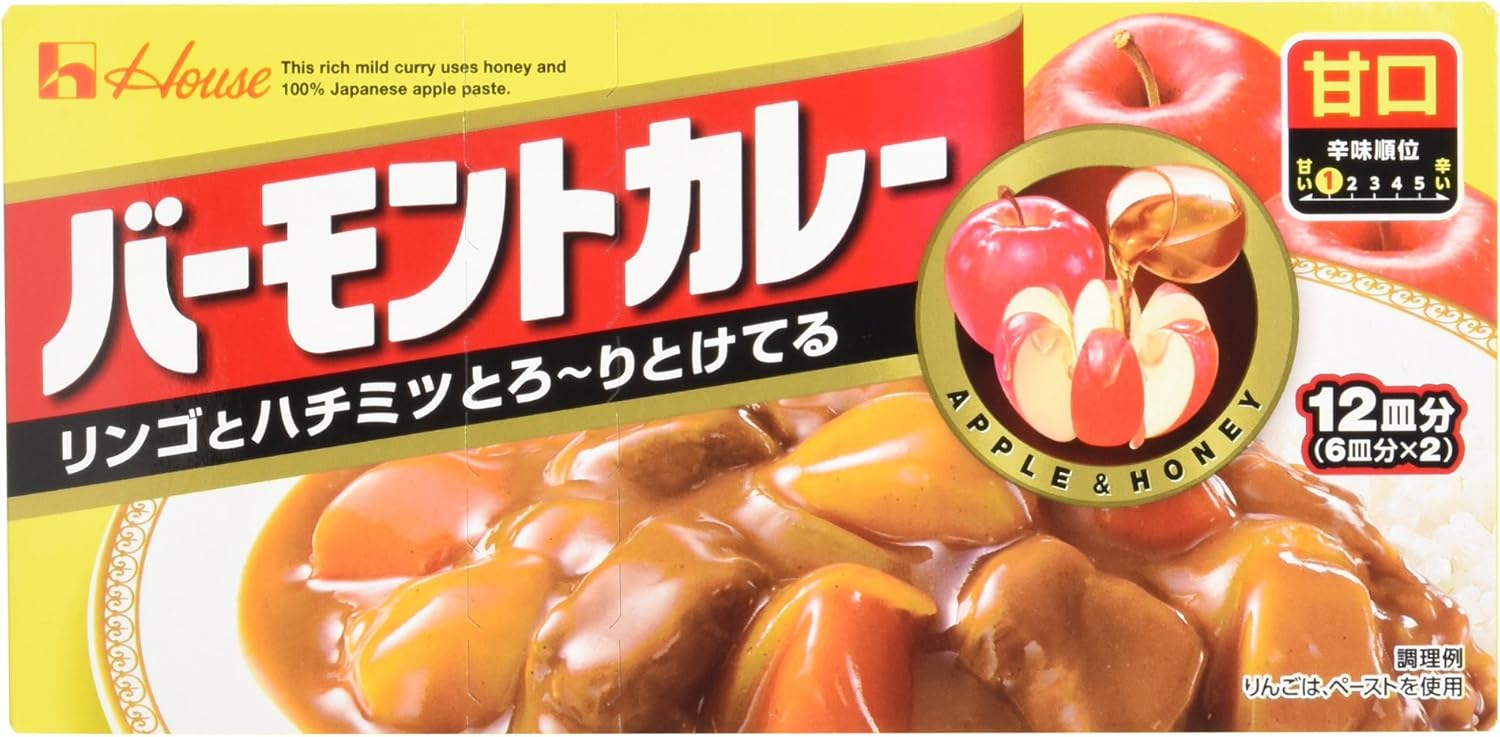
Vermont Curry – Mild 230g (12 servings total)
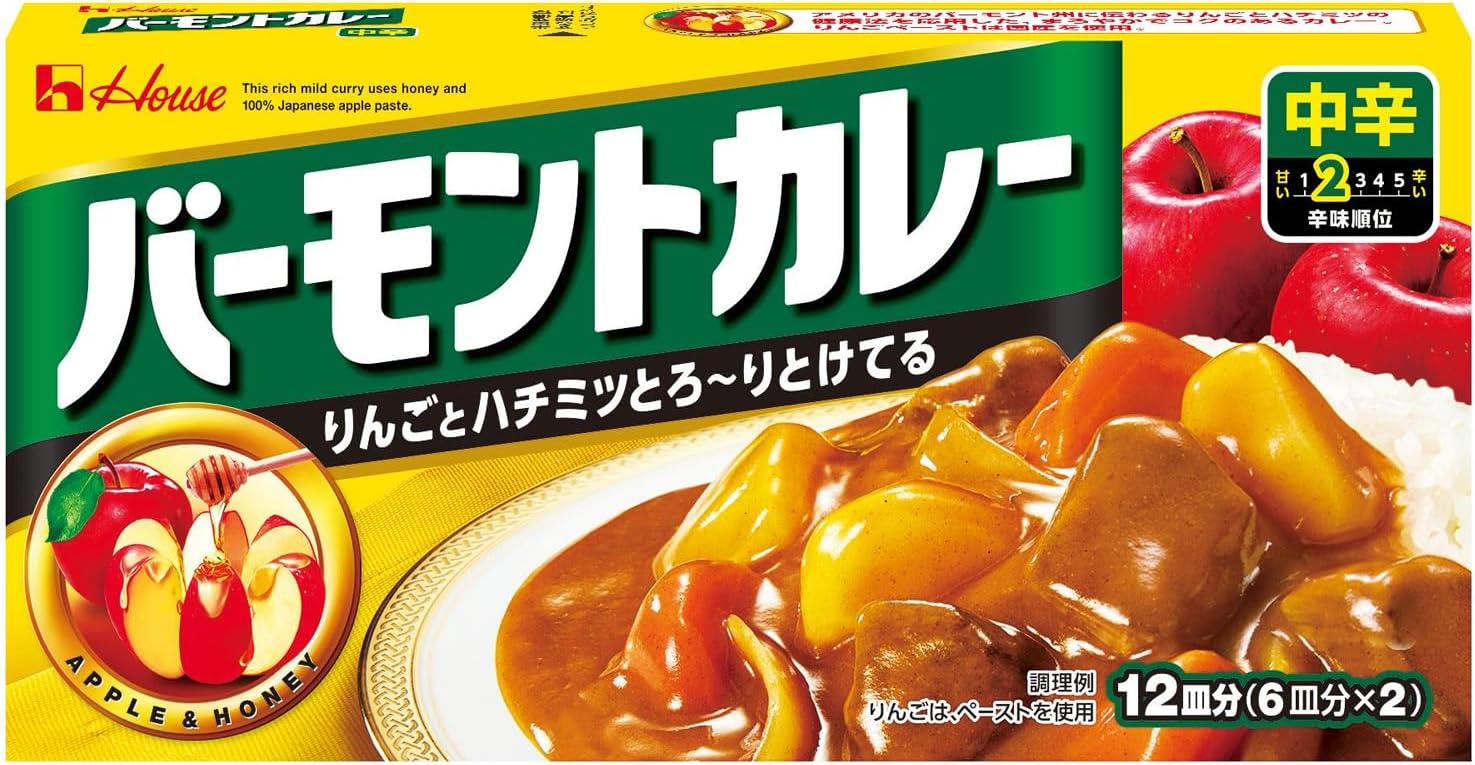
Vermont Curry – Medium Hot 230g (12 servings total)
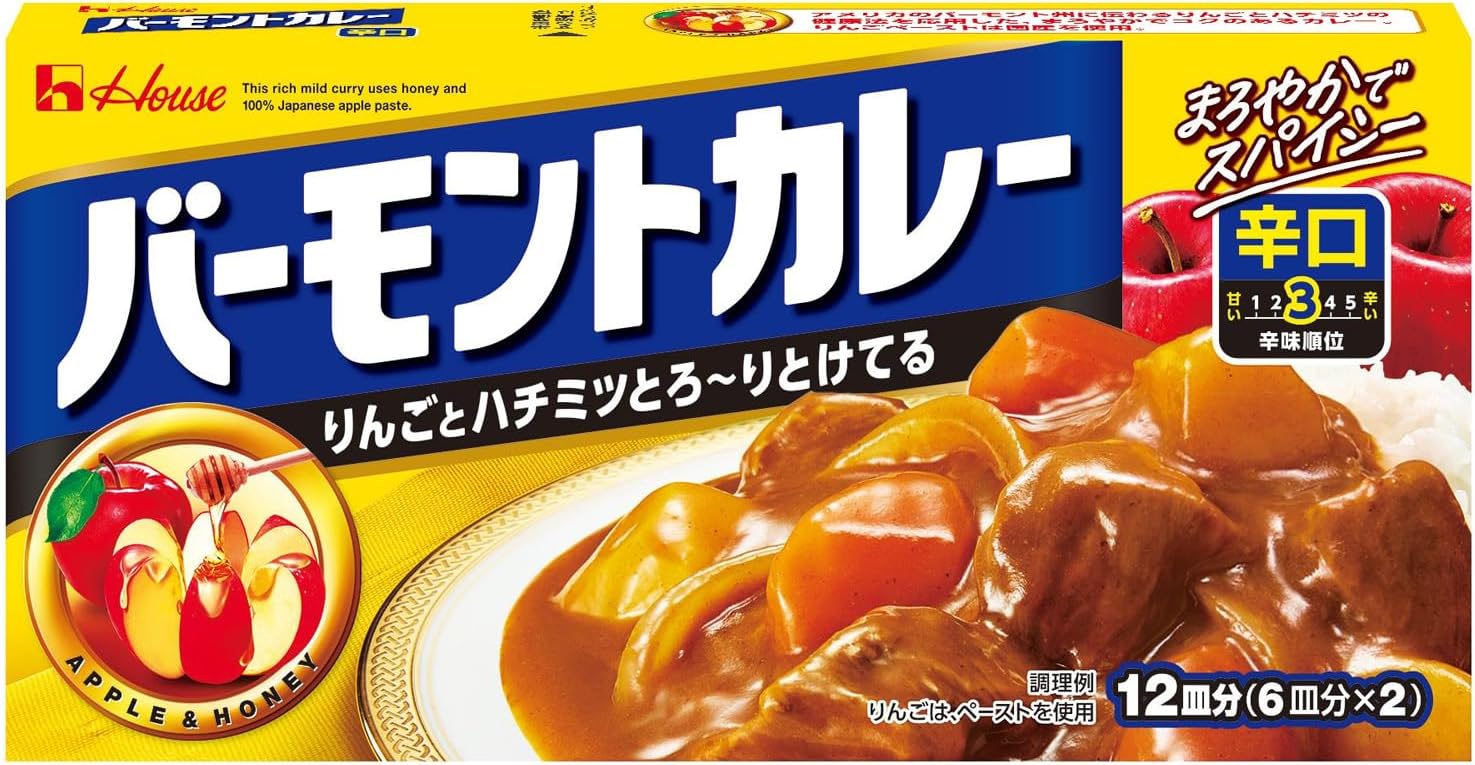
Vermont Curry – Hot 230g (12 servings total)
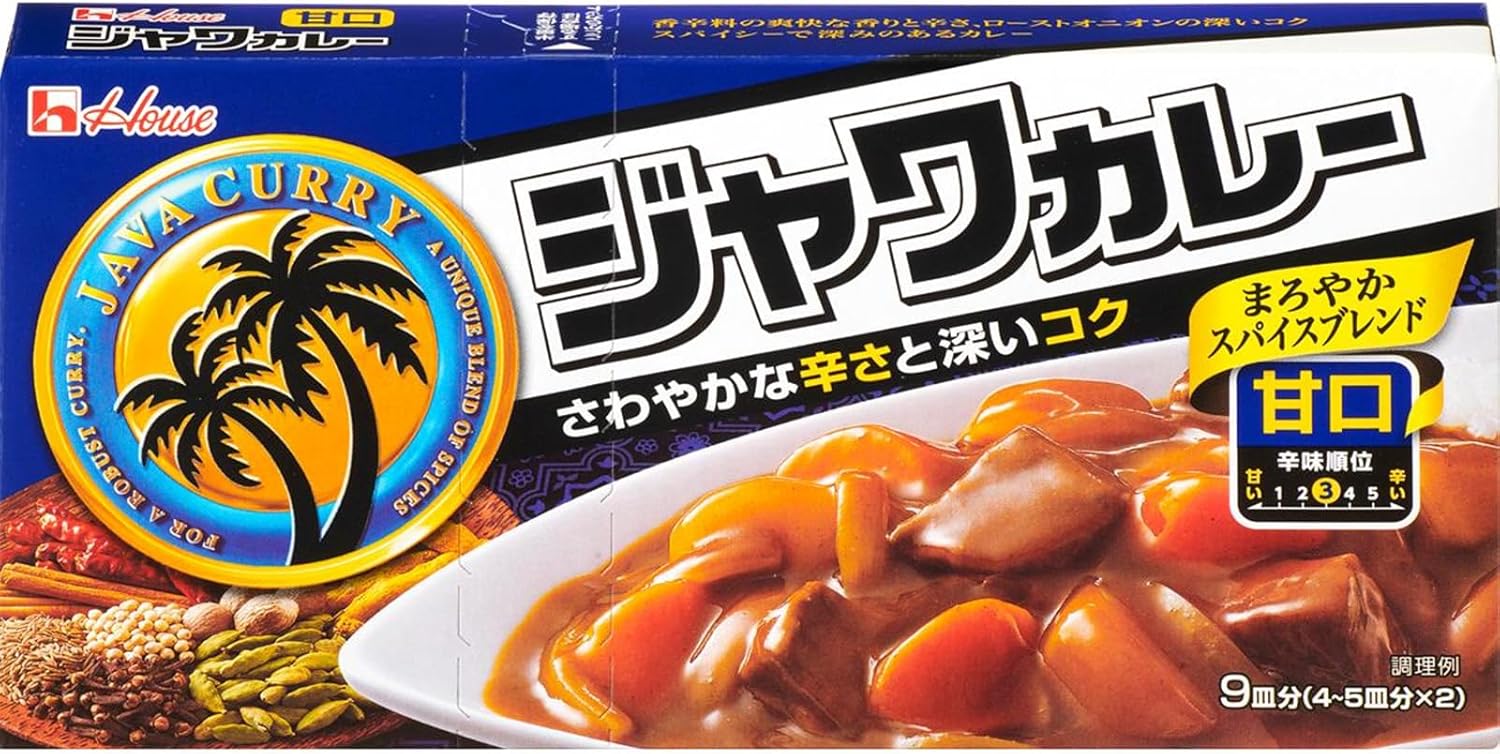
Java Curry – Mild 185g (9 servings total)
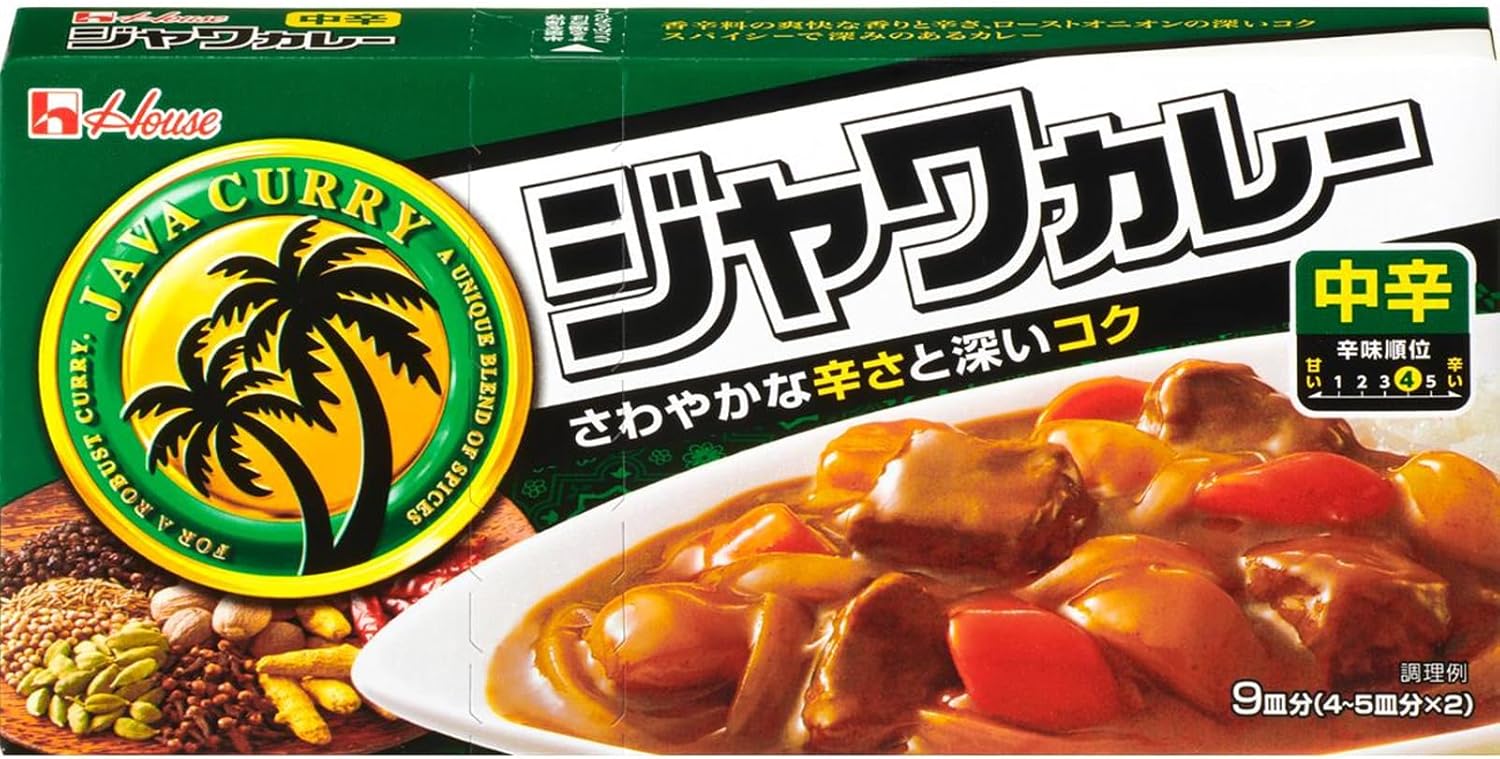
Java Curry – Medium Hot 185g (9 servings total)
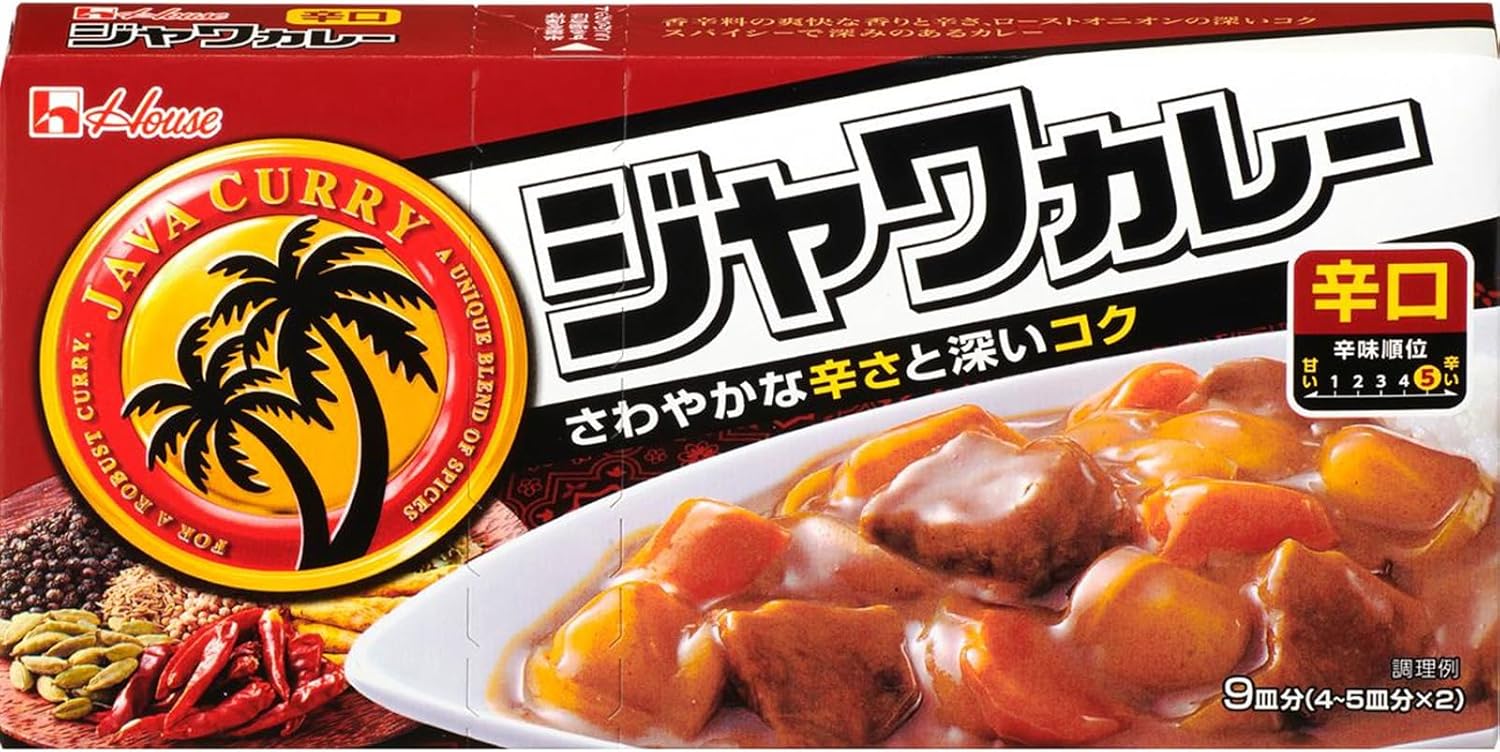
Java Curry – Hot 185g (9 servings total)


